Picture this: The sun beats down on cracked earth. A lone saguaro stands tall, arms raised like it’s waving hello to the endless blue sky. No sprinklers in sight. Just pure, quiet resilience. That’s the magic of desert life. Now, imagine bringing that vibe to your own yard.
Drought-tolerant native plants for desert climates do exactly that. These tough locals evolved right here in the harsh Southwest. They sip water sparingly. They handle scorching heat. And they turn barren spots into buzzing havens.
Let’s back that up with facts. The U.S. Bureau of Reclamation reports that landscapes in arid Southwest states guzzle about 70% of urban water use. Switch to natives, and you cut that by up to 50%, per a 2023 USDA study on water-wise gardening. Plus, a 2025 BMC Plant Biology paper highlights how species like Leptadenia shawii boost soil health and resist climate shifts in UAE deserts—lessons that apply straight to our Sonoran sands.
Ready to build a garden that fights back against dry spells? We’ll explore plants that work, tips that stick, and stories from real yards. Let’s dig in.
Why Choose Drought-Tolerant Native Plants for Desert Climates?
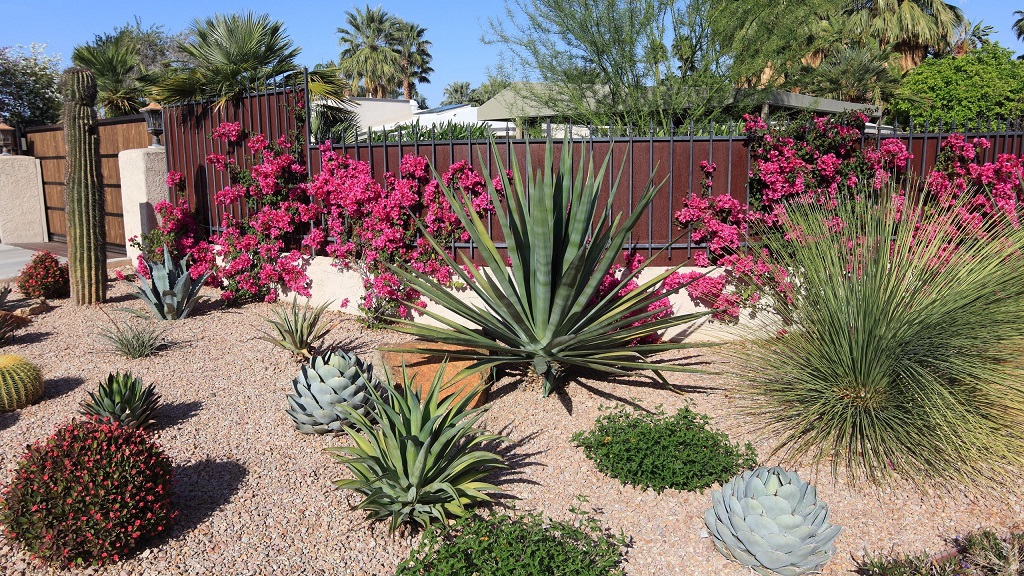
You step outside on a 110-degree afternoon. Your old lawn wilts like yesterday’s salad. But across town, a neighbor’s yard bursts with color—yellow blooms nodding in the breeze, no hose in sight. What’s their secret? Native plants built for this life.
These aren’t fancy imports. They’re homegrown heroes from the Chihuahuan or Mojave deserts. They know the drill: rare rains, relentless sun, sandy soils. Plant them, and watch your water bill drop. A 2022 Frontiers in Environmental Science study from Kuwait shows native desert species like Haloxylon salicornicum cut irrigation needs by 60% while feeding local wildlife.
But it’s more than savings. These plants knit ecosystems together. Bees buzz from flower to flower. Birds nest in thorny branches. And you? You get a yard that feels alive, not labored over. No more wrestling weeds or chasing pests. Just sit back with iced tea and let nature do the heavy lifting.
Think of Maria in Tucson. She swapped her thirsty grass for a patch of desert marigold and creosote bush. “My water use halved,” she says. “And now, quail families parade through every dawn.” Stories like hers prove it: Natives aren’t just survivors. They’re thrivers that pull you into the desert’s rhythm.
Benefits of Drought-Tolerant Native Plants in Arid Zones
Go beyond the basics. These plants pack a punch for your wallet, wildlife, and world. First, water conservation hits hard. In the Southwest, where aquifers drop 2 feet a year according to EPA data, natives like agave sip just 10-20% of what turf demands. That means more drops in the reservoir, less strain on pipes.
Ecosystem perks shine too. Deep roots from yucca species stabilize soil, cutting erosion by 40% in sloped yards, as noted in a 2024 NRCS report on Southwest grasses. Pollinators flock in—monarchs to milkweed, hummingbirds to penstemon. A 2023 Garden for Wildlife study found native gardens boost butterfly populations by 30%.
Your health wins as well. Low-maintenance means less mowing, fewer chemicals. Breathe easier amid cleaner air; these plants filter dust and trap carbon. And aesthetically? Layers of texture—from spiky cactus to feathery grasses—create depth that imported exotics can’t match.
Cost-wise, upfront savings add up. No fancy drip systems needed after year one. A USU Extension analysis pegs lifetime savings at $500 per 1,000 square feet. Plus, property values climb 5-7% in water-smart neighborhoods, per real estate trends.
Finally, climate resilience. As droughts stretch—think California’s 2020-2022 mega-drought—these plants stand firm. A 2025 OSU trial in Oregon showed ceanothus and manzanita shrug off zero irrigation post-establishment. Your yard becomes a beacon of adaptation.
Top Drought-Tolerant Native Plants for Desert Climates
Time to meet the stars. We’ll break them into categories: succulents and cacti, shrubs and trees, perennials and wildflowers, grasses and groundcovers. Each picks up where the last leaves off, building a full palette. We’ll include care notes, fun facts, and why they fit arid zones like the Southwest.
Succulents and Cacti: The Water Wizards
These heavy hitters store rain like camels. Perfect for rocky accents or focal points.
- Saguaro Cactus (Carnegiea gigantea): Icon of the Sonoran Desert. Grows 40 feet tall over decades. White spring blooms feed bats. Thrives in full sun, gravelly soil. Fun fact: Pleats expand with moisture, holding gallons. Plant near patios for dramatic shade.
- Prickly Pear (Opuntia spp.): Flat pads scream Southwest. Edible fruit for jams. Yellow flowers draw bees. Tolerates poor soil, freezes to 10°F. Spreads easily—great for erosion control. Tip: Gloves on for harvest; spines sting.
- Barrel Cactus (Ferocactus wislizeni): Golden spheres tilt south for sun. Fishhook spines deter nibblers. Strawberry-scented blooms in summer. Lives 50+ years. Ideal in pots or borders. Research from Desert Botanical Garden shows it survives on 5 inches of annual rain.
- Agave (Agave parryi): Blue-green rosettes roar “desert chic.” Sends up 20-foot flower spikes once, then pups new plants. Handles alkaline soils. A 2023 UCSF study praises its role in erosion-proofing slopes.
- Yucca (Yucca baccata): Banana-like fruits for Native dishes. Sword leaves filter wind. Creamy bells attract moths. Drought-proof roots tap deep aquifers. Plant in clusters for privacy screens.
Shrubs and Trees: Structure and Shade
Build bones with these. They frame views and cool patios without guzzling water.
- Creosote Bush (Larrea tridentata): Rain-scented survivor. Tiny yellow blooms year-round. Resins repel herbivores. Covers vast Mojave expanses. USDA notes it fixes nitrogen, enriching poor soils. Space 6 feet apart for hedges.
- Mesquite (Prosopis velutina): Feathery green canopy drops 20 feet. Pods feed livestock. Roots reach 100 feet for groundwater. Thornless varieties suit yards. A 2024 NRCS case in Arizona boosted forage by 25%.
- Palo Verde (Parkinsonia florida): Green bark photosynthesizes in drought. Lemon blooms cascade spring. Grows 30 feet fast. Tolerates floods too. Phoenix parks use it for urban cooling—shades 500 square feet.
- Desert Willow (Chilopsis linearis): Orchid-like pink trumpets hum with bees. Willow-like leaves sway. Deciduous for winter interest. Thrives in washes. Low water once rooted; add mulch for extra oomph.
- Texas Sage (Leucophyllum frutescens): Silver leaves pop purple post-rain. Compact to 8 feet. Fire-resistant. Attracts butterflies. OSU trials confirm zero summer water needs.
Perennials and Wildflowers: Color Bursts
Splash vibrancy without fuss. These bloom big, fade gracefully.
- Desert Marigold (Baileya multiradiata): Sunny yellow daisies wave 1 foot high. Self-seeds freely. Loves sandy beds. Blooms March to fall. ShrubHub lists it as top for scorching heat.
- Penstemon (Penstemon parryi): Tubular red flowers sip hummingbird nectar. Evergreen basal leaves. Zones 8-10. A 2023 ThriveLot report ties it to 20% pollinator upticks.
- Apache Plume (Fallugia paradoxa): Feathery pink plumes dance in wind. Drought-deciduous. Erosion fighter on slopes. Native to Chihuahuan. Plant with grasses for contrast.
- Chuparosa (Justicia californica): Scarlet tubes lure hummers. Shrubby to 6 feet. Mild winters fine. Frontiers study shows high heat tolerance in Kuwait analogs.
- Fairy Duster (Calliandra eriophylla): Pink powderpuff blooms. Nitrogen-fixer. Larval host for blues. Compact for borders. Blooms winter-spring.
Grasses and Groundcovers: Soft Layers
Fill gaps, tame dust. These weave understory magic.
- Muhly Grass (Muhlenbergia rigens): Pink fall plumes glow sunset. Deer grass kin. Clumps to 3 feet. NRCS praises erosion control in arid Southwest.
- Blue Grama (Bouteloua gracilis): Curly turf alternative. Tan seedheads summer. Thrives on 10 inches rain. USU Extension recommends for low-mow lawns.
- Beargrass (Nolina microcarpa): Grass-like yucca cousin. White spikes tower. Evergreen. Stabilizes banks. Lives centuries.
- Trailing Four O’Clock (Mirabilis linearis): Pink tubes trail 3 feet. Night bloomers for moths. Sandy soils only. Self-spreads gently.
- Desert Spoon (Dasylirion wheeleri): Spiky fans whirl. Slow to 4 feet. Architectural star. Tolerates -10°F.
Mix them up. A Tucson yard with saguaro anchors, mesquite shade, and muhly underplanting saved 40% water while drawing roadrunners.
How to Plant and Maintain Drought-Tolerant Native Plants
Planting feels like matchmaking. Match plant to spot, and harmony follows. Start in fall or spring—cool roots settle before heat hits.
Site Selection and Soil Prep
Assess your yard. Full sun? Go cactus. Partial shade? Try penstemon. Test soil: Sandy drains fast; add compost for hold. Alkaline pH rules deserts—aim 7-8. Dig holes twice root ball wide. Loosen clay with gypsum.
Pro tip: Group by water needs. High (newbies) near low (established). This zones irrigation smartly.
Planting Steps
- Water plants a day before. Keeps roots plump.
- Score circling roots. Promotes spread.
- Plant at soil line. No burying crowns.
- Backfill loosely. Tamp gently.
- Mulch 2 inches deep. Gravel or bark cuts evaporation 30%, per EPA.
Water deeply weekly first month. Taper to biweekly, then monthly. Drip lines target roots—overhead wastes 50%.
Maintenance Tips
Prune lightly. Remove dead bits post-bloom. Fertilize sparingly—organics in spring. Watch for borers in mesquite; neem oil nips them.
Pest patrol: Natives resist most. Encourage ladybugs for aphids. In droughts, a hose mist revives without drowning.
Winter wrap young ones in burlap if freezes loom. But most shrug off chills.
Case study: Las Vegas’ Springs Preserve swapped turf for natives. Water use plunged 75%. Maintenance crews halved. Visitors flock to the proof.
Design Ideas for Arid Zone Gardens
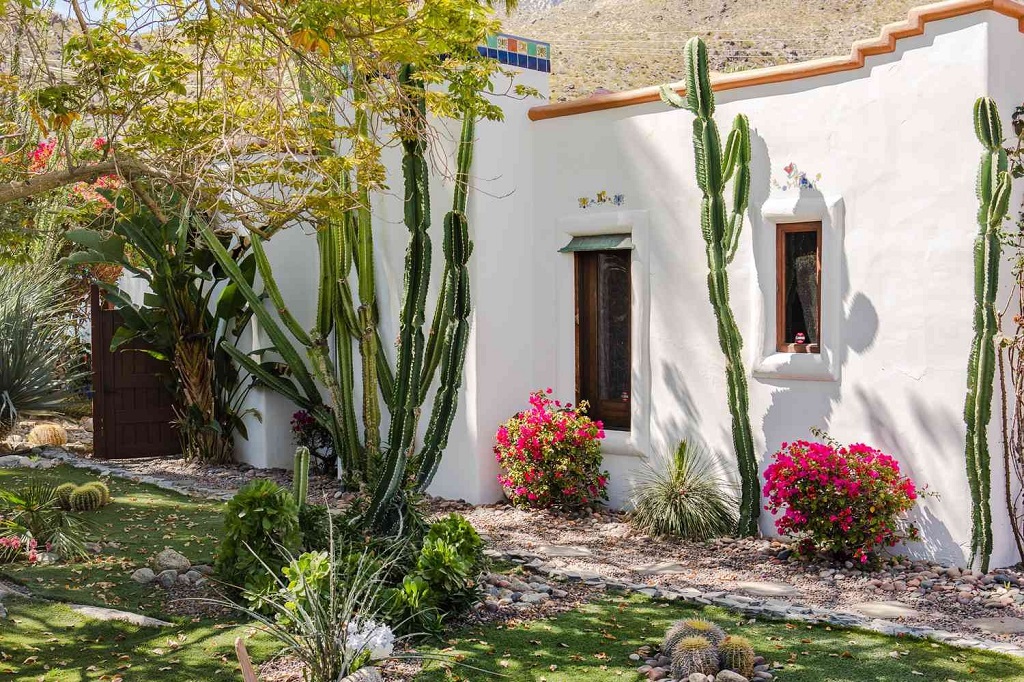
Dream big. Blend function with flair. Start with boulders as anchors—echo canyon vibes. Wind-sculpted paths invite strolls.
Layer heights: Trees overhead, shrubs mid, groundcovers below. Color code: Cool blues from agave against hot yellow marigold.
Wildlife nooks: Berry bushes for birds, milkweed patches for monarchs. A 2025 Wild Spirit study shows such designs hike biodiversity 40%.
Rock gardens pop. Nestle prickly pear amid pebbles. Succulent bowls on patios mix portability with punch.
Edible edges: Mesquite pods for flour, prickly pear tunas for salsa. Tie garden to kitchen.
For small spaces, vertical thrill. Train desert willow on trellises. Pocket gardens in walls hold fairy duster.
In Phoenix, a condo dweller stacked yucca tiers on stairs. “It’s my private oasis,” she beams. “Zero water fights.”
Scale to site. Big lot? Orchard of palo verde. Courtyard? Compact Texas sage.
Common Mistakes and How to Avoid Them
We all trip. Plant too deep? Roots rot. Solution: Eyeball soil line. Overwater? Fungi crash the party. Dial back after roots grip.
Ignore microclimates. North wall stays cooler—slot shade-lovers there. South faces bake—cacti rule.
Skip natives for “tropical” looks. They flop fast. Stick local for longevity.
Rush establishment. Patience pays. Year one: Water faithful. Year two: Test tapers. By three, they’re solo.
Forget mulch. Bare soil scorches. Layer on for cool roots.
Learned from a friend’s flop: He jammed saguaros in clay. They sulked. Amended with sand, and they soared.
Conclusion
We’ve wandered through spines and blooms, from saguaro sentinels to muhly whispers. Key takeaway? Drought-tolerant native plants for desert climates turn challenges into charm. They save water—up to 50% in your yard. They spark life, from buzzing bees to nesting quail. And they root you deeper into this wild land.
Pick three today. Maybe prickly pear for fruit, creosote for scent, penstemon for color. Sketch a corner. Grab gloves. Your resilient retreat awaits.
Start small. Plant one. Watch it claim its spot. Then share your story—what bloomed first? Tag us. Together, we green the desert, drop by drop.
Related Topics: Vermicompost DIY in Your Garden
FAQs
What are the best drought-tolerant native plants for beginners in desert climates?
Start with easy wins like prickly pear cactus or desert marigold. Both handle neglect, bloom reliably, and need zero fuss once rooted. Add mulch and watch them thrive.
How much water do native plants really save in arid Southwest yards?
Expect 40-60% cuts, per USDA data. Tepary beans and chia show even steeper drops in ag trials—down to 20% of traditional needs.
Can I mix drought-tolerant natives with edibles in my desert garden?
Absolutely. Pair mesquite trees with tepary beans. Pods and pods yield harvest while shading. Just zone water for young starts.
Do these plants attract wildlife to urban desert spots?
Yes—big time. Penstemon pulls hummers; yucca hosts moths. A ThriveLot study notes 30% more visitors in native plots.
How do I establish new native plants during a hot desert summer?
Avoid summer starts if possible. If must, shade cloth and daily deep soaks first two weeks. Fall planting sets stronger roots.
Related Topics: Seven Popular Gardening Apps
References
- BMC Plant Biology: https://bmcplantbiol.biomedcentral.com/articles/10.1186/s12870-025-07305-z
- Frontiers in Environmental Science: https://www.frontiersin.org/journals/environmental-science/articles/10.3389/fenvs.2022.785517/full
- USU Extension Water-Wise Plants: https://extension.usu.edu/cwel/water-wise-plants
- OSU Extension Drought-Tolerant Plants: https://extension.oregonstate.edu/gardening/flowers-shrubs-trees/drought-tolerant-landscape-plants-western-oregon-site-selection