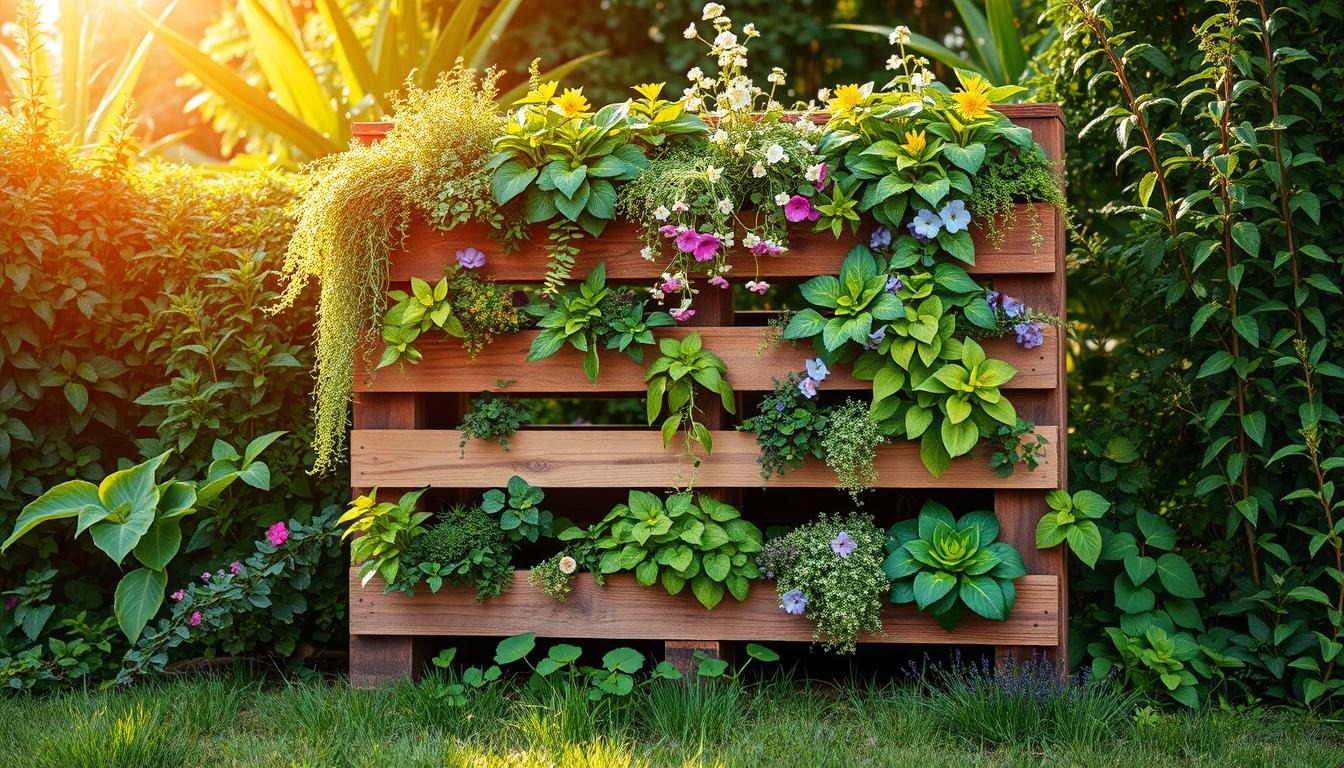
Picture this. You spot an old wooden pallet leaning against a fence in your neighborhood. It looks beat-up and forgotten. But in your mind, it bursts into life as a lush wall of green herbs swaying in the breeze. That spark? It hits many of us who crave a touch of nature but face tiny yards or bustling balconies.
Upcycled pallet vertical garden plans turn those discarded shipping platforms into smart, space-saving planters. You stack plants upward instead of outward. This method lets roots climb while you sip coffee nearby. Gardeners love it for its low fuss and high reward. You reuse wood that might otherwise rot in a landfill. Plants thrive in neat pockets. Fresh basil or colorful succulents appear right at eye level.
Recent data backs this up. The National Gardening Association reports that 43% of Americans grew some food at home in 2024, a 17-year high. Urban spaces drive this boom. Folks squeeze gardens into cracks of city life. Vertical setups fit perfectly. Another stat? Vertical farming uses up to 95% less water than traditional methods, per 2025 research trends. Governments push green living too. The U.S. Department of Agriculture highlights how such projects cut urban heat and clean air. You join a movement. Start small. Watch your corner bloom.
This guide walks you through everything. We cover why it works, how to build, what to plant, and tips to keep it thriving. Ready to upcycle? Grab that pallet. Your green adventure awaits.
Why Choose Upcycled Pallet Vertical Gardens?
You dream of a garden but stare at a blank wall. Vertical designs solve that puzzle. They lift plants off the ground. Roots dig into soil pockets. Leaves dance in sunlight. No more bending low to weed. Just pure, easy joy.
Upcycling pallets adds magic. These sturdy wood frames ship goods worldwide. Billions pile up yearly. You snag one free from stores or online listings. Turn waste into wonder. It’s eco-smart. Research from the World Permaculture Association shows reclaimed wood like pallets cuts new lumber needs by 30% in home projects. Less trees felled. More forests stand.
Benefits stack high. Vertical gardens fight city heat. A 2024 Green.org study notes they lower urban temperatures by 5-10 degrees Fahrenheit. Plants shade walls. They trap pollutants. Air freshens. Your lungs thank you.
Space wins big. In tight spots, like apartments, you grow pounds of produce. One pallet holds 20-30 herbs. No sprawl needed. Accessibility shines too. Elevated plants suit all ages. Wheelchair users reach greens without strain. Planet Natural’s 2024 review lists this as a top perk for inclusive gardening.
Cost? Minimal. Pallets cost nothing. Soil and plants? Under budget. You save on store-bought herbs. Fresh picks at your door.
Stories inspire. Take Sarah from Seattle. She transformed her balcony with a pallet herb wall. “It turned my concrete slab into a farm,” she shares in a 2025 Grit magazine feature. Bugs dropped. Views soared. Neighbors stopped by for tips and snips.
Drawbacks? Few. Wood weathers fast outdoors. Seal it right. Soil spills if not packed tight. We fix that later. Overall, joy outweighs effort. You create. grow. glow.
Benefits of Vertical Gardening with Pallets
Vertical setups shine in sustainability. Pallets, often heat-treated for safety, reuse without harm. Check for “HT” stamps. Avoid chemical marks like “MB.” Safe wood means healthy plants. No toxins leach into soil.
Water wisdom impresses. Traditional plots guzzle H2O. Vertical ones sip. Drip systems route moisture down. Roots catch every drop. That 95% savings? Real deal from hydroponics research. Your bill dips. Earth sighs relief.
Biodiversity blooms. Stack layers. Top for sun-lovers like basil. Bottom for shade fans like mint. Mix flowers and veggies. Pollinators flock. Bees buzz. Butterflies flutter. A 2024 Green Building Canada report ties this to 20% more local wildlife in urban yards.
Health perks abound. Gardening reduces stress. Harvard studies link it to lower cortisol. Vertical ease means more time tending, less ache. Harvest fresh. Eat clean. Immunity builds.
Aesthetic lift? Pallets add rustic charm. Stain them. Paint labels. Your wall becomes art. Case in point: New York’s High Line park. Elevated greens from recycled spots draw millions. Scaled down, your version charms too.
Economically? The vertical garden market hit $11.2 billion in 2024, per DataIntelo. Growth at 8.7% CAGR shows demand. You tap in free.
In short, pallets pair with vertical growth for win-win. Eco, easy, enchanting.
Selecting the Right Pallet
Hunt smart. Scout warehouses, farms, or Craigslist. “Free pallets” pops up daily. Ask permission. Score one intact.
Inspect close. Size matters. Standard 48×40 inches works best. Sturdy slats hold soil. No cracks or rot.
Treatment check crucial. Flip it over. “HT” means heat-treated. Safe for gardens. “MB” signals methyl bromide. Skip it. Toxins harm roots. Per Unaka Forest Products, 80% of pallets carry safe stamps.
Wood type? Hardwoods like oak last longer. Soft pines weather quicker. Both work. Feel weight. Heavy means solid.
Clean it. Hose off dirt. Scrub grime. Dry fully. Splinters snag skin. Sand rough spots.
Quantity? One starts simple. Multiples build walls. Store extras flat. Stack neat.
Pro tip: Local breweries discard clean ones. Call ahead. Your pallet quest ends happy.
Materials and Tools Needed
Gather basics. Keep it simple.
Core Materials:
- Wooden pallet (1, safe-treated)
- Landscape fabric or burlap (2 yards)
- Potting soil (4-6 cubic feet, lightweight mix)
- Staple gun with staples (1-inch)
- Wood screws (2-inch, pack of 50)
- Optional: Wood sealant or paint (eco-friendly)
Plants to Start:
- Herbs: Basil, mint, thyme (6-8 starters)
- Succulents or flowers: Sedum, petunias (10-12)
Tools:
- Hammer or pry bar (for tweaks)
- Drill with bits (for brackets)
- Measuring tape
- Utility knife
- Gloves and safety glasses
Hunt thrift stores for fabric scraps. Reuse old feed bags. Total haul? Light on wallet, heavy on green.
Scale up. For bigger builds, add brackets for hanging. Chain for mobility. Your kit evolves with dreams.
Step-by-Step Guide to Building Your Upcycled Pallet Vertical Garden
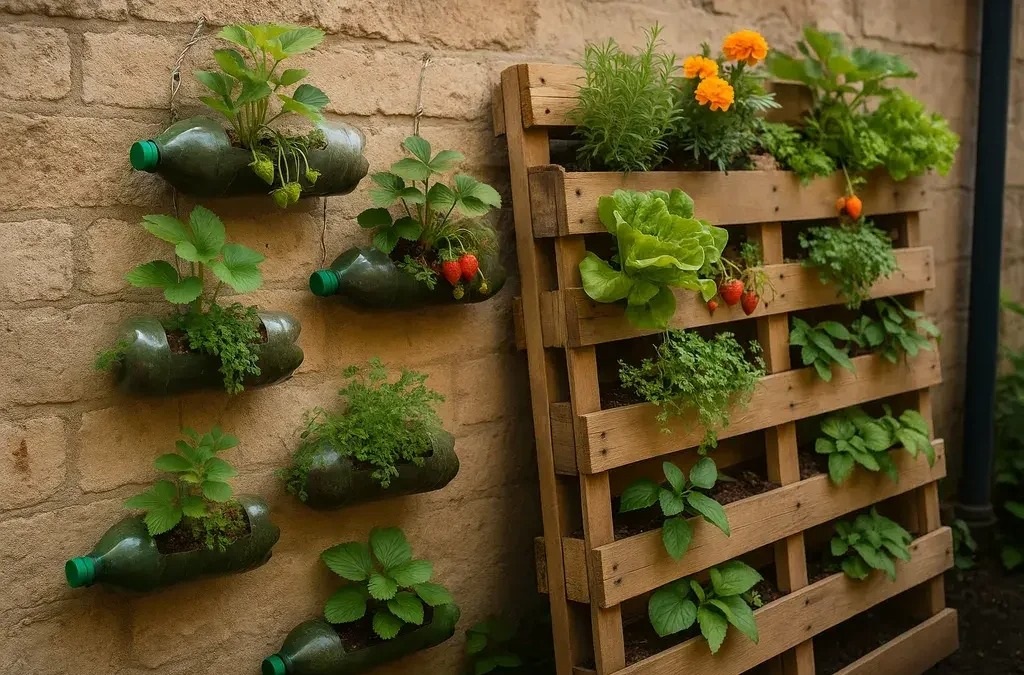
Dive in. This build takes one afternoon. Follow steps. Watch walls green.
Step 1: Prep the Pallet
Lay it flat, back up. Back means slat-less side. Hammer loose nails. Sand edges smooth. Gloves on. Splinters out.
Measure fabric. Cut to fit back and sides. Overlap slats by 2 inches. Keeps soil in.
Step 2: Attach the Fabric
Staple fabric tight. Start center. Work out. Every 3 inches. Double layer bottom for extra hold. Trim excess.
Flip pallet. Front faces you. Slats form pockets.
Step 3: Build Support if Needed
For freestanding, add legs. Cut 4×4 posts to 3 feet. Screw to corners. Level later.
Wall mount? Drill holes for brackets. Four per pallet. Secure to studs.
Step 4: Fill with Soil
Prop pallet at 45 degrees. Fill slats top to bottom. Pack firm. Leave 1-inch lip for water catch. Mix in compost for nutrients.
Water lightly. Let settle. Add more as gaps fill.
Step 5: Plant Your Greens
Start bottom. Poke holes in fabric. Slip in root balls. Firm soil around. Space 4-6 inches apart.
Top with trailers like ivy. They cascade pretty.
Lay flat 1-2 weeks. Roots grip. Then stand tall.
Step 6: Hang or Set Up
Lift with help. Lean against wall or screw in. Water from top. Drip feeds lower layers.
Done. Step back. Admire your handiwork.
Tweak as you go. First time? Small pallet. Learn fast.
Best Plants for Your Vertical Pallet Garden
Pick wisely. Vertical life suits light, shallow-rooted stars.
Herbs Thrive Here:
- Basil: Sun-kissed, pest-repelling. Snip for pesto.
- Mint: Shade-tolerant, spreads quick. Mojito ready.
- Thyme: Drought-hardy, aromatic. Pairs with lemon.
Flowers Add Pop:
- Petunias: Trailers in pinks and purples. Bee magnets.
- Lobelia: Compact blues. Fills gaps sweet.
Succulents for Low Water:
- Sedum: Fleshy leaves, easy care. Textures vary.
- Echeveria: Rosettes glow. Minimal fuss.
Veggies? Try lettuce or strawberries. Shallow roots fit. Rotate seasons. Summer herbs, winter greens.
Match light. South wall? Full sun picks. North? Shade lovers.
From Rebecca’s Bird Gardens, succulents in pallets lasted two years with basic water. Yours can too.
Maintenance Tips for Long-Lasting Success
Keep it simple. Weekly checks work wonders.
- Water Smart: Top down, mornings. Finger test soil dryness. Drip kits save time.
- Feed Right: Monthly organic fertilizer. Dilute half-strength.
- Prune Often: Pinch tops. Bushy growth follows.
- Pest Patrol: Neem spray for aphids. Ladybugs eat extras.
- Winter Prep: Move indoors or cover. Mulch roots.
Troubleshoot. Yellow leaves? Too wet. Lean plants? More sun.
Seasonal swap. Spring refresh soil. Fall harvest bounty.
Track progress. Journal notes. Your garden teaches.
Creative Variations and Ideas
Bored of basic? Twist it.
- Herb Ladder: Stack two pallets. Label tiers. Kitchen wall vibe.
- Flower Cascade: Trailing petunias. Rainbow effect.
- Veggie Tower: Strawberries tumble. Kids pick easy.
- Privacy Screen: Multi-pallets linked. Hide fences green.
- Mobile Cart: Wheels added. Patio wanderer.
Inspired by Off Grid World? Garden wall from joined pallets hides trash bins stylishly.
Paint slats. Stain natural. Lights weave in. Night glow.
Kids join? Their mini section. Ownership sparks love.
Case Studies: Real-World Wins
Real folks prove it. In 2025, Claire Douglas built a herb pallet for her UK yard. “Fresh rosemary at hand changed meals,” she blogs. Yield tripled. Space freed.
Texas A&M’s extension service featured a community build. 50 pallets. Neighborhood food wall. Harvest shared. Bonds grew.
Hearth and Vine’s 2025 post? Apartment dweller’s begonia burst. “Tiny balcony, big impact.”
Stats seal it. 2024 surveys show 60% of vertical gardeners report happier homes. You next?
Related Topics: Recycle Glass Without Harming the Environment
Conclusion
You started with a forgotten pallet. Now envision walls alive with greens. Upcycled pallet vertical garden plans deliver that. They save space, water, and wood. Plants flourish. You harvest pride.
Key takeaways? Source safe pallets. Build step by step. Plant smart. Maintain light. Variations keep fun.
Act now. Hunt a pallet this weekend. Build. Plant. Watch magic unfold. Share your story. Green living starts with you.
Related Topics: How Cardboard is Recycled
FAQs
What Materials Do I Need for Basic Upcycled Pallet Vertical Garden Plans?
Grab a safe pallet, landscape fabric, potting soil, staples, and plants. Tools? Staple gun, drill, gloves. Total time: Under two hours.
How Do I Know If a Pallet Is Safe for Gardening?
Look for “HT” stamps. Heat-treated means chemical-free. Skip “MB” marked ones. Clean and sand all.
Can I Grow Vegetables in a Pallet Vertical Garden?
Yes! Strawberries, lettuce, or kale fit shallow roots. Full sun spots yield best. Water consistently.
How Often Should I Water My Vertical Pallet Garden?
Daily in heat. Less in cool. Check soil moisture. Top-down pour keeps even.
What’s the Best Way to Mount a Pallet Garden on a Wall?
Use L-brackets screwed to studs. Level it. For renters, lean or chain hang.
References
- National Gardening Association 2024 Survey: https://www.realsimple.com/gardening-trends-2025-11679097
- Research Trends in Vertical Gardening: https://www.farminghydroponics.com/research-trends/
- 10 Benefits of Vertical Gardening: https://www.planetnatural.com/10-benefits-of-vertical-gardening/
- Vertical Gardening for Climate Change Mitigation: https://green.org/2024/01/30/vertical-gardening-for-climate-change-mitigation/