Apartment living comes with unique challenges when it comes to waste management. One area that often causes confusion is dry mixed recycling. Property managers and residents alike struggle to maintain effective recycling programs in multi-family buildings. However, with proper education and clear systems in place, apartment complexes can dramatically improve their recycling rates while reducing contamination.
This guide provides practical solutions for implementing and managing successful dry mixed recycling programs in apartment communities.
Understanding Dry Mixed Recycling
Dry mixed recycling refers to recyclable materials that are collected together in a single container. Unlike source-separated recycling, residents place paper, cardboard, plastics, metals, and glass into one bin. The materials are then sorted at a specialized facility called a Materials Recovery Facility (MRF).
The term “dry” distinguishes these materials from wet waste like food scraps or liquids. Additionally, it helps residents understand that items must be clean and dry before recycling. This simple distinction prevents contamination and keeps the entire recycling stream viable.
Most apartment complexes prefer this system because it simplifies the process for residents. Instead of managing multiple bins, people only need to remember what goes in recycling versus trash. Therefore, participation rates typically increase when communities switch to single-stream collection.
Common Materials Accepted in Dry Mixed Recycling
Knowing what belongs in recycling bins is essential for program success. Most facilities accept similar materials, though local regulations may vary.
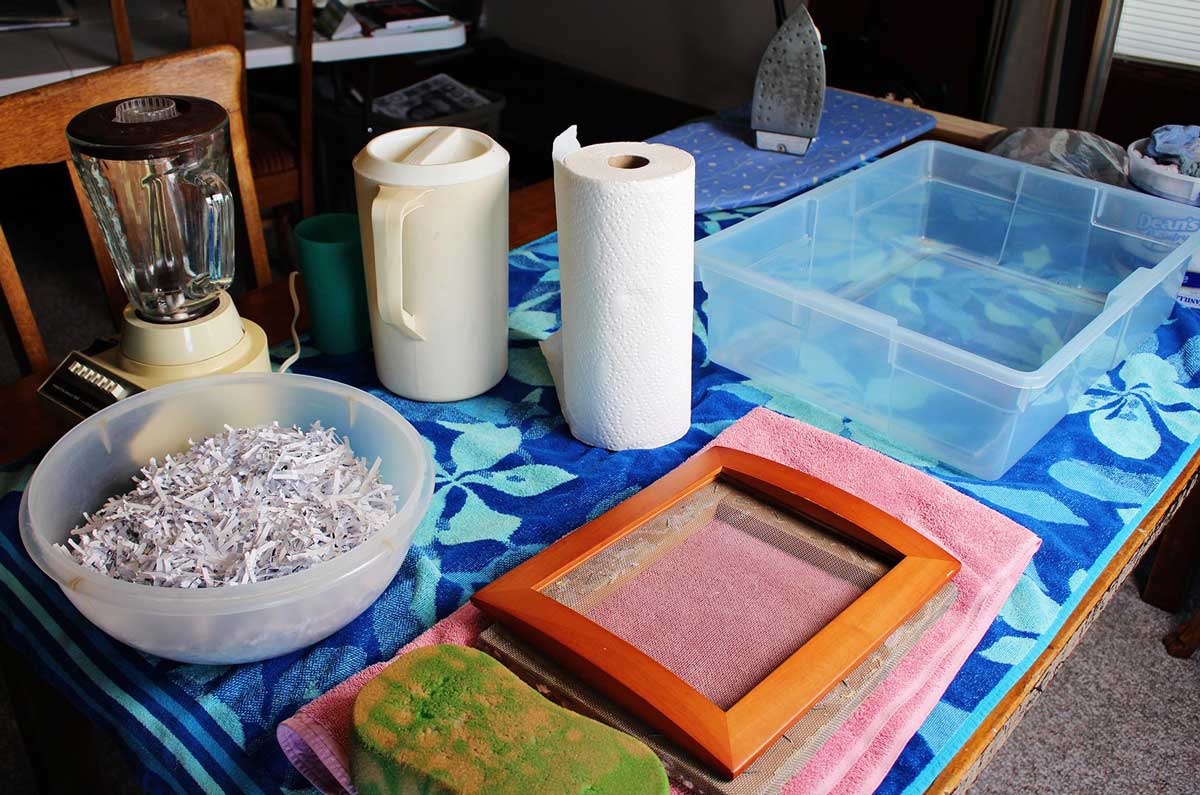
Paper products make up a significant portion of recyclables. Newspapers, magazines, office paper, and mail are all acceptable. However, shredded paper often causes problems at sorting facilities, so check local guidelines first.
Cardboard and paperboard containers are highly recyclable. Flatten boxes to save space in collection bins. Pizza boxes without excessive grease can usually go in recycling as well.
Plastic containers marked with recycling symbols 1 through 7 are generally accepted. This includes water bottles, detergent containers, and food packaging. Nevertheless, plastic bags should never go in recycling bins because they jam sorting equipment.
Metal cans from beverages and food are valuable recyclables. Aluminum and steel both have high recycling rates. Rinse containers before recycling to prevent odors and contamination.
Glass bottles and jars are infinitely recyclable. Clear, green, and brown glass all have value. Remove lids and rinse containers before placing them in bins.
According to the Environmental Protection Agency, proper recycling practices significantly reduce greenhouse gas emissions and conserve natural resources.
Items That Do Not Belong in Recycling Bins
Contamination is the biggest threat to recycling programs. When non-recyclable items enter the stream, they can ruin entire loads of otherwise good material.
Plastic bags and film are major contaminants. These items wrap around sorting machinery and cause expensive shutdowns. Take plastic bags to designated drop-off locations at grocery stores instead.
Food waste has no place in recycling bins. Even small amounts of food residue can contaminate paper and cardboard. Therefore, always rinse containers before recycling them.
Hazardous materials require special handling. Batteries, electronics, light bulbs, and chemicals belong in designated collection programs. Many municipalities offer household hazardous waste collection events throughout the year.
Styrofoam and foam packaging cannot be processed at most recycling facilities. These materials should go in the trash unless your area has a specialty program.
Textiles and clothing do not belong in recycling bins either. Donate usable items to charity or find textile recycling programs in your community.
Creating an Effective Education Program for Residents
Education is the foundation of successful apartment recycling programs. Property managers must provide clear, consistent information to all residents.
Start with welcome packets for new residents. Include simple, visual guides showing what can and cannot be recycled. Use photos rather than just text to overcome language barriers.
Post clear signage at all collection points. Use color-coded bins with pictures of acceptable materials. Additionally, include examples of common contaminants with large red X marks over them.
Send regular reminders through multiple channels. Email newsletters, text messages, and notices in common areas all reinforce good practices. However, avoid overwhelming residents with too much information at once.
Host educational events or workshops periodically. Invite representatives from your waste hauler or local recycling facility to speak. People often engage better when they understand where their recyclables actually go.
Create a recycling champion program within your community. Recruit engaged residents to help educate their neighbors and monitor bin areas. These volunteers can provide valuable feedback about problem areas.
Designing Accessible Recycling Infrastructure
Physical infrastructure plays a crucial role in program success. Poorly designed collection areas discourage participation and increase contamination.
Place recycling bins in convenient, high-traffic locations. The easier it is to recycle, the more likely residents will participate. Therefore, position bins near trash collection points so residents encounter both options simultaneously.
Ensure adequate capacity for your community’s needs. Overflowing bins create messes and encourage improper disposal. Monitor usage patterns and adjust bin sizes or collection frequency accordingly.
Provide adequate lighting around collection areas. Well-lit spaces feel safer and help residents see what they are doing, especially during evening hours.
Keep collection areas clean and well-maintained. Dirty, unpleasant recycling areas send the message that proper waste management does not matter. Regular cleaning and prompt repairs maintain resident engagement.
Consider implementing centralized collection points rather than individual unit bins. This approach makes it easier to monitor compliance and maintain quality. However, balance convenience with accessibility for all residents.
According to National Apartment Association research, well-designed recycling programs can significantly reduce waste hauling costs for apartment communities while improving resident satisfaction.

Monitoring and Improving Program Performance
Regular monitoring helps identify problems before they become serious. Property managers should track both participation rates and contamination levels.
Conduct periodic bin checks to assess what residents are actually recycling. Look for patterns in contamination and address them through targeted education. For example, if you consistently find plastic bags, create specific communications about this issue.
Track overall recycling volumes and diversion rates. Many waste haulers provide this data in monthly reports. Use these metrics to measure progress and identify trends over time.
Gather resident feedback through surveys or informal conversations. Ask what confuses them about recycling and what would make participation easier. This input helps refine your program based on actual user experiences.
Address violations promptly but constructively. When you identify problems, use them as teaching opportunities rather than punitive measures. Leave friendly reminder notes or offer one-on-one assistance.
Celebrate successes with your community. Share positive statistics and recognize improvements in newsletters or community meetings. Additionally, this reinforces the value of resident participation and encourages continued engagement.
Overcoming Common Challenges
Even well-designed programs face obstacles. Understanding common challenges helps property managers develop proactive solutions.
High resident turnover creates ongoing education needs. Develop streamlined onboarding processes that consistently deliver recycling information to new residents. Automated welcome emails or digital resources can help maintain consistency.
Language barriers affect communication in diverse communities. Create multilingual signage and educational materials. Visual guides with minimal text work well across language groups.
Limited space constraints many apartment complexes. Work with your waste hauler to find creative solutions like compactors or more frequent pickups. Vertical bin arrangements can also maximize limited footprints.
Resident apathy or resistance requires patient, persistent education. Some people simply do not prioritize recycling. Focus on making it as easy as possible while continuing to provide information and encouragement.
Conclusion
Implementing successful dry mixed recycling in apartment complexes requires clear education, accessible infrastructure, and ongoing management. By helping residents understand what materials belong in recycling bins and what does not, property managers can significantly reduce contamination rates. Strategic placement of well-marked bins makes participation convenient and increases engagement. Regular monitoring and responsive improvements ensure programs remain effective over time.
The environmental and financial benefits of robust recycling programs extend to entire communities. With commitment and consistent effort, any apartment complex can transform its approach to waste management and create a culture of sustainability among residents.
Frequently Asked Questions
What happens if I accidentally put the wrong item in recycling?
Occasional mistakes are normal and usually manageable. However, consistently contaminating recycling bins can result in entire loads being sent to landfills. When in doubt, throw it out or check with your property manager for guidance on questionable items.
Can I recycle pizza boxes if they have grease on them?
Light grease stains are generally acceptable, but heavily soiled boxes should go in the trash. You can tear off clean portions of the box for recycling and discard the greasy parts. This prevents contamination while still recycling usable material.
Why can’t plastic bags go in recycling bins?
Plastic bags tangle in sorting machinery at recycling facilities, causing expensive breakdowns and delays. Most grocery stores have dedicated collection bins for plastic bags and film. These materials are then sent to specialized processors that can handle them properly.
Do I need to remove labels from bottles and cans before recycling?
No, you do not need to remove labels. Modern sorting facilities can handle containers with labels attached. However, you should rinse containers to remove food or liquid residue and remove caps from bottles in most programs.
What should I do with old electronics and batteries?
Electronics and batteries require special handling and should never go in regular recycling bins. Contact your property manager about e-waste collection events or find local drop-off locations. Many retailers also offer free recycling for electronics and batteries.
Related Topics:
How Cardboard is Recycled: A Process Overview