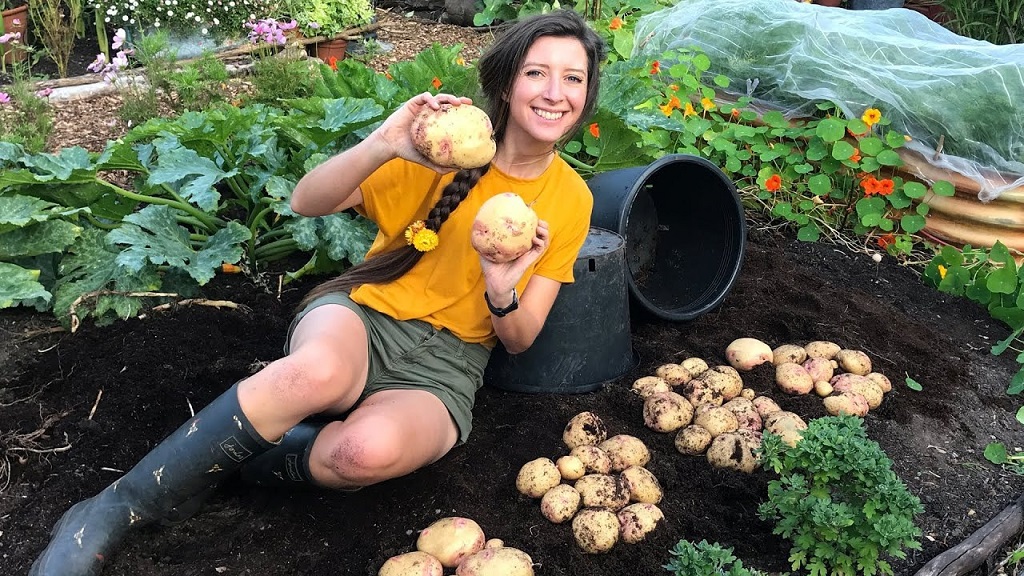
Imagine digging your hands into cool soil. You pull out a handful of fresh, earthy potatoes. Their skins still damp from the ground. That first bite—crisp, creamy, full of flavor—beats any store-bought spud. I remember my first try years ago on a tiny balcony. No yard in sight. Just a sturdy sack and some seed tubers. Those potatoes changed summer meals forever. They turned simple salads into feasts.
Growing potatoes in a sack or container opens doors for anyone. City dwellers squeeze them onto patios. Families with kids turn it into fun lessons. Even seasoned growers save space this way. You skip tilling big plots. Control soil and pests with ease. Harvest without backaches.
This method shines in tight spots. Recent stats show why it matters. The National Gardening Association reports 35% of U.S. families now grow food at home—a 200% jump since 2008. Among them, potatoes rank high at 8.5% of home veggie choices. That’s millions digging into self-grown spuds. The USDA backs this trend. Their guides note container setups yield well in small areas. Up to 15 pounds per bag possible.
Why potatoes? They pack nutrition. One medium tuber delivers vitamin C, potassium, and fiber. Low calorie yet filling. In 2023, global production hit 383 million metric tons, per FAOSTAT. Yet home growers add fresh twists. Varieties like fingerlings thrive in bags. Yields rise with smart care.
Ready to start? This guide walks you through. From picking tubers to storing bounty. Expect practical tips. Real stories. Latest insights. By the end, you’ll plant with confidence. Let’s unearth your green thumb.
Why Choose Growing Potatoes in Bags or Containers?
Space crunch hits many. Apartments lack yards. Balconies face wind. Yet potatoes demand room underground. Traditional rows eat plots. Bags and pots fix that. They lift plants off ground. You move them easy. Dodge poor soil issues.
Think flexibility. Place sacks in sun. Shift for shade in heat. Recent studies highlight perks. University of New Hampshire Extension says containers warm soil faster. Plant a week early. Yields match ground crops if you hill right.
Pest control wins big. Voles skip raised setups. Slugs struggle to climb fabric bags. Water drains quick. No rot from soggy roots. Plus, fun harvest. Tip a bag. Watch tubers tumble out. Kids love the treasure hunt.
Cost? Low. Reuse coffee sacks. Buy grow bags once. They last seasons. Environmentally smart too. Less tillage cuts erosion. Home plots reduce food miles. That lowers carbon. One study from Montana State University ties potatoes to early American self-reliance. Today, it builds the same.
Drawbacks exist. Water more often. Soil dries fast. Heat stresses pots above 80°F. Florida growers note this. But shade cloth helps. Overall, benefits outweigh hassles. Perfect for beginners. Or busy folks wanting fresh eats.
Take Sarah’s story. Urban mom in Chicago. Balcony only space. She filled three 10-gallon bags last spring. Harvested 20 pounds by July. “Mashed potatoes from my view? Game changer,” she says. Stats agree. GardenResearch.com shows 39.1 million U.S. homes garden veggies in 2020—up from 31.9 million prior year.
Selecting the Right Varieties for Container Potato Growing
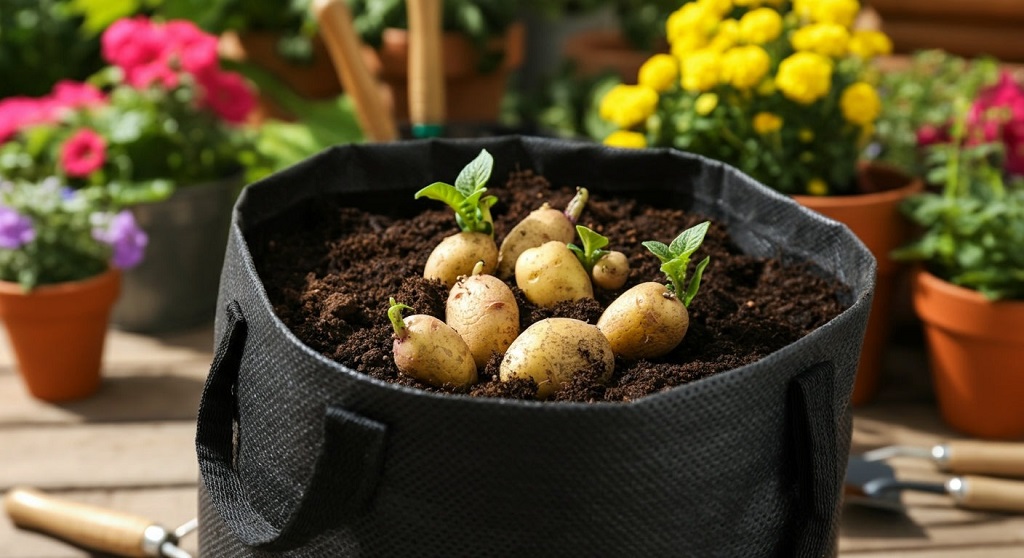
Potatoes come in types. Each suits bags different. Pick wrong, yields drop. Right ones thrive compact.
Start with earlies. Like ‘Yukon Gold’. Quick harvest. 10 weeks. Small size fits pots. Fingerlings shine too. ‘French Fingerling’ colors pop. Nutty taste. Grow 12 inches tall. Ideal for 5-gallon sacks.
Maincrops follow. ‘Kennebec’ bulks up. White flesh. Stores long. Needs bigger containers. 15 gallons minimum. Late types like ‘Russet Burbank’ work if you space well. But skip giants in small bags. They crowd.
Heirlooms add flair. ‘All Blue’ dyes mash purple. Antioxidant boost. Research from Colorado State University praises colored spuds. More nutrients than whites.
How many per bag? Depends on size. 10-gallon holds 3-5 pieces. Space 4-5 inches apart. Seed tubers average 12-14 per kilo, per UK allotment guides.
Buy certified seeds. Garden centers stock them. Avoid grocery spuds. Sprout inhibitors kill growth. Organic best. No chemicals.
Chitting boosts starts. Place eyes up in trays. Warm spot. 4-6 weeks. Shoots green up. Stronger plants. Thompson & Morgan trials show 20% better yields.
Match your zone. USDA zones 3-10 grow potatoes. Cool spots favor earlies. Warm areas try sweets—but that’s another tale. Check frost dates. Plant 2-4 weeks before last chill.
Variety tips:
- Early: Fast, small. Great for newbies.
- Mid: Balanced yield. Versatile cooking.
- Late: Heavy harvest. Storage kings.
Pick based on meals. Mashers? Go starchy. Salads? Waxy. Your kitchen guides the garden.
Best Containers and Bags for Potato Cultivation
Containers matter. Wrong one flops crops. Right setup sparks growth.
Go fabric grow bags. Breathable. Drain well. 10-20 gallon sizes rule. Gardener’s Supply designs potato ones. Flaps for easy picks. Cost-effective. Reuse years.
Burlap sacks work free. Coffee roasters give them. Roll tops down. 10 inches high start. Punch holes bottom. Porous keeps air flow. Ron Finley, urban gardener, swears by them. “Gangsta style,” he calls it.
Plastic pots? Okay if drilled. 15 inches deep minimum. Black absorbs heat. Line with straw for cool. Avoid metal. Overheats roots.
Tires? Skip. Chemicals leach. USDA warns against.
Size guide:
- Small (5 gal): 1-2 plants. Balcony fit.
- Medium (10 gal): 3-5. Patio staple.
- Large (20 gal): 6+. Deck bounty.
Depth key. 18 inches lets hilling. Width spreads roots. Homestead and Chill tests show 10-15 gallon yields best.
Prep new bags. Soak fabric. Kills bugs. Elevate on bricks. Gravity drains.
Old Farmer’s Almanac notes containers mimic raised beds. Good for clay soils. You control mix. No weeds invade.
Case: Dave in Florida. Used 5-gallon buckets. Added drainage. Got fingerlings despite heat. “Portable paradise,” he jokes.
Invest in sturdy. Woven poly lasts. Hessian biodegrades nice mulch later.
Preparing the Perfect Soil Mix for Your Potato Bags
Soil sets success. Potatoes hate heavy clay. Love loose, rich blends.
Start neutral pH. 6.0-7.0. Test kits cheap. Amend if off.
Base with potting mix. Peat-free options rise. Coconut coir holds water. Mix 50% coir, 30% compost, 20% perlite. Drains fast. Feeds slow.
Compost adds life. Worm castings boost microbes. UNH Extension recommends this. Healthier tubers.
Avoid garden dirt. Compacts in pots. Brings pests.
Fertilizer? Organic slow-release. Fish emulsion weekly. Skip high nitrogen. Greenery over spuds.
Recipe for 10-gallon bag:
- 5 gallons coir or peat.
- 3 gallons compost.
- 2 gallons vermiculite.
- Handful lime if acidic.
Moisten before fill. Crumbly, not soggy.
Mulch top. Straw layer cuts evaporation. Deters weeds.
Pro tip: Aerate monthly. Fork poke. Oxygen feeds roots.
Recent 2024 trials from Penn State show aerated mixes up yields 15%. Breathable soil equals happy potatoes.
Step-by-Step Guide to Planting Potatoes in Sacks
Planting thrills. Simple steps yield gold.
Time it. Soil 45°F+. Early spring. Or fall in mild zones.
Chit seeds first. Eyes up. Light spot. 70°F. 2-inch sprouts ready.
Cut large tubers. 2-inch chunks. One eye each. Dry cuts day. Prevents rot.
Fill bag base. 4-6 inches soil. Moist.
Place pieces. Eyes up. 4 inches deep. 6-8 inches apart.
Cover light. 2 inches soil.
Water gentle. Settle mix.
Site sunny. 6-8 hours. South-facing best.
Numbered steps:
- Select site. Wind shelter.
- Prep bag. Drainage set.
- Add base soil.
- Plant tubers.
- Water in.
- Label variety.
PHS Online guide yields 15 pounds this way. Start small. One bag. Build confidence.
My first plant? Three Yukon Golds in burlap. Sprouts poked week two. Magic.
Hilling Up: The Secret to Bountiful Potato Harvests
Hilling builds yields. Cover stems. More tubers form.
Why? Light greens spuds. Toxic solanine. Bury blocks that.
Start at 6 inches tall. Add 3-4 inches soil. Leave leaves out.
Repeat every 2 weeks. Till top. Or straw mound.
Fabric bags shine. Roll up sides. Add mix easy.
Stop at rim. Full? Let grow.
UNH says this doubles rhizomes. More spuds.
Watch heat. Above 80°F, shade. Mulch cools.
Story time: My neighbor forgot hilling. Tiny harvest. Next year, she mounded strict. Tripled output. Lesson learned.
Watering and Fertilizing Your Container Potatoes
Water consistent. Soil moist, not wet. Finger test: Dry inch down? Soak.
Drip lines save time. Or hose gentle. Morning best. Even dry.
Containers dry fast. Check daily hot spells. Mulch helps hold.
Fertilize balanced. 5-10-10. Every 3 weeks. Compost tea organic swap.
Midseason side-dress. Pale leaves signal hunger.
Overfeed? Lush tops, few tubers. Balance key.
2024 research from ScienceDirect stresses potassium. Builds skins. Strong storage.
Aim 1 inch water weekly. Adjust rain.
Common Pests and Diseases in Bag-Grown Potatoes
Pests sneak in. Vigilance wins.
Colorado beetles munch leaves. Handpick. Neem spray.
Aphids cluster stems. Hose off. Ladybugs eat them.
Blight hits wet. Yellow spots. Remove affected. Space air flow.
Scab roughens skins. Lime soil pH.
Prevention: Rotate spots. Clean tools. Organic mulch.
USDA tips: Inspect weekly. Early catch saves crop.
Case: Reddit grower in zone 6a. Beetles hit bags. Soap spray fixed. Full harvest.
Harvesting and Storing Your Homegrown Potatoes
Harvest magic. Foliage yellows. 90 days typical.
Dump bag on tarp. Sort sizes.
Cure warm dark. 2 weeks. Toughens skins.
Store cool. 45-50°F. Paper sacks. Dark spot.
New potatoes? Dig early. Tender eats.
Yields? 5-10 pounds per plant. Bags boost that.
Bootstrap Farmer notes breathable storage cuts rot.
Eat soon. Or freeze mash.
Troubleshooting Common Issues in Container Potato Growing
Yellow leaves? Overwater. Let dry.
No sprouts? Cold soil. Warm up.
Small tubers? Poor light. Move sun.
Leggy stems? Weak seed. Chit next time.
Heat wilt? Shade cloth. Mulch thick.
Forum wisdom: Permies users say consistent moisture key. Drought halves yields.
Adjust quick. Most fixes simple.
Advanced Tips: Maximizing Yields in Small Spaces
Stack bags. Double layers. More hilling room.
Companion plant. Beans fix nitrogen. Marigolds repel bugs.
LED lights indoors. Winter crop.
Hydroponic twist? Pots with reservoirs. Water wise.
2025 outlook: Farm Credit East predicts steady spud demand. Home grows fill gaps.
Experiment. Track notes. Your tweaks shine.
Conclusion
Growing potatoes in a sack or container transforms spaces. You gain fresh food. Skills build. Joy multiplies.
Key takeaways: Pick compact varieties. Hill regular. Water steady. Harvest timely.
Start today. Grab a bag. Plant seeds. Taste the difference.
Your turn. Dig in. Share your harvest stories. What’s your first variety?
Related Topics: Olla Irrigation Pots: Water Your Garden Efficiently
FAQs
What Size Container Do I Need for Growing Potatoes in Bags?
Aim for 10-15 gallons. This holds 3-5 plants. Deeper than 15 inches allows hilling. Smaller works for fingerlings. Larger boosts yields.
When Is the Best Time to Plant Potatoes in Containers?
Plant 2-4 weeks before last frost. Soil at 45°F. Spring for summer crop. Fall in warm zones for winter harvest.
How Often Should I Water Potatoes Grown in Sacks?
Keep soil moist. Water when top inch dries. About 1-2 times weekly. More in heat. Consistent moisture prevents cracking.
Can I Grow Organic Potatoes in Containers?
Yes. Use certified seeds. Organic soil mix. Compost fertilizer. Avoid synthetics. Neem for pests. Yields match traditional.
How Do I Know When to Harvest Potatoes from a Grow Bag?
Wait for foliage dieback. About 90 days. Dig gentle. Check size. Cure 2 weeks for storage.
Related Topics: Vermicompost DIY in Your Garden