Every December, tens of thousands of scientists head to San Francisco. They come to share new findings, meet old colleagues, and plan future projects. In 2026, the world’s largest Earth and space science gathering returns on December 7–11. This guide covers what you need before you go. You will find dates, registration steps, schedule tips, speaker details, major topics, and practical advice. Whether you are a first-timer or a veteran, use it as your planning checklist for AGU Fall Meeting 2026.
What Is This Annual Gathering?
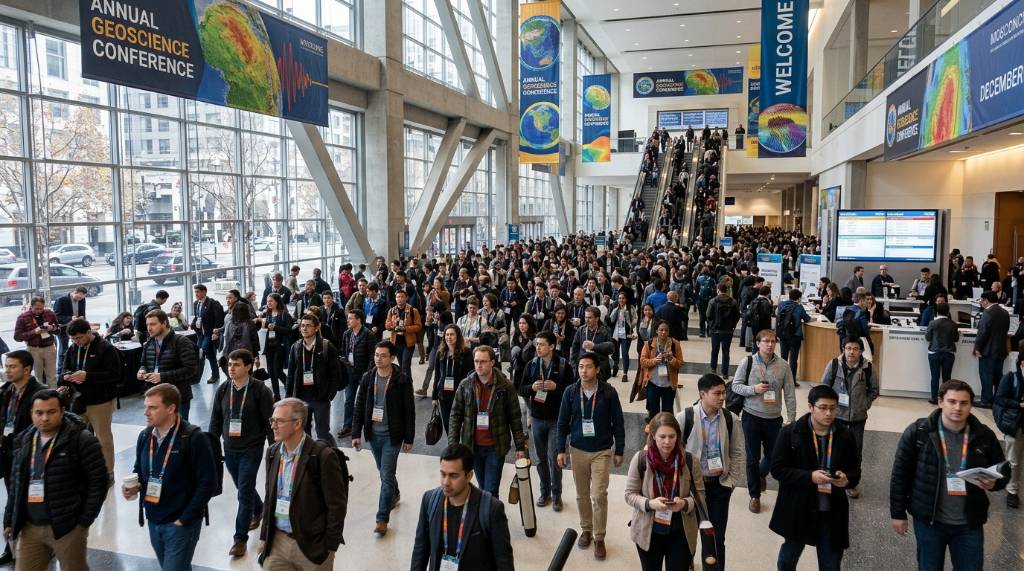
The American Geophysical Union, known as AGU, runs this event every year. The 2026 theme is “Where Science Connects.” The organizer expects more than 25,000 attendees from over 100 countries. Together, they cover Earth, ocean, atmospheric, planetary, and space sciences.
Moreover, the event welcomes more than researchers. Students, teachers, policymakers, journalists, and industry professionals all attend. As a result, you can hear a satellite engineer, a glaciologist, and a city planner in one afternoon.
Quick Facts at a Glance
This table gives you the basics in one place.
| Detail | Information |
| Dates | December 7–11, 2026 (Monday to Friday) |
| City | San Francisco, California, USA |
| Venue | Moscone Center, 747 Howard Street |
| Theme | Where Science Connects |
| Expected attendance | More than 25,000 people |
| Countries represented | More than 100 |
| Main format | In-person, with a full scientific program |
| Daily event listing hours | 9 am to 5 pm |
Keep in mind that official session times often run beyond the daily listing. Therefore, check the online program for exact start and end times.
Important Dates and Deadlines
Deadlines move fast in the fall. The table below lists the key milestones.
| Date | Milestone | Status in late October |
| August 5 | Abstract submissions close | Passed |
| August 20 | Abstracts go into sessions | Passed |
| August 25 | Registration and housing open | Open now |
| Early September | Program schedule goes live | Available |
| September 29 | Late-breaking abstract deadline | Passed |
| Early November | Early bird rate usually ends | Check your account |
| December 7–11 | Meeting week | Upcoming |
The early bird deadline deserves special attention. In 2024, it fell on November 6. The 2026 date may differ, so confirm it on the official registration page. Additionally, AGU members often get lower rates, so check your membership status before you pay.
How to Register Step by Step
Registration takes about 15 minutes if you prepare ahead. Follow these steps.
- Create or log in to your AGU account. The registration site requires one.
- Check your membership. Join or renew first if you want member rates.
- Choose your registration type. Options in past years included full in-person, one-day, and virtual passes.
- Select any add-ons. Tickets for special events and workshops often cost extra.
- Pay in full. You receive your credentials only after payment clears.
- Save your confirmation email. You will need it for badge pickup.
Furthermore, group payments need a different path. If you register a team, contact the AGU registration center for help.
Who Gets Reduced Rates?
AGU sets rates by career stage and membership. Typically, members, students, and early-career scientists pay less. Some governments and affiliated societies also qualify for special pricing. Because rates change each year, this guide does not list prices. Instead, review the current rate chart when you sign in.
What Registration Usually Includes
Based on recent years, a full pass often covers these items:
- Oral sessions with live discussion
- The poster hall and electronic posters
- Keynotes and plenary talks
- The exhibit hall
- Career development spaces and mentoring
- Town halls and many workshops
- The mobile app and online platform
However, benefits can change. Always read the 2026 policy page before you buy.
Housing and Travel Planning
Book your room early. San Francisco hotels fill quickly during this week. AGU runs an official housing site, and it offers negotiated rates near the venue.
Be careful with outside offers, though. Past notices warned that unofficial companies call attendees and claim to represent AGU. They do not. Book only through the official housing link.
Getting to Moscone Center
Moscone Center sits in the SoMa district, close to downtown. Most visitors fly into San Francisco International Airport. From there, BART trains run to downtown stations within walking distance of the venue. Alternatively, you can take a rideshare, though traffic can slow you down.
If you stay farther away, look for hotels near Muni lines. They save time and money.
Schedule Overview
AGU published the full program in early September. It lists thousands of oral and poster sessions. The exact timetable changes by year, but the weekly rhythm stays similar. This table shows the typical flow, based on past meetings.
| Time of day | What usually happens |
| Morning | Oral sessions and keynote talks |
| Midday | Poster halls, exhibit hall, and lunch meetings |
| Afternoon | More oral sessions, town halls, and workshops |
| Evening | Receptions, award events, and networking gatherings |
The week also includes smaller side events. These include collaboration meetings, career fairs, and early-career socials. Therefore, you rarely run out of things to do.
How to Build Your Personal Schedule
The program is huge. A simple plan helps you avoid overload.
- Start with your own research area. Mark five must-see sessions.
- Add two sessions outside your field. New ideas often come from unexpected places.
- Save time for the poster hall. Many strong conversations happen there.
- Leave open slots. Hallway chats can matter more than any talk.
Also, use the mobile app. It lets you build a calendar, search authors, and map your route.
Speakers and Honorees
AGU has not shared every speaker detail in the sources reviewed for this article. However, the meeting follows a clear pattern each year. You can expect these speaker types:
- Keynote and plenary speakers who discuss major scientific questions
- Named lecture speakers who present career-defining work
- Medal and award winners who receive recognition during the Honors Ceremony
- Panelists at town halls on policy, education, and public trust in science
- Press briefing speakers who share new results with journalists
To see the current lineup, open the online program and filter by session type. In addition, AGU often announces major honorees on its website and social channels. Check those pages every few weeks, since names appear gradually.
Major Topics and Themes
The science program spans nearly every part of the planet and beyond. Here are the main areas you will find.
| Topic area | What you may see |
| Atmospheric and climate science | Climate models, extreme weather, air quality |
| Ocean sciences | Sea level rise, marine heat waves, ocean circulation |
| Cryosphere | Ice sheet change, glaciers, permafrost |
| Hydrology | Water supply, floods, droughts, groundwater |
| Solid Earth and geophysics | Earthquakes, volcanoes, plate motion |
| Natural hazards | Wildfire, landslides, risk planning |
| Planetary science | Mars, the Moon, outer planets, mission results |
| Space physics and heliophysics | Solar storms, space weather, magnetic fields |
| Biogeosciences | Carbon cycles, soils, ecosystems |
| Data science and technology | Machine learning, remote sensing, big data |
| Science policy and education | Funding, communication, equity, teaching |
In recent years, artificial intelligence and satellite data have grown fast on the program. Likewise, climate adaptation and hazard resilience draw large crowds. Expect these trends to continue.
Attendee Guide: Tips for a Smooth Week
Before You Travel
Start early. Register, book housing, and download the app. Next, pack for walking. The venue is big, and you will cover many miles each day. San Francisco weather in December is cool and often damp, so bring layers and a light rain jacket.
Additionally, print or save your abstract details if you present. Check your session time, room, and poster board number a few days ahead.
At the Venue
Arrive early on day one. Badge lines can get long. Wear comfortable shoes. Carry a refillable water bottle and a portable phone charger, because outlets fill up quickly.
Moreover, map your key rooms the first morning. Sessions often sit in different buildings and levels, and walking between them takes time.
Networking With Purpose
Bring business cards or a digital contact link. Set a goal, such as meeting three new collaborators. Then reach out to people before you arrive. A short message like “I loved your recent paper and would like to chat” works well.
Furthermore, attend social events. Many job leads and joint projects begin over coffee.
Tips for Students and Early-Career Scientists
This meeting offers strong support for newer researchers. Look for mentoring programs, career fairs, and resume reviews. In addition, volunteer programs sometimes give students reduced costs. Apply early, since spots go quickly.
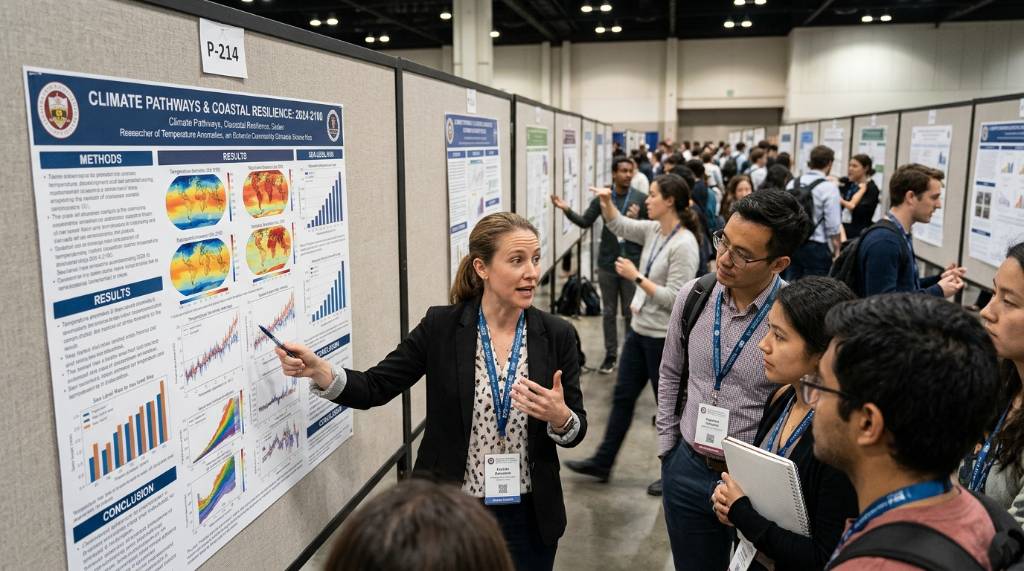
If you present a poster, practice a 60-second summary. People pass by fast, so a clear pitch grabs attention.
Budget Planning
Costs add up beyond registration. Plan for these items:
- Flights and local transport
- Hotel nights
- Meals, which cost more in downtown San Francisco
- Special event tickets
- Printing for posters
Therefore, ask your university or employer about travel grants early. AGU and partner groups also offer funding for some attendees. Check the official site for current options.
Staying Healthy and Safe
Long conference days drain your energy. Eat real meals, sleep well, and take short breaks outdoors. Keep your badge and belongings close in crowded halls. Finally, learn the venue’s first aid and help desk locations on day one.
Why This Event Matters
The science shared here shapes policy, planning, and public understanding. Weather forecasts, hazard maps, and climate reports all draw on work first presented at gatherings like this one. Consequently, attending gives you early access to ideas that will define the next year of research.
Beyond the science, the event builds community. Scientists from rival labs, small colleges, and national agencies share the same hallways. That mix sparks fresh partnerships, and many of them last for years.
Conclusion
The 2026 meeting runs December 7–11 at Moscone Center in San Francisco, and it offers a huge range of Earth and space science. Registration and housing are open, but the early bird deadline may arrive soon. Therefore, check your account this week. Plan your schedule around your interests, add a few new topics, and leave room for networking. Pack layers, book through official channels, and use the mobile app. With good preparation, AGU Fall Meeting 2026 can become one of the most useful weeks of your year.
Frequently Asked Questions
1. When does the meeting take place?
It runs from Monday, December 7, to Friday, December 11, 2026.
2. Where does it happen?
The event takes place at Moscone Center, 747 Howard Street, San Francisco, California.
3. How many people attend?
The organizer expects more than 25,000 attendees from over 100 countries.
4. Is registration open?
Yes. Registration and housing opened on August 25, and you need an AGU account to sign up.
5. Can I still submit an abstract?
No. The regular deadline was August 5, and the late-breaking deadline was September 29. Both have passed.
6. When does the early bird rate end?
Past years used an early November deadline. Confirm the 2026 date in your registration account.
7. Does AGU offer online access?
In past years, AGU sold virtual passes. The 2026 listing stresses in-person attendance, so check the official site for current online options.
8. Who are the speakers?
The program features keynote speakers, named lecturers, and award winners. Open the online program and filter by session type to see the latest names.
9. Where should I book my hotel?
Use the official AGU housing site. Avoid callers or companies that claim to represent AGU.
10. Is the event good for students?
Yes. Students can find mentoring, career fairs, networking events, and sometimes reduced rates.