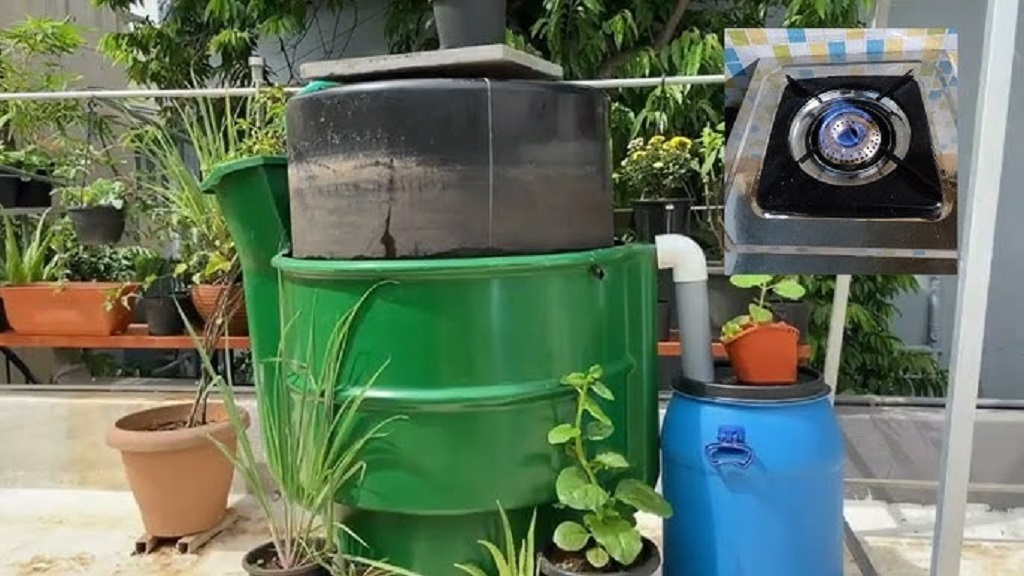
Picture this. You toss vegetable peels and coffee grounds into the trash every day. Those scraps rot in a landfill, pumping out methane that warms the planet. Now imagine flipping the script. You feed that waste into a simple setup right in your backyard. Microbes go to work. They churn out clean gas for your stove. You cook dinner without guilt. Leftover sludge feeds your tomatoes. Sounds like a win, right?
That’s the power of a small biogas digester. It captures the natural breakdown of organic matter in a sealed tank. Bacteria munch on it without oxygen. They spit out biogas—mostly methane—and rich slurry for soil. This tech turns everyday waste into energy and fertilizer.
Numbers back it up. The U.S. EPA reports that anaerobic digestion cuts methane emissions from livestock waste. It equals pulling 4.3 cars off the road per 10 cows processed. Globally, small digesters could slash food waste emissions by 25 times CO2’s potency, per recent EPA data. In Vietnam, handling 1,000 kg of liquid manure plus 100 kg solid drops global warming impact from 4.4 kg CO2 equivalents to 3.2 kg. Low-tech, high-reward. Ready to dive in?
What Is a Small Biogas Digester and How Does It Work?
Think of it as a stomach for your scraps. A small biogas digester is a backyard system, often 200-1,000 liters. It processes manure, food waste, or plant bits. No fancy lab needed. You build it from barrels or bags.
The magic happens in four steps. First, hydrolysis. Bacteria soften tough stuff like cellulose. They break it into sugars. Next, acidogenesis. Acid-formers turn those into volatile fatty acids, alcohols, and gases like hydrogen. Then, acetogenesis. More bugs convert acids to acetic acid, hydrogen, and CO2. Finally, methanogenesis. Methane-makers feast. They produce 50-70% methane biogas, plus CO2 and traces of hydrogen sulfide.
Feed it right, and it hums. A 200-gallon tank handles 5 gallons of waste daily. In warm spots—say, 90°F—it yields 2 hours of cooking gas. Recent Peru studies show co-digestion of 30% organic waste and 70% cow manure hits 62 liters methane per kg. That’s real output.
Why small? It fits homes. No big farm required. Low input, steady yield. Slurry out the bottom? Nutrient-packed digestate. Use it straight on crops. Boosts yields without chemicals.
Benefits of Building Your Own Small Biogas Digester
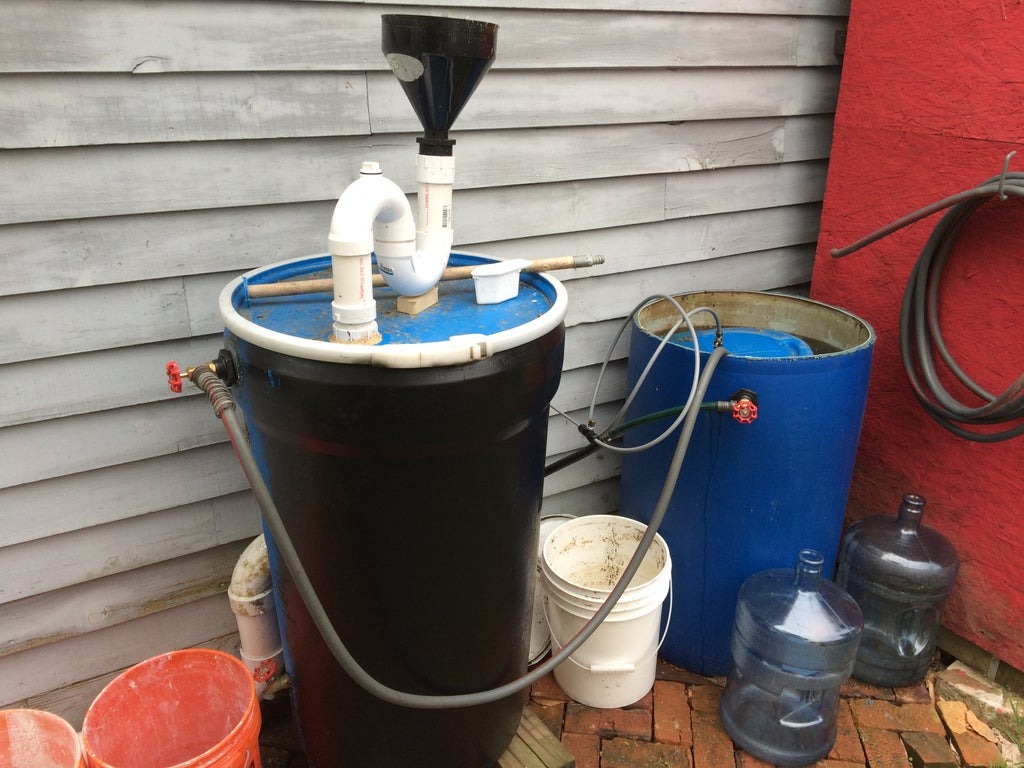
You gain more than gas. This setup pays off in layers. Start with energy. Biogas replaces propane or wood. A family unit cooks 2-4 hours daily. In Pakistan case studies, rural homes cut fuel costs by half. Time saved? Women skip hours gathering firewood.
Health perks follow. Less smoke means fewer lung issues. WHO links traditional fuels to 4 million deaths yearly. Biogas burns clean. In Nepal, over 431,000 plants dropped respiratory cases.
Environmentally, it’s gold. Digesters trap methane—25 times worse than CO2. EPA says U.S. potential systems could power 800-1,400 homes from 100 tons food waste daily. Slurry recycles nutrients. No runoff pollution.
Economically, it stacks up. Fertilizer from slurry slashes bills. In China, 40 million household units aid 150 million people. Crop revenues rise 10-20%. Jobs? Building and maintaining sparks local work.
Socially, it empowers. Low-income spots like Ghana see community hubs. Women lead maintenance. Kids study by biogas lamps.
Take Maria in Peru’s Chillon Valley. She mixed market scraps with cow dung in a 4 kg/day digester. Yield? 63.75 liters methane/kg. Her stove runs steady. Veggies thrive on slurry. Emissions? Down 70%. Real change.
Types of Small Biogas Digesters: Pick the Right One for You
Choices abound. Match to your space, waste, and skills.
Fixed Dome Digester
Underground brick or concrete dome. Gas builds pressure in the top. Slurry flows out a pipe. Tough, lasts 20 years. Best for stable soil. In China, millions run this way. Yields 150-500 m3 gas daily in medium setups.
Floating Drum Digester
Steel drum floats on slurry. Gas lifts it. Easy gas level check. Above ground. Good for cold spots—add insulation. Ghana studies favor it for portability. Output? Steady, but drums rust without care.
Balloon or Bag Digester
Flexible plastic tube. Light, cheap. Roll it up if moving. Low pressure gas. Ideal for renters. Nepal loves them—quick setup. But watch punctures. Recent low-tech versions hit 0.34 m3/kg volatile solids.
IBC Tote Digester
Repurposed shipping container. DIY king. Drill pipes for feed, outlet, gas. 275 gallons standard. Culhane’s designs cook eggs on home biogas. Simple hour build.
Pick by climate. Warm? Bag. Cold? Insulated drum. Waste type? Manure suits domes. Food scraps? Bags.
Materials and Tools: What You Need to Get Started
Gather smart. Reuse where possible.
Core items:
- Main tank: 55-275 gallon drum or IBC tote. Food-grade plastic best.
- Gas holder: Second drum or balloon bag.
- Pipes: 2-4 inch PVC for inlet/outlet. 1/2 inch for gas line.
- Valves: Ball valves for control. Check valves stop backflow.
- Sealants: Plumber’s putty, silicone, or epoxy.
- Fittings: Bulkheads, elbows, tees.
Tools:
- Drill with bits.
- Hole saw for pipes.
- Hacksaw or PVC cutter.
- Wrench set.
- Measuring tape.
- Safety gear: Gloves, goggles.
Optional boosts: Styrofoam insulation. Compost heater for cold. pH strips for monitoring.
Source local. Hardware stores stock PVC. Farms yield old drums. Total? Under $200 for basics.
Step-by-Step Guide: Building Your Small Biogas Digester
Roll up sleeves. We build a 200-gallon IBC version. Suits 4-person home. Takes a weekend.
Step 1: Plan Your Site
Choose sunny, level spot. Near kitchen and garden. 10×10 feet clear. Slope for drainage. Avoid floods. Dig 2 feet deep if burying—insulates.
Step 2: Prep the Main Digester Tank
Clean IBC thoroughly. Drill holes:
- Top: 2-inch for gas outlet.
- Side, low: 4-inch for slurry out.
- Side, high: 4-inch for feed inlet.
Install bulkhead fittings. Seal tight with putty. Add screen to inlet—blocks chunks.
Step 3: Set Up the Gas Collection
Attach 1/2-inch PVC to gas hole. Run to storage bag or second drum. Invert drum in water trough for floating seal. Or use tire inner tube for balloon.
Step 4: Insulate for Efficiency
Wrap tank in foam boards. Bury halfway. Recent studies show 4°C temp lift. Key in winter.
Step 5: Connect Pipes
Inlet pipe: Slant down into tank. Outlet: Gravity feed to collection pit. Gas line: To stove adapter. Test seals—soap bubbles spot leaks.
Step 6: Inoculate and Start
Mix cow manure slurry—1:1 water. Fill 80%. Seal. Wait 10-15 days. Bubbles mean action.
Pro tip: Log temps. Aim 30-38°C. Warm water helps startup.
Feeding Your Digester: Best Practices for Optimal Output
Feed steady. Wrong mix kills bugs.
- Ratio: 30:70 waste to manure. Boosts to 62 L CH4/kg, per Peru research.
- Amount: 5 gallons/day for 200-gal tank. Chop fine.
- C/N balance: 20-30:1. Too much green? Add carbon like straw.
- pH: 6.8-7.2. Test weekly. Lime if low.
Daily routine: Pour slurry. Stir gently. Avoid overfeed—sours fast.
Seasonal tweaks: Summer? More water. Winter? Insulate, preheat feed.
Maintenance and Troubleshooting: Keep It Running Smooth
Check weekly. Catch issues early.
Common pitfalls:
- Low gas: Cold temps. Solution: Solar heater or compost wrap.
- Sour smell: Overload. Flush, dilute.
- Leaks: Check seals. Reseal with epoxy.
- Clogs: Screen feeds. Flush pipes.
Tools help. IoT sensors track pH, temp—2024 studies show 98% uptime.
Annual: Empty slurry. Clean tank. Recent Ghana data: Proper care yields 2x life.
Safety First: Handling Biogas Like a Pro
Biogas burns clean but respect it. Ventilate builds. No sparks near gas lines. Test flames—blue good, yellow? CO2 spike.
Store in low-pressure bags. Ground electrics. Kids? Fence it.
EPA notes: Small units rarely explode. But monitor H2S—rotten egg smell means scrub it.
Real-World Success Stories: Case Studies from Around the Globe
Inspiration fuels action.
Peru’s Chillon Valley: Farmers co-digested scraps and dung. 20-day retention. Output: 63 L methane/kg. Cut emissions 70%. Maria’s farm? Thriving veggies, steady stove.
Nepal’s Rural Push: 431,000 plants since 1992. BSP program. Families save 2 hours daily on fuel hunt. Health? Fewer coughs. Yields up 15%.
China’s Heartland: 40 million units. Henan province leads. 12.4 billion m3 gas yearly. Slurry boosts rice 20%. Women lead co-ops.
Ghana’s Test Beds: Low-cost floating drums. 2025 study: 80% adoption in villages. Jobs in install. Waste? Gone.
Your turn next.
Conclusion
You now hold the blueprint. A small biogas digester turns waste to wonder. It powers meals, feeds soil, cuts emissions. From site pick to first flame, each step builds resilience.
Grab that old drum. Mix your slurry. Light the burner. Share your story—we all grow together.
Start today. Build tomorrow’s energy.
Related Topics: Guide to Olla Irrigation Pots
FAQs
What size small biogas digester suits a family of four?
A 200-275 gallon unit works best. It processes 5 gallons waste daily. Yields 2-4 hours cooking gas in moderate climates.
How long until my digester produces usable biogas?
Expect 10-15 days startup. Full yield in 4-6 weeks. Warm temps speed it. Monitor bubbles for signs.
Can I use kitchen scraps alone in a biogas digester?
Mix with manure for balance. 30% scraps, 70% dung hits peak output. Pure food waste sours easy.
What if gas production drops in winter?
Insulate tank. Preheat feed water. Compost wrap adds heat. Studies show 4°C lift doubles yield.
Is the slurry from a biogas digester safe for gardens?
Yes. It’s pathogen-free after digestion. Dilute 1:10. Boosts crops 15-20% without chemicals.
Related Topics: Fire Starters from Dryer Lint
References
- Issahaku, M., et al. (2024). A systematic review of the design considerations for the operation and maintenance of small-scale biogas digesters. https://pmc.ncbi.nlm.nih.gov/articles/PMC10789629/
- Tolessa, A., et al. (2024). Current Status and Future Prospects of Small‐Scale Household Biodigesters in Sub‐Saharan Africa. https://onlinelibrary.wiley.com/doi/10.1155/2024/5596028
- Garcia, J., et al. (2025). Design Improvements and Best Practices in Small-Scale Biodigesters for Sustainable Biogas Production: A Case Study in the Chillon Valley, Perú. https://www.mdpi.com/1996-1073/18/2/338