“Plant-based” sounds gentle. “Cuts grease” sounds powerful. Can a dish soap really be both? Yes—but the reason is chemistry, not marketing. Grease does not disappear because a product contains a plant ingredient. It is removed because surfactants interact with oily soils, reduce surface tension, help lift fats from a surface, and keep loosened material dispersed in water so it can be rinsed away.
That distinction matters if you are shopping for a plant-based dish soap. Some green products clean extremely well; others may disappoint if their formula is too dilute, poorly matched to the water conditions, or simply used incorrectly. The most useful question is therefore not whether plant-based soap can remove grease, but what features make a plant-based formula effective at doing it.
This guide explains the science in plain language, shows what to look for on an ingredient list, and gives you a practical way to test cleaning performance without sacrificing your environmental priorities.
How Does Dish Soap Remove Grease?
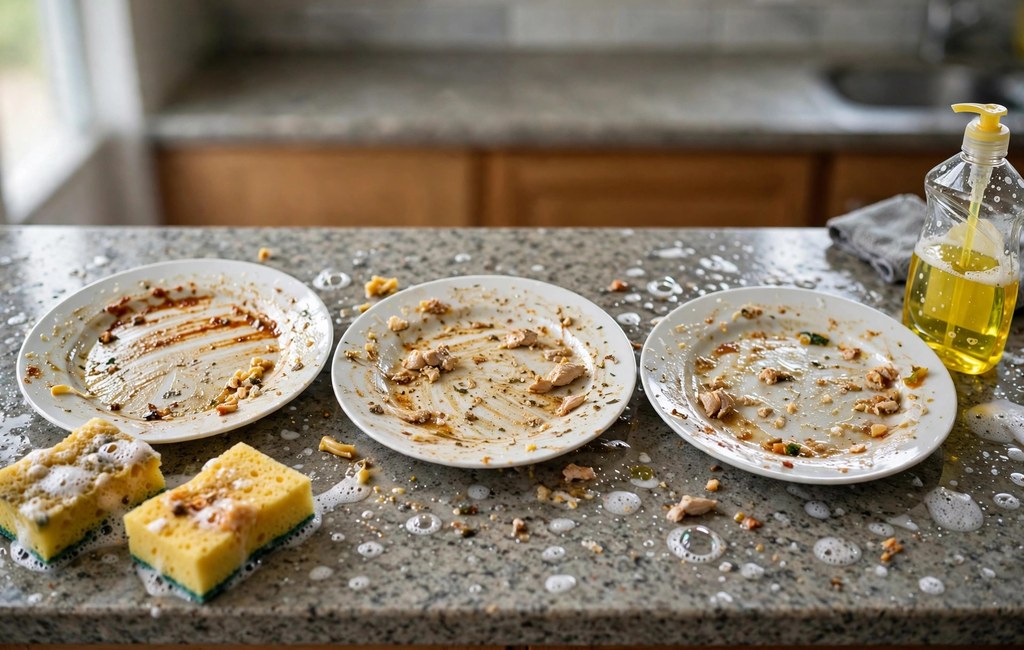
Water alone struggles with oils because water and grease have different chemical properties. Surfactants bridge that gap. One part of a surfactant interacts favorably with water while another interacts with oily soil. During washing, surfactants help loosen grease from the surface and keep the detached material dispersed in the wash water.
That is why the word “soap” can be misleading. Modern dishwashing liquids are formulated systems, not simply a single natural soap molecule. They can contain several surfactants working together, plus ingredients that control pH, viscosity, water hardness, preservation, and fragrance.
Plant-derived surfactants can perform this job effectively. Examples found in modern formulations include glucosides, amine oxides, betaines, and certain plant-derived sulfate surfactants. The source of a surfactant matters for sustainability, but the final cleaning performance depends on the molecular structure and the way the ingredients are combined.
In other words, plant-based does not have to mean weak. Good formulation is what turns a renewable ingredient into a useful cleaner.
What Makes a Plant-Based Dish Soap Good at Cutting Grease?
Four variables matter most: surfactant system, concentration, temperature, and technique.
Surfactant system: A blend can outperform a single surfactant because different molecules behave differently with oils, proteins, starches, and hard-water minerals.
Concentration: More active cleaning material can improve grease removal, but only to a point. A concentrated formula may need less product per wash.
Temperature: Warm water can soften or mobilize many greasy residues. However, a good dish soap should still work under normal washing conditions.
Technique: Letting soap contact the greasy surface, using a suitable sponge or brush, and scraping heavy residue before washing can make a larger difference than switching brands.
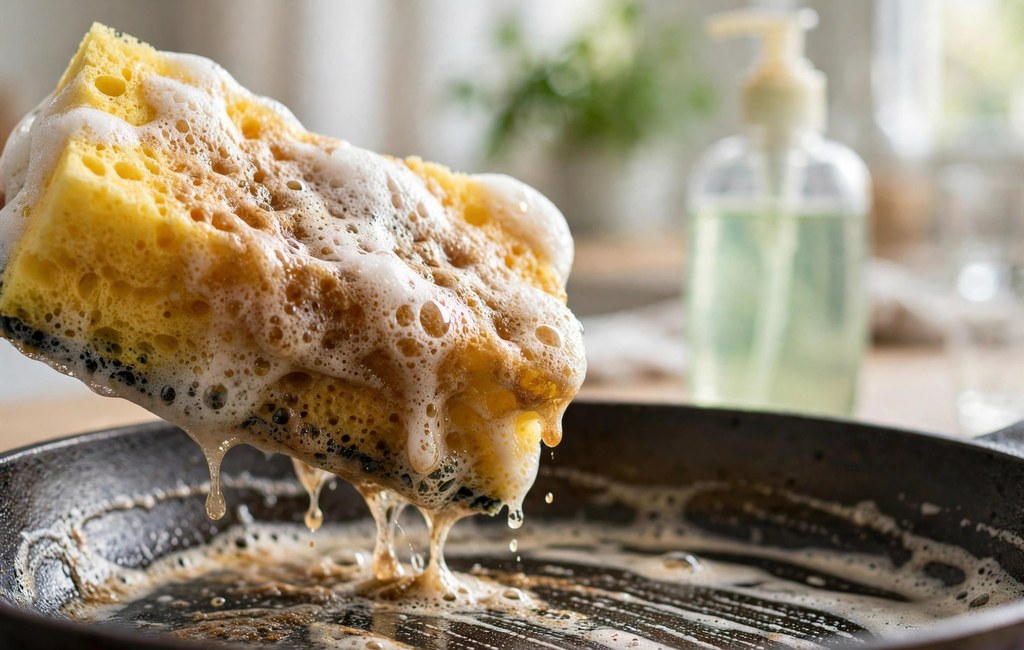
This is one reason reviews that judge dish soap only by the number of bubbles can be misleading. For a real-world example, see this Blueland Clean Essentials review. Foam is not the same thing as cleaning power. A product can make dramatic suds and still leave oily residue, while a lower-foaming formula can clean effectively.
Are Plant-Based Surfactants as Strong as Conventional Ones?
They can be. “Conventional” is not a synonym for “strong,” just as “plant-based” is not a synonym for “weak.”
EPA’s Safer Choice program is useful here because it evaluates ingredients according to function and safety criteria while requiring certified products to perform comparably to conventional products. That reflects an important principle: environmental improvements should not require abandoning basic product performance.
The exact chemistry matters more than the label. A plant-derived ingredient can be engineered into a high-performing surfactant system, while a poorly formulated “natural” product may struggle with baked-on oil.
When comparing products, therefore, ask what the brand claims about cleaning and whether those claims are supported by credible testing or certification. If a formula carries a certification that includes performance requirements, that provides more evidence than a front-label phrase such as “green clean.” Learning how green marketing vs greenwashing works helps you see past front-label phrases.
What About Seventh Generation Dish Liquid?
Seventh Generation is a useful example because its current dish liquid range includes plant-based cleaning agents and EPA Safer Choice certification on the cited formulations. The brand’s pages describe its dish liquids as designed to fight grease, and the ingredient lists include combinations such as plant-derived sodium lauryl sulfate, lauramine oxide, and decyl glucoside.
The important point is not that one brand automatically wins. Different versions can have different fragrance ingredients and specifications, and product formulas can change. The better lesson is how to evaluate a plant-based dish liquid: inspect the current ingredient list, check certifications, read the directions, and judge the product by how well it handles the soils you actually create.
If you are reading a “Seventh Generation dish liquid” comparison, pay attention to the exact variant. Free & Clear, for example, is different from scented versions. A fragrance preference can also affect your choice independently of grease-cutting performance.
How to Test Grease-Cutting Performance at Home
You do not need a laboratory to make a useful comparison. A simple controlled kitchen test can reveal whether a plant-based dish soap is genuinely effective for your routine.
Start with three similar plates or pans and the same greasy food residue. Use the same water temperature, the same amount of soap, and the same scrubbing time for each product. Rinse each item and inspect it under good lighting.
Test different soils separately. Cooking oil, butter, peanut butter, and baked-on tomato sauce behave differently. A product that excels at fresh oil may not perform as well on polymerized residue.
Record three things: how much soap was required, how much scrubbing was needed, and whether the surface felt clean after rinsing. This gives you a more meaningful performance picture than foam height or scent.
Do not call a product “ineffective” after using an unusually large amount of residue or an unfairly cold-water test. The goal is repeatable household conditions.
Why Water Hardness and Technique Matter
Water chemistry can change the experience of dishwashing. Hard water contains minerals that can interfere with some cleaning systems and create deposits. That means a dish soap that performs beautifully in one home may feel less impressive in another.
Technique matters just as much. Scrape large amounts of food before washing. Soak heavily baked-on residue instead of attacking it immediately with excessive soap. Apply detergent to the sponge or dish as directed, and rinse thoroughly.
This also reduces waste. If a product removes grease quickly with a small dose, you use less formula and often less water. Sustainability and performance can therefore reinforce each other rather than compete.
The same thinking applies to an eco-friendly party: efficient cleanup, reusable serving items, and sensible quantities can reduce environmental impact without making the event harder to manage. Sustainability works best when it improves the system rather than adding unnecessary friction.
What Ingredients Should You Look For?
There is no single “green ingredient” that guarantees excellent degreasing. Instead, look for a well-designed surfactant blend and credible product information.
Glucosides such as decyl glucoside are common plant-derived surfactants. Amine oxides and betaines may also be used to support cleaning and foam characteristics. Some formulas use sulfate surfactants that are plant-derived or partly plant-derived. None of these labels alone tells you exactly how the finished product will perform.
A useful ingredient list should also identify supporting components such as pH adjusters, chelating agents, preservatives, and fragrances. You do not need to avoid every unfamiliar chemical name. The goal is to understand what the ingredients do and whether the overall formulation has been evaluated for safety and environmental performance.
If the product provides a credible certification, use that as a shortcut for part of the evaluation rather than trying to become a chemist overnight.
How to Choose a Plant-Based Dish Soap That Actually Works
Use this decision process:
- Define your hardest cleaning task. Fresh oil is different from baked-on grease.
- Check the surfactant system. Look for a transparent ingredient list.
- Check concentration and directions. A small effective dose can be a major advantage.
- Look for credible certification. EPA Safer Choice is particularly useful because it considers both safer ingredients and performance.
- Consider fragrance needs. Fragrance-free can be preferable for sensitive households.
- Compare packaging. Recycled or refillable packaging can reduce waste. See these eco-friendly packaging solutions for more ideas.
- Test before committing. Your own cookware and water conditions matter.
This approach avoids two common mistakes: assuming every plant-based product is excellent and assuming plant-based products cannot handle serious grease.
FAQs About Plant-Based Dish Soap and Grease
Can plant-based dish soap remove heavy grease?
Yes. Effective plant-based formulas can remove oils and greasy food residue when their surfactant system is well formulated and used correctly.
Is plant-based dish soap weaker than conventional detergent?
Not inherently. Performance depends on formulation, surfactant chemistry, concentration, water conditions, and technique.
Does more foam mean better grease removal?
No. Foam can be a useful user-experience feature, but it is not a reliable measure of cleaning power.
Is Seventh Generation dish liquid good for grease?
The brand states that its dish liquids are formulated to fight grease, and cited formulations carry EPA Safer Choice certification. Your experience can still vary by variant, water hardness, residue type, and washing method.
Should I use hot water with plant-based dish soap?
Warm water can help loosen greasy soils, but follow the product instructions and use a temperature that is safe for the cookware and your hands.
Is plant-based the same as natural?
No. Plant-based usually refers to ingredient sourcing. Natural is a broader marketing term and does not by itself establish environmental or safety performance.
Conclusion: Plant-Based Can Be Powerful—When the Formula Is Right
Plant-based dish soap can absolutely remove grease. The key is to stop treating “plant-based” as a performance claim and start evaluating the formulation behind the label.
Look for effective surfactants, appropriate concentration, transparent ingredients, credible certification, and packaging that reduces waste. Then use the soap efficiently: scrape heavy residue, give the formula enough contact time, and avoid wasting product simply to create more bubbles.
If you are choosing a new eco-friendly dish soap, test it on the grease you actually encounter at home. This guide to eco-friendly washing up liquid compares formulas in more detail. A product that cleans your pans with a small dose, rinses cleanly, and comes in lower-impact packaging is far more useful than a bottle that simply looks sustainable on the shelf.