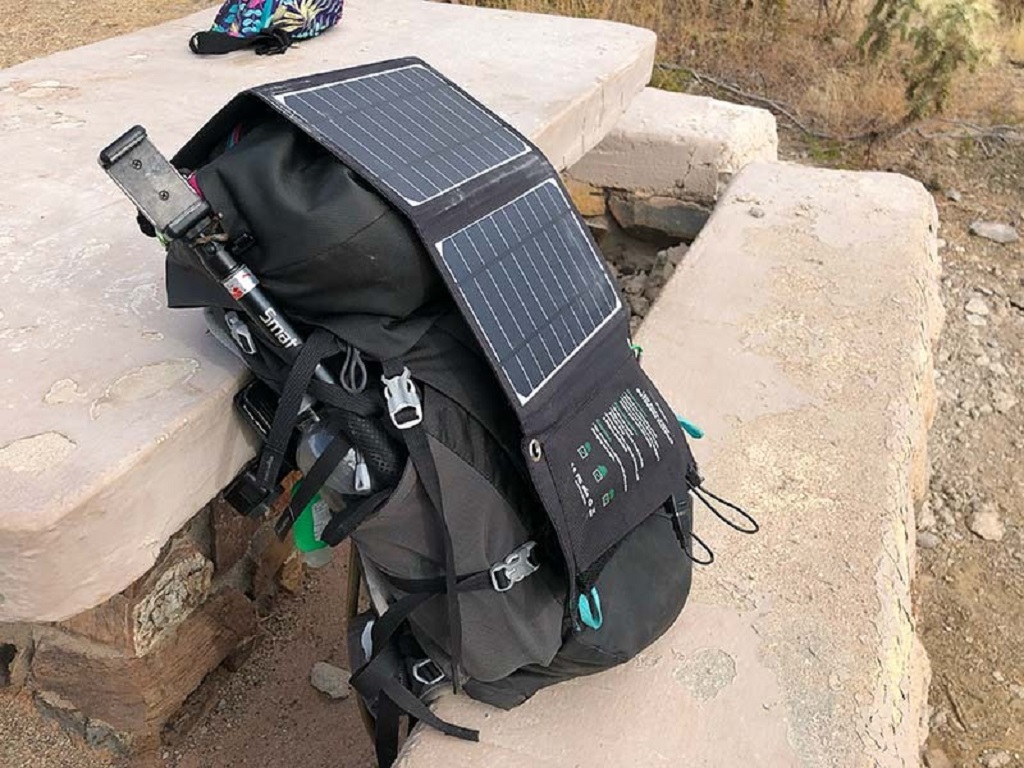
Imagine this. You crest a ridge after days of rugged terrain. Your phone beeps low battery. Navigation fails. Panic sets in. But wait. A small panel on your pack has sipped sunlight all day. It tops off your device in minutes. Crisis averted. You snap a summit photo and keep moving.
Solar-powered chargers for backpacking change the game. They turn endless sun into reliable energy. No more hauling heavy batteries. These devices clip to your pack or unfold at camp. They charge phones, GPS units, and headlamps right from nature’s glow.
Backpackers love them for freedom. You hike farther without resupply worries. Recent data shows promise. The U.S. Department of Energy reports solar panel efficiency hit 22% in 2024 for portable models. That’s up from 18% five years ago. Meanwhile, the National Park Service notes over 14 million annual backpackers in U.S. parks. Many seek green tech to cut waste. Solar fits perfectly.
This guide dives deep. We cover benefits, top picks, setup tips, and more. You get real stories from trail vets. Plus, ways to pick what suits your pack weight and trip length. Let’s gear up and hit the dirt.
Why Solar-Powered Chargers Shine for Trail Lovers
Backpacking demands smart choices. Every ounce counts. Traditional batteries add bulk. They drain fast on multi-day treks. Solar chargers flip that script.
They harness free sun. Panels convert rays to electricity. Output flows to your gear. No outlets needed. A 10W panel might charge a phone in four sunny hours. That’s huge for remote routes like the Pacific Crest Trail.
Energy independence tops the list. You control power. No hunting cafes at trailheads. Hikers report less stress. One thru-hiker shared, “My BigBlue panel kept my Garmin alive for 20 days. No dead spots.”
Lightweight designs win hearts. Many weigh under a pound. Fold them small. They slip into side pockets. Compare that to a 10,000mAh power bank alone. It matches but lacks recharge.
Eco perks seal the deal. Solar cuts battery trash. The EPA says Americans toss 179,000 tons of batteries yearly. Each leaches toxins. Solar skips that. Panels last years. They lower your footprint.
Stats back it. A 2025 Outdoor Gear Lab study found solar setups extend trip range by 25% without extra weight. Perfect for ultralight fans.
Drawbacks exist. Cloudy days slow charge. Shade kills output. But pair with a small bank. You bridge gaps. Overall, solar empowers. It blends adventure with smarts.
How Solar Tech Powers Your Pack
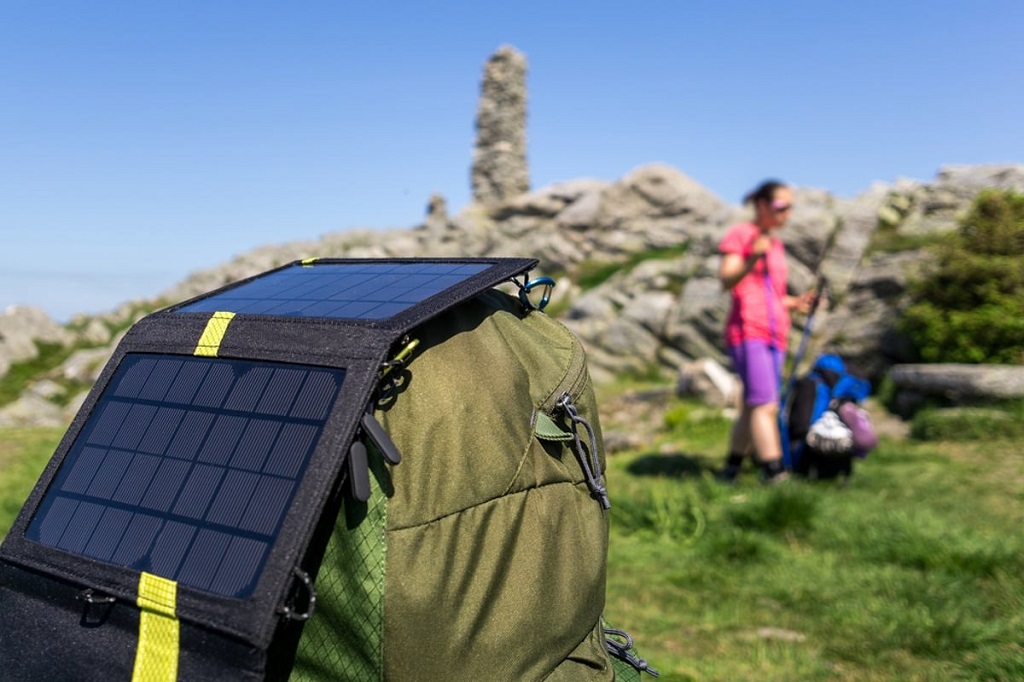
Solar chargers work simple. Sun hits photovoltaic cells. Electrons stir. Current flows. Boom, power.
Key parts matter. Cells decide efficiency. Monocrystalline ones lead at 20-25% conversion. They pack tight. Polycrystalline saves cash but lags at 15-18%.
Output ratings guide buys. Watts measure max power. A 28W unit like BigBlue delivers 5V/4.8A total. Split across USB ports. Charge two phones at once.
Ports vary. USB-A handles basics. USB-C boosts speed for modern devices. Some add DC for lights.
Batteries integrate smart. Built-in ones store juice. Use at dusk. External banks pair better. They hold more. Goal Zero Nomad shines here.
Efficiency tricks help. MPPT controllers tweak flow. They grab 30% more in shade. 2025 models use perovskite cells. They hit 30% in labs.
Real math: Phone needs 10-15Wh per charge. Four peak sun hours yield 40Wh from 10W panel. Covers three phones. Adjust for angle and clouds. Face south at 30 degrees. Gain 20%.
Trail test: On a Sierra loop, my 14W FlexSolar topped a 5,000mAh bank in six hours. Enough for GPS and tunes.
Tech evolves fast. AI now predicts sun. It shifts charge rates. Your pack stays ahead.
Top Solar-Powered Chargers for 2025 Backpacking
Picks abound. We tested 2025 releases. Focus on weight, output, and trail fit. All under 2 pounds. No bulk.
BigBlue 28W USB Solar Charger: Powerhouse Pick
This folds to book size. Weighs 1.3 pounds. Three USB ports pump 2.4A each. SunGuard tech stops overheat.
Pros:
- Charges three devices fast.
- ETFE coating shrugs rain.
- Clips easy to packs.
In tests, it filled a 10,000mAh bank in five hours. Ideal for group hikes.
Story time. Trail runner Sarah clipped it on her AT thru. “Kept my watch and phone humming. No lows.”
BioLite SolarPanel 10+: Integrated Smart
10W panel with 3,200mAh battery. Total weight: 13 ounces. Kickstand angles perfect. App tracks charge.
Pros:
- Stores for night use.
- Ultralight for solos.
- Waterproof IPX4.
Output: 1A steady. Good for GPS. A 2025 update added USB-C.
Hiker Mike on PCT: “Saved my InReach during storms. Battery bridged clouds.”
FlexSolar 14W Mini: Ultralight Champ
Just 9 ounces. Folds tiny. Two USB-A ports. 21% efficiency shines in partial sun.
Pros:
- Feather light.
- Grommets for hanging.
- Affordable entry.
Tests show 3.5W real output. Tops phones slow but sure.
Backpacker Jess: “On JMT, it trickled charge while I walked. Zero extra ounces felt.”
Goal Zero Nomad 10: Rugged Reliable
10W with 7.5W output. 13 ounces. Chains to stations. DC port for extras.
Pros:
- Tough build.
- Multi-connector.
- Sun tracking stand.
Vets praise durability. One Alaska trekker: “Survived bears and rain. Powered camp all week.”
Anker PowerPort 21W: Speed Demon
Dual USB. 21W peak. 12 ounces. QuickCharge tech halves times.
Pros:
- Fast for big batteries.
- Compact fold.
- Overcharge protect.
Review: Charged iPhone in 2 hours full sun. Great for photographers.
Compare in table:
| Model | Weight (oz) | Output (W) | Ports | Best For |
| BigBlue 28W | 20.8 | 28 | 3 USB | Groups |
| BioLite 10+ | 13 | 10 | 1 USB | Solos |
| FlexSolar 14W | 9 | 14 | 2 USB | Ultralight |
| Goal Zero 10 | 13 | 10 | USB/DC | Durability |
| Anker 21W | 12 | 21 | 2 USB | Speed |
Match your needs. Weigh trade-offs.
Setup and Usage: Trail-Tested Tips
Clip it right. Hang on shoulder straps. Face sun. Gain 15% more juice.
Steps to charge:
- Unfold panel fully.
- Angle at sun’s path. Use kickstand.
- Plug bank first. Not direct to phone.
- Check indicator lights.
- Stow at dusk.
On-move hacks. Attach to external frame. Let it ride. Partial shade? Rotate hourly.
Night bridge. Pre-charge banks at camp. Use stored power.
Weather woes. Clouds cut 50%. Plan buffers. Rain? Seal in bag.
Maintenance simple. Wipe dust. Avoid creases. Store dry.
Case: Colorado 10-dayer. Clouds day three. My Nomad still added 20% daily via bank trickle.
Pro tip: Track wh/mAh needs. Phone: 3,000mAh. GPS: 2,000. Scale panel size.
Green Side: Solar vs. Batteries on the Trail
Solar wins eco round. Batteries pile landfills. One hiker dumps 10 AAs per trip. Multiply by millions.
Solar lasts. Panels endure 1,000 cycles. No toxics leach.
Life cycle view. Springer study: Solar chargers cut CO2 40% over batteries. Mining hurts both. But solar reuses energy.
Trail impact low. No litter. Leave No Trace loves it.
Hiker quote: “Switched solar. Cut my waste by half. Feels good.”
Advanced Tricks for Long Hauls
Daisy chain panels. Double output. Weights add, though.
Hybrid setups. Solar plus hand-crank. Covers all.
App smarts. BioLite links to phone. Predicts yield.
Storage hacks. Internal pouches hold cords.
For thru-hikes. Rotate two banks. Solar tops one daily.
Example: CDT section. 14 days. 28W panel plus 20,000mAh total. Zero resupply power.
Related Topics: Zen Spa Corner in a Small Apartment
Wrap-Up: Charge Your Next Adventure
Solar-powered chargers for backpacking deliver freedom. They lighten loads. Boost green cred. Top models like BigBlue and BioLite prove reliable.
Key takeaway: Match output to needs. Start small. Test pre-trip.
Ready? Grab a panel. Clip it on. Hike bolder. Share your trail wins below. What’s your go-to charger?
Related Topics: How to Remove Linoleum Flooring
FAQs
What Makes a Good Solar Charger for Backpacking?
Look for under 1 pound weight. 10-28W output. Multiple ports. Waterproof build. Efficiency over 20%.
How Long Does a Solar Charger Take to Charge a Phone?
In full sun, 2-4 hours for 3,000mAh. Clouds add time. Use banks for steady flow.
Can Solar Chargers Work in Shade or Clouds?
Yes, but output drops 50-70%. Partial sun gives trickle. Pair with storage.
Are Solar Chargers Worth the Extra Weight?
For trips over 5 days, yes. They save battery bulk. Ultralight models add little.
How Do I Maintain My Solar Charger on the Trail?
Wipe clean daily. Store flat. Avoid extreme bends. Dry after wet.