If your home uses a septic tank, the kitchen sink is not just a drain—it is part of a biological treatment system. That makes a simple question surprisingly important: can biodegradable dish soap go down the sink without upsetting the system?
In most homes, ordinary dishwashing soap is used in small amounts and a properly functioning septic system can tolerate limited soap and detergent residue. But “biodegradable” does not automatically mean “safe in unlimited quantities,” and it is not a substitute for sensible septic maintenance. The U.S. Environmental Protection Agency describes septic systems as biological systems in which microorganisms help treat wastewater, and extension guidance likewise emphasizes limiting harmful chemicals and unnecessary solids.
The best answer is therefore conditional: a biodegradable dish soap can be a reasonable choice for a septic household when the specific product is designed for dishwashing, used as directed, and compatible with your system. Here is how to evaluate that choice without falling for vague septic-safe claims. Our guide to eco-friendly cleaning products covers the wider category.
How Septic Systems Handle Household Wastewater
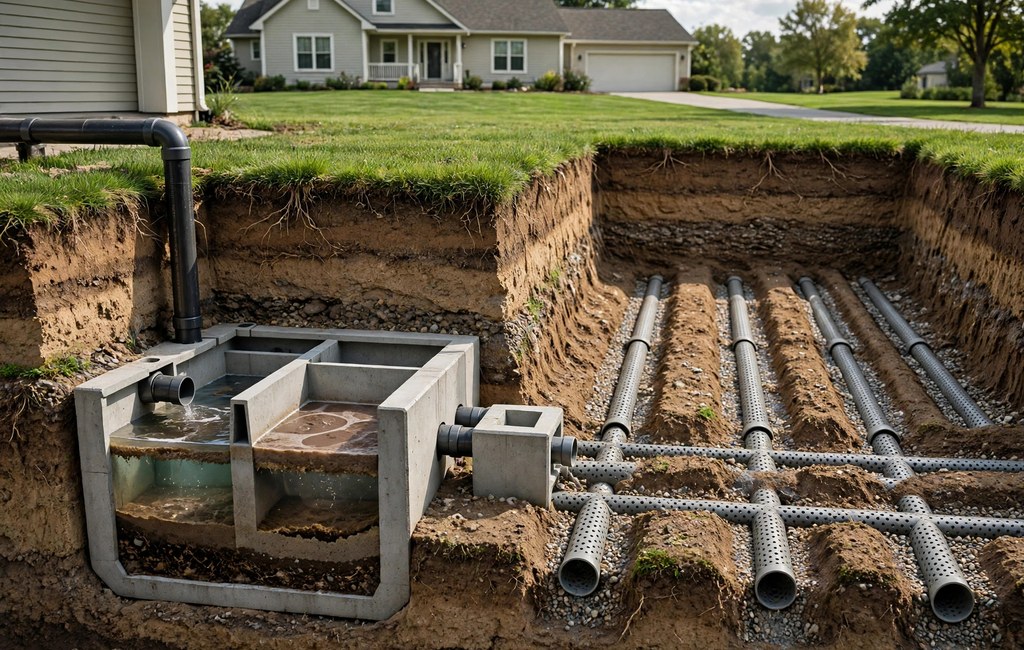
A conventional septic system separates and treats wastewater through a tank and soil absorption area. Solids settle, liquid effluent moves onward, and microorganisms help break down organic material. Because the process depends on biology, what goes down the drain matters.
EPA guidance warns against sending household hazardous chemicals such as solvents, paints, pesticides, gasoline, and large quantities of toxic cleaners into a septic system. At the same time, the agency notes that septic bacteria can generally recover from small amounts of household cleaning products. That distinction is important: the goal is not to keep the septic tank chemically sterile; it is to avoid materials and quantities that interfere with biological treatment.
Dish soap is part of normal household wastewater, so the practical goal is moderation and compatibility. A mild dishwashing liquid used at its intended dose is very different from pouring concentrated cleaners, disinfectants, solvents, or drain chemicals into the tank.
Does Biodegradable Mean Septic-Safe?
Not necessarily. Biodegradable tells you that a material can break down under defined conditions; it does not automatically prove that a particular product is ideal for every septic configuration.
A septic-safe product should be considered in context. First, verify that the manufacturer specifically identifies the dishwashing liquid as compatible with septic systems. Second, look at the formula and avoid products that are designed for a different purpose, especially harsh drain cleaners, concentrated solvents, or specialty chemicals. Third, follow the dosage directions.
The word “biodegradable” is still useful. Faster degradation and lower aquatic toxicity are desirable environmental properties, and EPA’s Safer Choice program evaluates surfactants using both biodegradation and aquatic toxicity criteria. But septic performance is a separate practical question.
This distinction is one of the biggest information gaps in many articles about biodegradable soap: they treat biodegradability as a universal safety certificate. It is not. A better buying decision combines environmental evidence, product instructions, and septic-system guidance.
What Ingredients Should Septic Owners Pay Attention To?
You do not need to memorize a giant list of “bad chemicals” to protect a septic system. Focus on product function and quantity.
Avoid putting hazardous household chemicals down the drain. EPA specifically identifies substances such as gasoline, oil, pesticides, antifreeze, paints, solvents, and large volumes of toxic cleaners as potential threats to biological treatment or groundwater. Extension guidance also warns about bleach, drain cleaners, and similar products that can harm beneficial bacteria.
For everyday dish soap, the more practical questions are whether the product is intended for hand dishwashing, whether it is labeled septic-compatible, and whether you can use a small amount effectively.
Fragrance and preservatives are more complicated. A product can contain a preservative and still be acceptable for septic use; the presence of a preservative does not automatically make it septic-toxic. Likewise, plant-derived does not automatically guarantee compatibility.
If your system is unusually sensitive, has an aerated treatment unit, greywater component, or manufacturer-specific restrictions, follow the system documentation or ask the installer/service professional before changing products.
What About Phosphates, Antibacterial Ingredients, and Harsh Cleaners?
Phosphates are worth understanding because they can contribute to nutrient pollution when released into waterways, which is one reason modern environmental standards pay attention to them. EPA’s Safer Choice program excludes inorganic phosphate builders from certified products.
Antibacterial or disinfecting chemistry deserves more caution than ordinary dishwashing detergent because it can be designed specifically to kill microorganisms. A septic tank, however, relies on microorganisms for treatment. That does not mean every antimicrobial ingredient will destroy a septic system, but it does mean there is little reason to use a strong disinfecting product when a normal dishwashing formula will do the job.
Drain cleaners are another category entirely. Do not treat a dish soap question as permission to send other cleaning chemicals down the same drain. Septic maintenance is easier when the household separates routine cleaning from hazardous chemical disposal.
Is Seventh Generation Dish Soap Safe for Septic Systems?
If you are researching a Seventh Generation dish soap review, the important detail is that the brand’s current product pages state that its dish liquid is safe for septic systems. The cited Seventh Generation dish liquid pages also show EPA Safer Choice certification and plant-derived or biobased claims, depending on the formulation.
That makes the product a useful example of why shoppers should inspect the actual product page rather than relying on a generic brand reputation. Seventh Generation has multiple dish liquid formulations, and ingredient lists vary by scent and version. The Free & Clear formula, for example, is presented as fragrance-free and 95% USDA Certified Biobased, while scented formulas contain different fragrance components.
For a septic household, the takeaway is simple: use the exact product according to its label and avoid assuming that every household cleaner from the same brand has the same septic profile. A dish liquid labeled septic-safe is not equivalent to a drain cleaner, bleach product, or specialty disinfectant.
How Much Dish Soap Is Too Much?
There is no universal household tablespoon limit that applies to every septic system and every product. The safest approach is to use the amount specified by the manufacturer and avoid habitual over-pouring.
Overuse also creates a performance problem. More soap does not necessarily mean cleaner dishes. Excess detergent can create more suds and require more rinsing, increasing water use and product consumption. For septic owners, efficient water use matters because excess wastewater can place additional hydraulic load on the system.
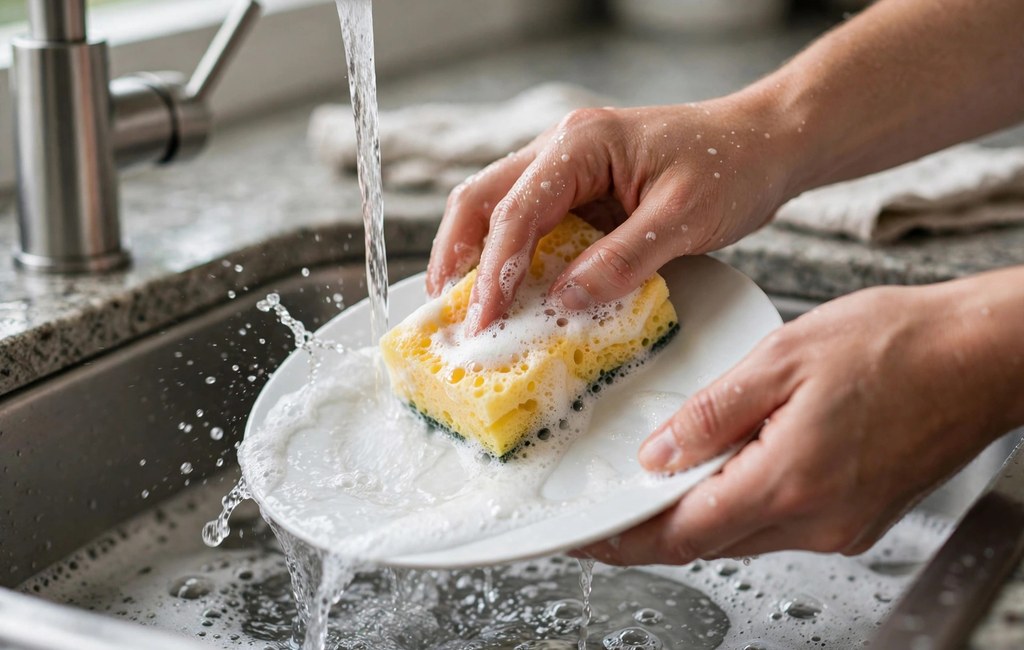
A useful habit is to dispense a small amount onto a sponge or directly onto the dish, rather than filling the sink with a large concentration unless the product instructions call for it. Scrape food into the appropriate waste stream before washing, and never pour cooking grease or oils into the septic system. Penn State Extension specifically lists fats, oils, and greases among materials that should stay out of septic systems.
A Septic-Safe Dishwashing Routine
Choosing the right soap is only one part of protecting a septic system. A better routine includes several small habits:
Scrape first. Remove food scraps before washing. This reduces solids entering the wastewater stream.
Keep grease out. Fat, oil, and grease can create plumbing and drainfield problems. Collect cooking oil separately instead of rinsing it down the sink.
Use soap efficiently. Follow the product dose rather than adding more because a sink looks dirty.
Conserve water. EPA septic guidance emphasizes efficient water use because excessive flow can stress the system.
Avoid hazardous chemicals. Never use the kitchen drain as a disposal route for paint, solvents, pesticides, gasoline, or similar materials.
Maintain the system. Regular inspection and pumping remain important. No dish soap can replace routine septic maintenance.
This approach is more reliable than chasing a single “perfect” green product.
What Should You Look for When Buying Dish Soap for a Septic Home?
Use this checklist before buying:
- A clear statement that the product is suitable for septic systems.
- A formula intended for hand dishwashing.
- Biodegradable or readily biodegradable ingredients where credible evidence is available.
- Lower concern for aquatic toxicity.
- No unnecessary disinfecting or harsh-cleaner positioning.
- Clear ingredient disclosure.
- Reasonable concentration so you can clean effectively with a small dose.
- Packaging that reduces waste without encouraging overuse. Switching to zero-waste dish soap cuts that packaging further.
If two products look similar, choose the one with stronger documentation rather than the one with the louder green marketing. Knowing how green marketing vs greenwashing works makes that comparison easier.
This is also useful when planning other low-impact household activities. The same principle behind sustainable party ideas applies here: reduce waste at the source, use only what you need, and choose products based on evidence rather than appearance.
FAQs About Biodegradable Dish Soap and Septic Systems
Is biodegradable dish soap always safe for septic tanks?
No. Biodegradable describes breakdown, not universal septic compatibility. Check the product’s septic guidance and use it as directed.
Can I use normal dish soap with a septic system?
Many households do, and septic systems can tolerate limited amounts of soap and detergent residue. Avoid excessive use and keep hazardous chemicals, grease, and oils out of the system.
Is plant-based dish soap better for septic systems?
Plant-based sourcing does not automatically determine septic compatibility. Look for a product specifically identified as septic-safe and consider its broader environmental profile.
Is Seventh Generation dish soap septic-safe?
The Seventh Generation dish liquid product pages reviewed for this article state that the dish liquid is safe for septic systems. Always verify the current label for the exact formulation you buy.
Should I use antibacterial dish soap with a septic tank?
There is usually no need to use a disinfecting dish product for ordinary dishwashing. If you need a specialized product, follow its label and your septic-system guidance.
Can grease damage a septic system?
Yes. Fats, oils, and grease can contribute to plumbing and drainfield problems. Scrape and collect them rather than washing them down the drain.
Conclusion: Biodegradable Helps, but Good Septic Habits Matter More
A biodegradable dish soap can be a sensible choice for a septic home, but the word biodegradable should never be treated as a blank check. Septic systems are biological treatment systems, so moderation, water efficiency, correct product use, and responsible disposal all matter.
Choose a dishwashing liquid with clear septic guidance, credible environmental information, and a formula you can use efficiently. If you also run a dishwasher, compare eco-friendly dishwasher detergent options too. Then protect the system by keeping hazardous chemicals, grease, and unnecessary waste out of the drain and maintaining the tank on schedule.
If you are choosing a new product today, compare two or three formulas side by side and check the exact manufacturer instructions. The best septic-safe choice is the one that cleans effectively without asking your wastewater system to handle more than it needs to.