Picture this: You flush the toilet, and instead of a mighty whoosh, you hear a gentle swirl that clears everything away. No splash, no waste—just clean efficiency. That’s the quiet revolution of low-flow toilets. These smart fixtures use 1.6 gallons or less per flush, a sharp drop from the old 3-to-7-gallon models that guzzled water like it grew on trees.
Homeowners love them for good reason. They tackle everyday needs while guarding precious resources. But why install one now? Start with the numbers. The U.S. Environmental Protection Agency reports that swapping an old toilet for a WaterSense-labeled low-flow model saves the average family nearly 13,000 gallons of water yearly. That’s enough to fill a backyard pool twice over. Plus, Consumer Reports notes a potential $170 annual drop in water bills, totaling $3,400 over the toilet’s life.
These stats come straight from trusted sources like the EPA and rigorous lab tests. They show real impact, not hype. In a world facing droughts and rising utility costs, low-flow toilet installation offers clear wins. Let’s dive into why this simple swap transforms bathrooms and beyond.
Why Low-Flow Toilets Matter Today
Low-flow toilets hit the scene in the 1990s amid water scarcity worries. Back then, they faced skepticism. Early versions sometimes clogged or needed double flushes. But tech leaped forward. Today’s models pack power through better bowl shapes, pressure assists, and dual-flush options.
Consider Sarah, a Seattle homeowner from a recent case study. Her 1980s house flushed away 5 gallons each time. She switched to a 1.28-gallon dual-flush unit. Within a year, her water use dropped 40%, and her bills fell noticeably. Stories like hers pop up nationwide, backed by EPA data showing nationwide savings of 260 billion gallons if all old toilets upgrade.
These toilets fit any home. From cozy apartments to sprawling estates, they blend style and smarts. Elongated bowls add comfort. Wall-mount designs free up floor space. And with WaterSense certification, you know they perform without tricks.
The push grows stronger. States like California mandate 1.28 gallons max for new builds. Rebates from utilities sweeten the deal. Installing one isn’t just smart—it’s timely. It cuts your footprint while future-proofing your home against tighter regs.
Key Benefits of Low-Flow Toilet Installation
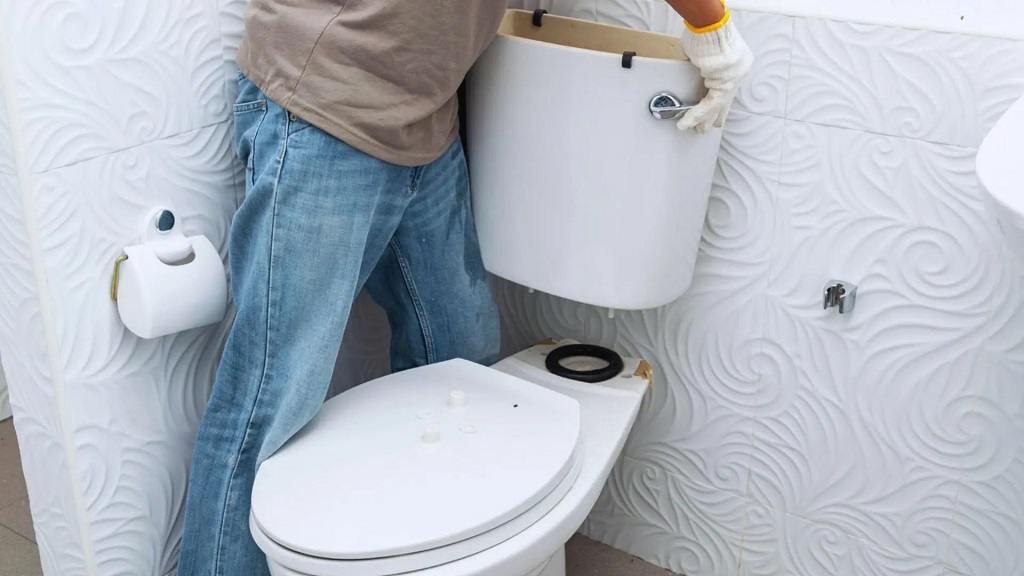
Low-flow toilet installation delivers wins across the board. You gain efficiency, savings, and peace of mind. Let’s break them down.
Massive Water Savings
Water is gold in dry spells. Low-flow toilets sip it sparingly. A standard flush uses 1.6 gallons; high-efficiency ones dip to 1.28 or less. For a family of four flushing five times daily, that’s 16,000 gallons saved yearly, per plumbing experts.
Think global. If every U.S. home upgraded, we’d spare 520 billion gallons annually—Niagara Falls flow for 12 days. Dual-flush models shine here. They offer 0.8 gallons for light loads, 1.6 for solids. Sarah’s Seattle switch? It halved her household’s toilet water use overnight.
In arid spots like Texas or Arizona, these savings ease strain on aquifers. Cities report fewer restrictions during droughts. Your install contributes to that bigger picture.
Lower Utility Bills Over Time
Savings hit your wallet fast. The EPA pegs annual reductions at $90 to $170 per toilet. Over 20 years, that’s $1,800 to $3,400 back in your pocket. Long-term studies confirm it. A 2024 market report projects the water-saving toilet sector growing to $9.5 billion by 2032, driven by these gains.
Factor in energy. Less water means less pumping and heating. Households cut 20% off bills overall. In high-rate areas like California, one install pays for itself in under two years. Tom’s family in Denver tracked theirs: $120 saved first year, rising with rates.
Environmental Wins You Can Feel Good About
Every flush affects rivers, wildlife, and climate. Low-flow models curb wastewater by 20-60%. Less treatment eases plant loads, cutting energy use and emissions. A Princeton study shows dual-flush units slash consumption by 67% versus old gravity models.
Case in point: Austin’s ultra-low-flow demo. The city replaced 500 units, saving 20 million gallons yearly while shrinking sewer sludge. Biodiversity benefits too. Reduced runoff keeps chemicals from streams. Your bathroom choice ripples out—fewer greenhouse gases, healthier ecosystems.
Boosted Home Value and Comfort
Modern low-flow toilets look sharp. Sleek lines, soft-close seats, bidet add-ons—they elevate bathrooms. Realtors note eco-upgrades like these lift resale by 1-2%. Buyers seek green features; yours stands out.
Comfort amps up. Quieter flushes avoid wake-the-baby roars. Better rims prevent splashes. A UK campus study swapped 119 old toilets for ultra-low-flow. Users reported cleaner bowls and fewer clogs, with daily savings over £36.
Health perks follow. Less mold from efficient drying. Antimicrobial glazes fight germs. Families breathe easier, literally.
Busting Myths About Low-Flow Toilets
Old tales linger. Let’s clear the air with facts.
Myth 1: They clog easily. Early 1990s models did. But WaterSense tests prove modern ones clear waste in one go 90% of the time. Wider trapways and siphon jets handle business.
Myth 2: Weak flushes mean doubles. Nope. Consumer Reports labs flush everything from sponges to condoms—top models ace it single-flush. Pressure-assist tech packs punch.
Myth 3: They harm pipes. False. They meet codes and flow just right, avoiding backups. San Francisco worried once, but upgrades smoothed it.
Myth 4: Too pricey upfront. Initial outlay matches standards, and rebates cut it. Long-term? Pure profit.
These myths stem from outdated tech. Today’s reality? Reliable power in a green package.
How to Choose the Right Low-Flow Toilet
Picking one starts with needs. Measure your space—standard or elongated bowl? Corner fit for tight spots?
Look for WaterSense labels. They guarantee 1.6 gallons max, strong performance. Dual-flush saves extra: 0.8/1.6 gallons.
Flush types matter:
- Gravity-fed: Quiet, affordable. Water weight does the work.
- Pressure-assisted: Mighty flush, louder. Great for big loads.
- Dual-flush: Versatile, user choice.
Brands shine. Kohler’s Veil offers sleek walls. Toto’s Drake dual-flushes like a champ. Check MaP scores—over 800 grams cleared means top-tier.
Style fits all: Matte black for modern vibes, white for classic. Comfort height eases backs. Bidet combos add luxury.
Test in stores. Flush, sit, feel. Read reviews for real talk. Your pick should thrill, not just function.
Step-by-Step Guide to Low-Flow Toilet Installation
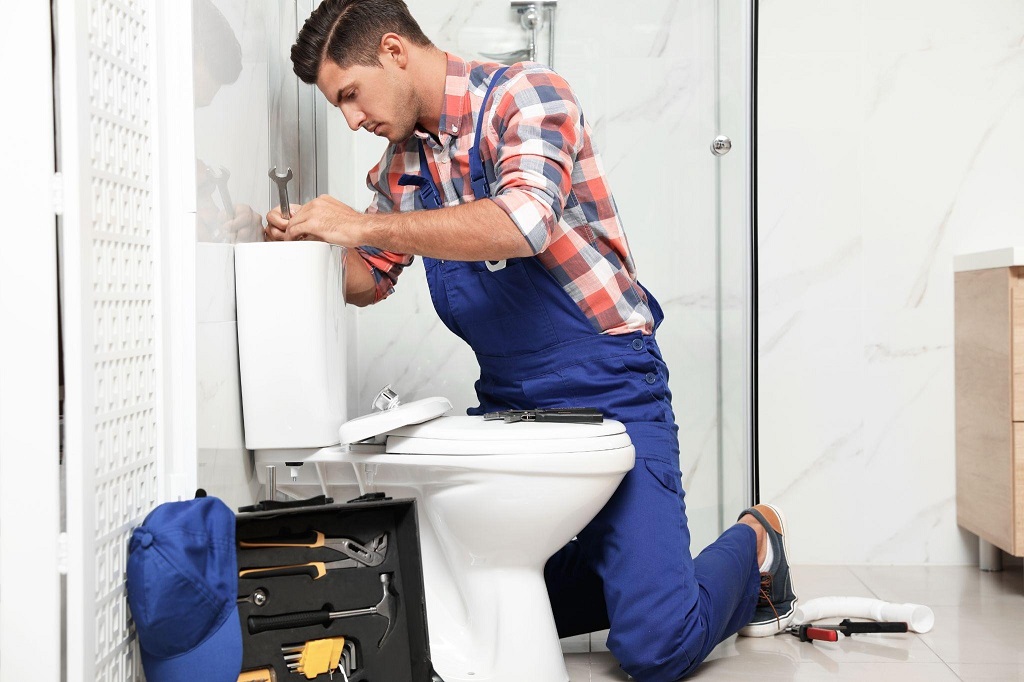
Ready to DIY? Most handle it in 2-3 hours. Grab tools: wrench, putty knife, gloves, new wax ring, bolts.
Preparation
- Shut off water at the valve. Flush to empty tank. Sponge out leftovers.
- Disconnect supply line. Remove old seat.
- Unscrew floor bolts. Rock bowl loose. Lift away—two-person job.
Removal
- Scrape old wax from flange. Plug drain with rag.
- Pry off bolts if stuck.
New Install
- Set new bolts in flange slots.
- Press wax ring onto outlet. Add rubber sleeve if needed.
- Align bowl over bolts. Lower straight. Sit to seal—key step.
- Tighten nuts snug, not overtight. Trim excess bolts.
- Reattach tank per manual. Connect water line.
- Caulk base edges. Turn water on. Flush-test for leaks.
Pro tip: Level the bowl first. If unsure, call a plumber. Success feels great—your first green flush awaits.
Maintenance Tips for Long-Lasting Performance
Keep it humming. Clean monthly with vinegar—natural shine, no streaks. Check flapper yearly; replace if slow.
Avoid flushes of wipes or toys. They clog any toilet. For dual-flush, use light mode wisely.
Winter prep: Insulate pipes against freezes. Annual pro check catches issues early.
Track savings. Apps log usage. Tweak as needed—your toilet thanks you.
Real-Life Case Studies: Success Stories
Take the Streatham Campus trial. 119 ultra-low-flow installs cut flows, saved £12,500 yearly, and eased sewer strain. No major blocks after months.
In Tampa, residential swaps dropped use 1.7 gallons per person daily. Families reported crisper flushes, lower bills.
A Princeton dorm study? Dual-flush units saved 4,000 gallons per toilet annually, with zero performance dips.
These tales prove it: Installs work wonders, from homes to halls.
Conclusion
Low-flow toilet installation packs punch. You save 13,000 gallons yearly, trim bills by $170, and shrink your eco-footprint. Myths fade against modern might—no clogs, just clean power. From choice to install, it’s straightforward.
Pick your model. Gather tools. Make the swap. Your wallet and planet win big.
Ready? Schedule that upgrade today. Flush smarter, live greener.
Related Topics: How to Remove Linoleum Flooring
FAQs
What Is a Low-Flow Toilet?
A low-flow toilet uses 1.6 gallons or less per flush. It cuts water waste while keeping strong performance. WaterSense models lead the pack.
Do Low-Flow Toilets Really Save Water?
Yes. They slash use by 20-60%. A family saves 13,000 gallons yearly, per EPA stats.
Are Low-Flow Toilets Prone to Clogging?
Not anymore. Modern designs clear 800+ grams of waste easily. Use right, and issues stay rare.
How Hard Is Low-Flow Toilet Installation?
DIY-friendly for basics. Takes 2 hours with tools. Pros handle tricky spots fast.
Can Any Home Use Low-Flow Toilets?
Most yes. They fit old pipes. Check local codes for seamless swaps.
Related Topics: Green Building Flooring