Picture this. You stand in your kitchen. The old fridge hums like a tired bee. It guzzles power and spikes your bills. Then you spot it: the Energy Star label on a sleek new model. That simple blue logo promises less waste and more savings. Energy Star appliances cut energy use without skimping on features. They keep food cold, clothes clean, and homes comfy while trimming your utility costs.
The U.S. Environmental Protection Agency runs the Energy Star program since 1992. It sets tough standards for efficiency. Products earn the label only after tests prove they save power. Rebates sweeten the deal. These cash backs come from utilities, states, and feds to nudge you toward green choices.
Consider the numbers. A typical household saves about $450 each year on energy bills by picking Energy Star gear, according to EPA data. Since the program’s start, it has slashed over 4 billion metric tons of greenhouse gases. That’s like pulling 855 million cars off roads for a year. Another stat: Households with these appliances avoid $500 billion in total energy costs over time. You grab real value here. Not just lower bills, but a lighter footprint on the planet.
This guide walks you through finding those rebates. We cover steps, tools, and tips. You learn what qualifies and how to claim cash. Ready to upgrade smart? Let’s dive in.
Why Chase Energy Star Appliance Rebates?
Rebates turn good buys into great ones. They offset upfront costs for efficient models. You save now and later. Think of it as a win-win for your wallet and the world.
Energy Star appliances shine in daily life. A certified fridge uses 15% less electricity than standard ones. That adds up. Over its life, it might save you $200 or more. Washers gulp 25% less energy and 45% less water. Dryers with heat pumps cut use by 28%. These aren’t gimmicks. Independent labs verify every claim.
Benefits stack high. First, slash bills. The EPA notes average homes drop energy spend by 10-20% with key swaps. Second, boost home value. Green features appeal to buyers. A 2023 study from Lawrence Berkeley National Lab shows efficient homes sell faster and for 2-3% more. Third, ease the grid. Less demand means fewer blackouts in hot summers.
Rebates amplify this. Utilities offer them to cut peak loads. States tap federal funds like the Inflation Reduction Act. That 2022 law pours billions into efficiency. By 2025, programs roll out nationwide. Expect up to $8,000 back for heat pumps or $1,750 for water heaters. Not every rebate hits that high. Many give $25-300 per item. Still, they pay off quick.
Take Sarah from Michigan. She swapped her washer last year. A $50 rebate from Consumers Energy covered half the extra cost. Now, her monthly bill dips $10. Small change, big habit. Stories like hers prove rebates work. They spark upgrades that last.
Don’t sleep on these. Programs fill fast. Deadlines loom, like December 31, 2025, for many. Act soon. You deserve the savings.
What Appliances Qualify for Energy Star Rebates?

Not every gadget makes the cut. Energy Star tags go to proven performers. Focus on big hitters in your home. They deliver the most bang.
Start with the kitchen. Refrigerators top the list. Models over 13.9 cubic feet qualify if they sip under 500 kWh yearly. Look for ones with LED lights and smart sensors. Dishwashers earn the label by using 30% less water and energy. They run quieter too.
Laundry room next. Clothes washers shine. Energy Star versions handle loads with 25% less power. Front-loaders often lead. Dryers follow suit. Electric ones save 20% over basics. Heat pump dryers push that to 28%. Bonus: They vent less heat into your space.
Water heaters count big. Heat pump models qualify easily. They pull warmth from air, cutting electric use by 60%. Gas ones with high efficiency ratings work too. Dehumidifiers and room ACs round out the pack. Certified dehumidifiers remove moisture with 13% less juice.
Pool owners, listen up. Variable speed pumps earn rebates. They trim energy by 50-70% over singles. Check the full roster on the Energy Star site. Over 70 categories exist. But rebates cluster around home essentials.
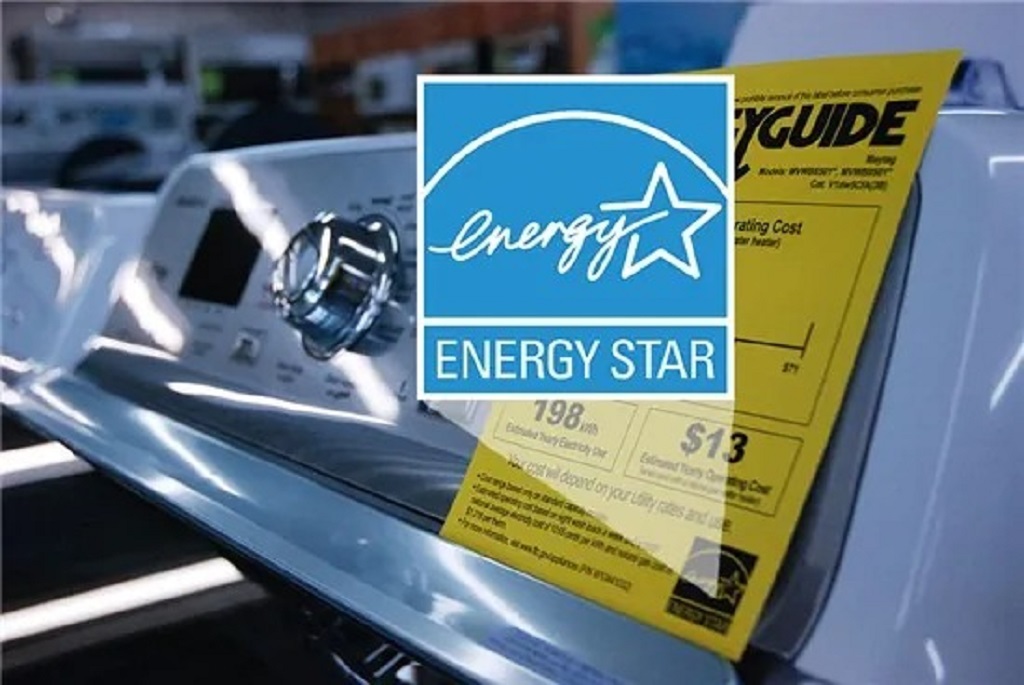
Eligibility hinges on certification. Scan the yellow EnergyGuide label. It shows yearly kWh. Cross-check the model on energystar.gov. Most programs demand proof. Save receipts with serial numbers.
Examples abound. PSEG Long Island rebates $25 on dryers. Otter Tail Power gives $50 for washers. Tallahassee Utilities offers $40-300 based on type. Match your needs. You find options everywhere.
Pro tip: Hunt “Most Efficient” tags. These superstars snag bigger rebates. They beat standard Energy Star by 10-20%. Your home runs smoother. Savings flow steady.
Step-by-Step Guide: How to Find Energy Star Appliance Rebates
Hunting rebates feels like a treasure map. Follow these steps. You uncover deals fast.
Step 1: Pinpoint Your Location
Zip codes rule rebates. They tie to local utilities and states. Grab your five digits. Head to the Energy Star Rebate Finder at energystar.gov/rebate-finder. Punch it in. The tool scans partners nationwide. It lists offers from EPA allies.
Take New York. Enter 10001. You spot PSEG deals on washers. California zip 90210 pulls SoCalGas incentives. Results vary. Some show instant discounts. Others need forms.
Step 2: Scout Utility Websites
Your power provider often leads. Log into their site. Search “rebates” or “Energy Star.” Consumers Energy in Michigan lists washers, dryers, and pumps. OPPD in Nebraska caps at one per type. Note limits. Many run January 1 to December 31, 2025.
Call if stuck. Reps guide you. Ask about stackable offers. Some pair with federal tax credits.
Step 3: Tap State and Federal Resources
States divvy Inflation Reduction Act funds. Visit dsireusa.org. It tracks incentives by state. Search “appliance rebates.” California dreams big with $1,000+ for heat pumps. Texas leans utility-heavy.
Feds shine via energystar.gov/campaigns/tax-credits. The 30% tax credit covers 100% of costs up to caps. Combine with rebates for max impact.
Step 4: Check Retailers and Manufacturers
Big box stores join in. Home Depot or Best Buy flag deals. GE Appliances links to local programs. Scan shelves for “rebate eligible” stickers.
Online? Amazon notes Energy Star. But verify post-buy.
Step 5: Verify and Compare
Cross-check models. Use the Energy Star product finder. Enter type and brand. Confirm certification. Tally savings. A $50 rebate on a $600 washer pays back in months.
Tools help. DSIRE’s calculator estimates returns. Plug in your zip and pick.
Follow these. You snag $100-500 easy. One family in Florida scored $300 on a fridge and pump. Their bill fell 15%. Yours can too.
Applying for Your Rebate: Tips for Smooth Sailing
Found a deal? Apply right. Miss a step, and cash slips away.
Gather docs first. You need the receipt. Highlight model, serial, and date. Snap photos. Programs like PNM demand proof within 120 days.
Go digital where possible. PSE&G’s online form takes minutes. Upload files. Track status via email. Mail-ins work too. Use certified post for backups.
Watch deadlines. Many close December 31, 2025. Peabody Light Plant extends to January 31, 2026. Set reminders.
Common pitfalls? Wrong model. Double-check Energy Star ID. Over limits. Most cap one per type yearly. Leased gear? Skip it. New builds often exclude.
Boost odds. Join newsletters. Energy Star emails updates. Utility apps notify drops.
Post-apply, wait 4-8 weeks. Checks arrive or credits hit bills. Track via portals.
Real talk: Maria in New Jersey fumbled her dryer rebate. Forgot the serial. She resubmitted and got $25 back. Lesson learned. Prep pays.
You handle this. Rewards follow.
State-Specific Spotlights: Where Rebates Vary
America’s patchwork means deals differ. Tailor your hunt.
Northeast shines. Massachusetts via NextZero gives $50-200 on washers and fridges. New York’s PSEG offers $25-100. Connecticut’s UI pushes heat pumps.
Midwest holds strong. Michigan’s Consumers Energy rebates $50-150. Minnesota’s Otter Tail hits $200 for water heaters. Ohio’s AEP Ohio caps at $75 per item.
South heats up. Florida’s Tallahassee Utilities pays $40-300. South Carolina’s Santee Cooper focuses washers and fridges. Texas utilities like Oncor list dozens.
West leads green. California’s TECH Clean California pours thousands into electrification. Colorado’s Xcel Energy rebates $100+ on dryers. Washington’s Puget Sound Energy ties to audits.
Borders blur. Multi-state folks check both. Tools like Rebate Finder bridge gaps.
Case in point: The Smiths in Pennsylvania. They crossed into Jersey for a $30 dryer rebate. Saved extra on gas. Smart moves win.
Know your spot. Dig local. Gold waits.
Case Studies: Real Savings from Real People
Stories beat stats. See rebates in action.
Meet the Johnsons in Iowa. Their 20-year fridge died. They eyed a certified 18-cubic-foot model. MidAmerican Energy offered $50 back. Install day, bills dropped $12 monthly. Over five years, that’s $720 saved. Plus rebate. They recycled the old one free via utility pickup. “Feels good,” says mom Lisa. “Cooler kitchen too.”
Shift to Arizona. Tom upgraded his pool pump. APS Arizona rebated $200. Variable speed cut runtime 60%. His summer bill shaved $150. “Pool stays crisp without the guilt,” he shares. EPA notes such swaps save 2.4% yearly per home.
California couple, the Garcias, went big. Inflation Act funds via Golden State gave $1,200 for a heat pump dryer and water heater. SoCalGas added $100. Energy use fell 40%. “Bills halved,” reports Juan. “Air smells fresher.”
These aren’t outliers. A ScienceDirect study shows $1 rebates boost Energy Star washer shares 0.4%. Cost per ton CO2 saved? $140. Cheap win.
Your tale starts now. Pick one swap. Watch change ripple.
Maximizing Savings: Stack Rebates and Go Green
Don’t stop at one. Layer incentives. You multiply gains.
Pair utility cash with feds. A $100 state rebate plus 30% tax credit? Game-changer for $1,000 appliances. Track via IRS Form 5695.
Audit first. Many programs require it. Home energy checks spot leaks. Consumers Energy bundles $50 credits with buys.
Recycle old gear. Utilities often pay extra. PSE&G hauls free. It cuts landfill waste.
Long-term? Benchmark use. Energy Star’s Portfolio Manager tracks progress. Users save 2.4% yearly, per EPA.
Community angle: Share tips. Neighborhood groups swap rebate intel. One Texas co-op pooled for bulk deals.
Stretch further. Smart strips kill vampire power. Pair with certified TVs for full effect.
The payoff? $39 billion yearly national savings, says Alliance to Save Energy. Your slice grows with stacks.
Common Mistakes to Dodge When Hunting Rebates
Pitfalls trip folks. Sidestep them.
Buy first, check later. Always scout rebates pre-purchase. Models change.
Ignore locals. Feds grab headlines, but utilities pay quick.
Overlook proofs. Serials and IDs matter. File neat.
Miss combos. Tax credits stack. Read fine print.
Rush forms. Typos delay. Proofread.
Forget limits. One per household often rules.
Learn from Lisa in Ohio. She skipped the audit. Lost $200 eligibility. Now she plans ahead.
Stay sharp. You claim every dollar.
The Future of Energy Star Rebates in 2025 and Beyond
Trends point up. Inflation Act rolls full steam by 2025. States launch point-of-sale rebates. Instant cash at checkout.
Electrification surges. More for EVs, but appliances follow. Heat pump stoves? Coming soon.
Tech integrates. Apps scan labels for deals. AI predicts savings.
Challenges loom. Funding caps fill programs. Apply early.
Optimism rules. EPA aims for 5% more certified homes yearly. You join the wave.
Conclusion
You now hold the map to Energy Star appliance rebates. Start with your zip on the Rebate Finder. Scout utilities and states. Pick certified gear. Apply clean. Stack for max.
Savings hit $450 yearly easy. Bills drop. Planet thanks you. Stories like the Johnsons show it works.
Take action today. Visit energystar.gov. Enter your code. Find one deal. Upgrade tomorrow. Your home runs greener. You win big.
Related Topics: DIY Rainwater Harvesting Barrel System
FAQs
What is the Energy Star label?
The Energy Star label marks products that meet EPA efficiency standards. It ensures 10-50% less energy use than basics. Look for it on fridges, washers, and more.
How much can I save with these rebates?
Rebates range $25-300 per item typically. Combined with efficiency, expect $100-500 yearly bill cuts. Lifetime savings top thousands.
Do all states offer appliance rebates?
Most do, via utilities or state funds. Use DSIRE or Rebate Finder to check. Coverage grows with federal pushes.
Can renters get Energy Star rebates?
Many programs allow it. Check utility rules. Portable items like dehumidifiers qualify easy.
How long does rebate processing take?
Expect 4-8 weeks. Digital apps speed it. Track online for peace.
Related Topics: Install a Wooden Countertop in Your Kitchen