Picture this. You pull a fresh load from the dryer. Your favorite towel feels fluffy. No static shocks greet you. Clothes dry quicker than usual. All without a whiff of chemical scents. This scene plays out in homes across the country. Yet many folks still grab those single-use dryer sheets. Why? Habit. But dryer balls change the game. They tumble with your laundry, boost air flow, soften fabrics naturally.
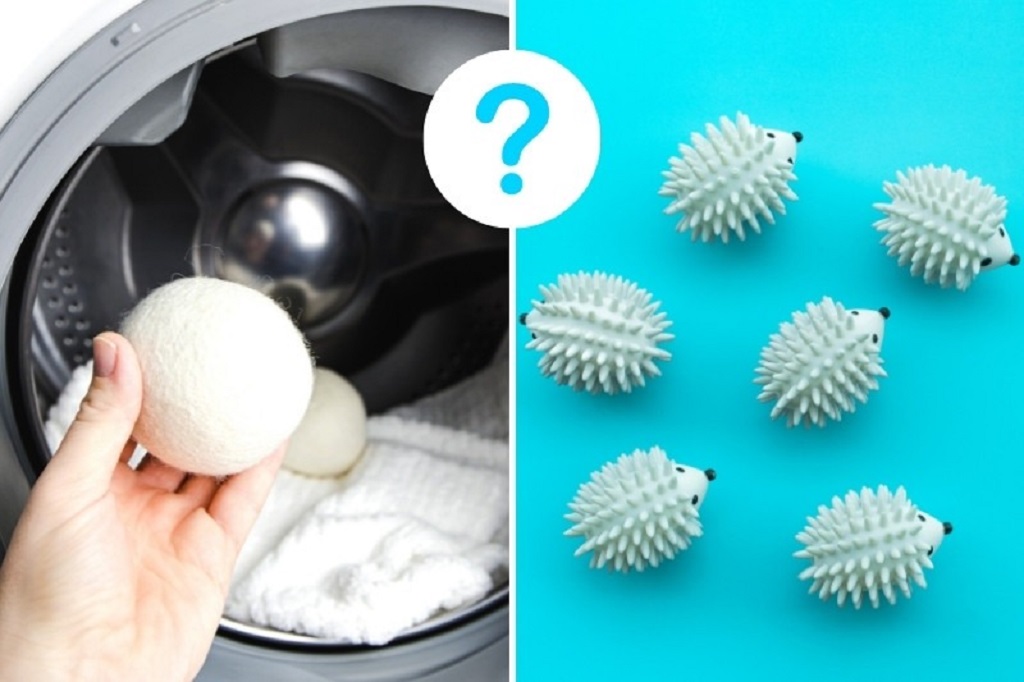
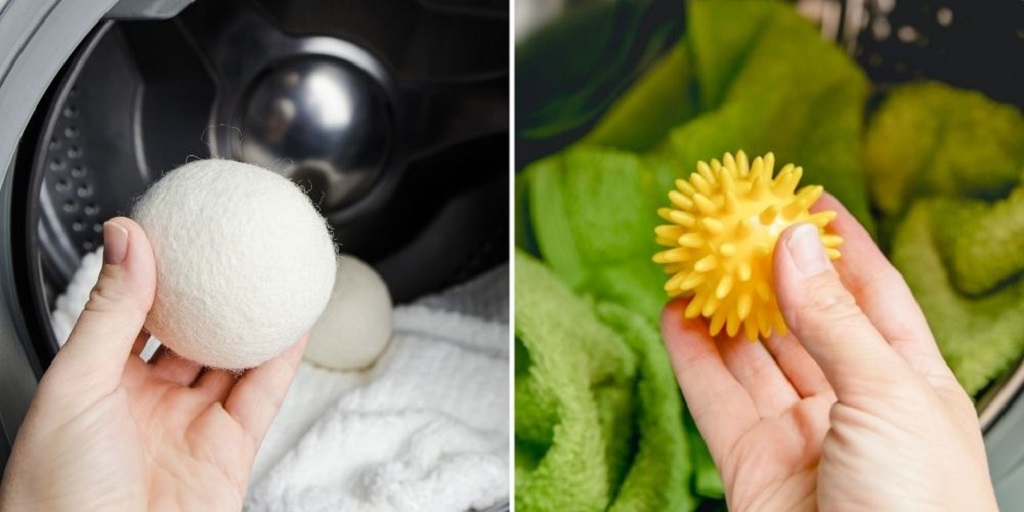
Dryer balls come in two main flavors: wool and plastic. Wool ones draw from nature’s own toolkit. They absorb moisture like a sponge. Plastic versions rely on spikes for separation. Both beat traditional softeners. They cut waste. They save time. But which fits your routine? We dive deep here. We pull from real tests and user stories. You get clear facts. You make smart picks.
Let’s back this up with numbers. The U.S. Department of Energy notes dryers guzzle 6% of household electricity. That’s big. A study from Consumer Reports found dryer balls slash drying time by up to 25%. Wool leads the pack here. They wick away dampness fast. Plastic holds its own too. But wool edges out in softness tests. Another stat: Households toss 11.2 billion dryer sheets yearly, per EPA estimates. Balls last for 1,000 loads. That’s real savings. And less trash.
What Are Dryer Balls and How Do They Work?
Dryer balls transform a mundane chore into something efficient. Think of them as tiny helpers in your machine. They bounce around with wet clothes. This action keeps items apart. Air circulates better. Heat hits every corner. Result? Faster dry times. Softer feel. Less static cling.
The magic starts with separation. Wet laundry clumps. That traps moisture. Balls prevent this. They create space. Hot air flows free. Studies show this boosts efficiency. One from Popular Mechanics tested plastic balls. They mixed into loads. Speeds differed from fabrics. Deceleration happened quick. This tumbling action fluffs fibers too. No chemicals needed.
Wool dryer balls add a twist. They absorb water. Then release it slowly. This evens out drying. Plastic ones use ridges or spikes. They lift and divide clothes. Both reduce wrinkles. Both grab lint mid-cycle. Users report cleaner traps. Less buildup means safer runs.
Take Sarah’s story. She runs a busy family home in Seattle. “I added wool balls last year. Towels dried in 30 minutes flat. No more damp spots.” Plastic fans echo this. But wool shines in quiet operation. Plastic can rattle like marbles in a can.
In short, balls work mechanically. They beat chemical reliance. You see gains in every load.
Types of Dryer Balls: A Quick Breakdown
- Wool Dryer Balls: Made from felted sheep wool. Natural. Absorbent. Biodegradable.
- Plastic Dryer Balls: Spiked vinyl or hard plastic. Durable. Hypoallergenic.
- Other Options: Rubber exists too. But wool and plastic dominate shelves.
Each type fits needs. Wool suits eco-minds. Plastic appeals to allergy sufferers.
Wool Dryer Balls: Nature’s Softening Secret
Wool dryer balls trace roots to old laundry tricks. Shepherds used wool scraps for insulation. Today, makers felt tight balls from New Zealand sheep wool. No dyes. No fillers. Just pure fiber.
They shine in moisture management. Wool soaks up water fast. It holds heat well. As the dryer spins, balls release steam gently. Clothes dry even. A Parachute Home test clocked 15% faster cycles with wool. Energy dips. Bills follow.
Softness comes natural. Balls massage fabrics. Fibers lift and separate. No residue coats threads. Towels stay thirsty. Sheets feel crisp. Users love this. One Reddit thread buzzed with praise. “My delicates never pill now,” shared a mom of three.
Static? Wool neutralizes it. The material’s charge balances loads. Winter woes fade. Add drops of lavender oil. Balls carry scent through cycles. Fresh without synthetics.
Durability impresses. Balls handle 1,000 loads easy. Wash them in hot water to refresh. They bounce back. A Heritage Park study tracked sets over years. Minimal wear. Lint clings to wool too. It pulls pet hair and fuzz mid-dry. Traps stay cleaner.
But wool has quirks. Allergies to lanolin affect some. Balls may shed at first. Run empty cycles to settle fibers. Vegans skip them. Still, for most, wool delivers quiet, green wins.
Real-World Wins with Wool
Consider Tom’s case in Chicago. He battled stiff jeans post-dry. Wool balls fixed that. “Jeans feel broken in now. Dryer runs shorter.” Energy savings stacked up. He cut cycles by 20 minutes weekly.
Pros list grows long:
- Cuts dry time up to 25%.
- Softens without chemicals.
- Reduces static naturally.
- Grabs lint and hair.
- Lasts years with care.
Wool fits sustainable homes. It aligns with zero-waste goals.
Plastic Dryer Balls: Tough and Reliable Helpers
Plastic dryer balls step in where durability rules. Makers mold them from BPA-free vinyl. Spikes cover surfaces. These nubs grip fabrics. They pry clothes apart. Air rushes in.
They excel in heavy-duty loads. Think bulky blankets or towels. Spikes handle volume. A Prudent Reviews test used Whitmor plastics. They separated cottons well. Wrinkles dropped. Though softness tied with no-balls runs.
Noise marks a downside. Balls clack against drums. It’s like tennis balls on steroids. Place laundry rooms far from bedrooms. Still, they last forever. No breakdown. No replacement soon.
Hypoallergenic perks draw crowds. No wool means no itch triggers. Safe for baby clothes. Vegan-friendly too. Add scent beads if you crave aroma. Options mimic fresh linen smells.
Lint reduction? Solid. Spikes shake off debris. Traps fill slower. A HomeSafe Vent report noted less buildup. Fire risks dip. Energy savings hit 10-15% in tests. Not wool’s peak, but steady.
Plastic suits renters. They travel light. Toss in bags easy. Clean with soap. Air dry. Back to work.
Drawbacks linger. They leach microplastics over time? Debates swirl. Heat may warp cheap ones. Pick quality brands. Overall, plastic offers no-fuss reliability.
User Tales from Plastic Users
Meet Lisa in Austin. She dries work uniforms daily. “Plastic balls keep them tangle-free. No static on polyester.” Her dryer hummed louder. But loads finished quick. She saved 10 minutes per run.
Key upsides in bullets:
- Super durable for big loads.
- Allergy-safe and vegan.
- Easy to scent with beads.
- Low maintenance cleaning.
- Consistent air flow boost.
Plastic proves practical for fast lives.
Head-to-Head: Wool vs Plastic Dryer Balls Compared
Time for the showdown. Wool and plastic both tumble well. But differences pop. Let’s break it down.
Effectiveness in Drying: Wool wins. Absorbs moisture. Speeds cycles 14-25%, per Smart Sheep studies. Plastic trails at 10%. Spikes help, but no soak power.
Softening Power: Wool massages gently. Fabrics fluff natural. Plastic relies on bounce. Good, but less plush. Branch Basics tests favor wool for towels.
Static Control: Tie. Both separate charges. Wool’s fibers neutralize subtle. Plastic spikes disrupt cling equal.
Noise Level: Wool whispers. Plastic thumps. Reddit polls show 70% pick wool for quiet homes.
Eco Impact: Wool biodegrads. Plastic lingers in landfills. EPA stats highlight sheet waste. Balls cut that. Wool edges green.
Durability: Plastic endures bangs. Wool felts tight, lasts 1,000 loads. Both outlive sheets.
Allergy and Ethics: Plastic skips animal products. Wool suits most, but lanolin nixes some.
Scent Options: Wool takes oils. Natural vibes. Plastic uses capsules. Synthetic edge.
A table sums it:
| Feature | Wool Dryer Balls | Plastic Dryer Balls |
| Dry Time Savings | Up to 25% | 10-15% |
| Softness | Excellent, natural | Good, mechanical |
| Noise | Low | High |
| Eco-Friendly | Biodegradable | Not biodegradable |
| Longevity | 1,000 loads | Indefinite |
| Best For | Eco homes, quiet spaces | Allergies, heavy loads |
Choose based on life. Wool for green thumbs. Plastic for tough needs.
Environmental Edge: Why Balls Beat Sheets
Laundry leaves footprints. Dryers burn energy. Sheets add trash. Balls flip the script.
Start with waste. Billions of sheets hit dumps yearly. They don’t break down. Chemicals leach into soil. Wool balls biodegrade. Plastic? Less ideal. But reusable beats disposable.
Energy counts big. Shorter cycles mean less power. DOE says dryers cost $80 yearly average. Cut 25%? Pocket $20. Wool leads here. Tests confirm.
Lint ties in. Balls snag it mid-air. Less in vents. Safer homes. Cleaner air.
Carbon angle? Wool from sheep. Regenerative farms help soil. Plastic from oil. Fossil fuels feed it. Choose wool for planet points.
Case study: A Colorado co-op switched to wool. They tracked 6 months. Energy dropped 18%. Trash bins lightened. Members felt the change. “Our air smells fresher,” one said.
Balls push sustainability. They align with mindful living.
Health Perks: Cleaner Laundry for Your Family
Chemicals in sheets irritate skin. They coat lungs. Balls skip that. Pure mechanics.
Wool avoids synthetics. No VOCs. Safe for kids. Asthmatics breathe easy. Plastic stays inert. No off-gassing worries.
Static reduction cuts shocks. Less stress on nerves. Soft clothes soothe sensitive skin.
Pet owners cheer. Balls trap fur. No tumbleweed on floors.
A family in Portland ditched sheets. Baby’s eczema cleared. “Wool balls changed our wash,” mom shared.
Health wins stack quiet.
How to Use Dryer Balls Like a Pro
Grab 3-6 balls. Match load size. Small? Three suffice. King blankets? Six pack.
Toss in with wet clothes. Skip overloads. Space matters.
For wool, spritz water. Boosts steam. Add oils sparingly. Two drops max per ball.
Plastic? Load and go. Spikes do work.
Run normal cycle. Pull hot. Fold quick.
Store dry. Mesh bags work.
Troubleshoot: Shedding? Pre-run empty. Noise? Check balance.
Pro tip: Split sets. One for lights. One for darks.
Maintenance and Longevity Tips
Wool needs love. Wash every 25 loads. Gentle cycle. Hot water felts anew.
Dry on high. They shrink slight. That’s grip.
Inspect for wear. Unravel? Retire.
Plastic wipes clean. Soap suds. Rinse. Air out.
Both last years. Track loads. Rotate if needed.
Common Myths Busted
Myth: Balls don’t work. Fact: Tests show time cuts.
Myth: Wool pills clothes. Fact: It prevents pilling.
Myth: Plastic safer always. Fact: Both safe. Pick fit.
Myth: No scent without sheets. Fact: Oils add aroma.
Truth sets you free.
Related Topics: Finding the Best Garbage Disposal
Conclusion
Wool dryer balls vs plastic dryer balls boils to priorities. Wool offers natural softness, big energy savings, and green cred. Plastic brings durability and allergy ease. Both crush sheets in waste and health.
Ready to tumble better? Grab a set today. Toss them in your next load. Feel the fluff. Watch the clock. Your laundry deserves this upgrade.
Related Topics:5 Basic DIY Projects to Improve Home’s Security
FAQs
What Do Wool Dryer Balls Do Exactly?
Wool dryer balls separate clothes, absorb moisture, and soften fabrics naturally. They cut drying time by up to 25% and reduce static without chemicals.
Are Plastic Dryer Balls Better Than Wool?
It depends. Plastic lasts longer in heavy use and suits allergies. Wool excels in eco-friendliness and quiet operation. Test both for your needs.
How Many Dryer Balls Should I Use Per Load?
Use 3 for small loads, 4-6 for medium to large. More balls mean better separation and faster drying.
Can Dryer Balls Replace Fabric Softeners?
Yes. They soften mechanically. No residue. Add essential oils for scent if you miss fragrance.
Do Dryer Balls Reduce Lint in My Dryer?
Absolutely. They snag lint and pet hair mid-cycle. Clean traps less often. Safer and efficient.