Picture this. You sip a cool iced latte on a sunny afternoon. That tiny plastic straw in your hand? It seems harmless. But toss it away, and it joins a silent army choking our oceans. Plastic straws litter beaches and harm wildlife. People everywhere seek better ways. Enter reusable straws. They let you enjoy drinks without the guilt.
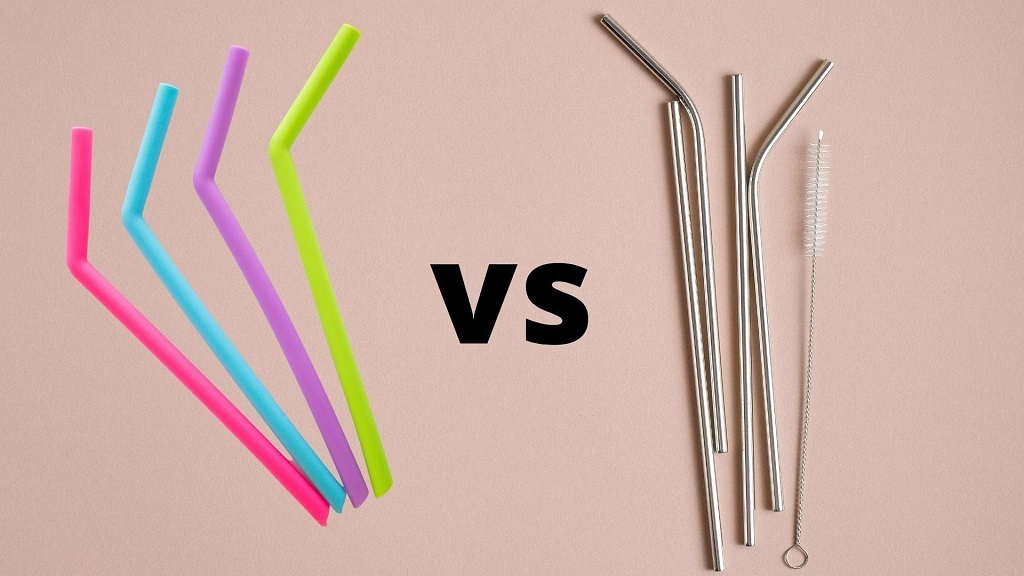
Reusable straws come in many forms. Glass straws sparkle like crystal. Stainless steel ones shine with strength. Both fight single-use plastics. They help build a greener world. Governments push this shift. The U.S. Department of the Interior aims to phase out single-use plastics on public lands by 2032. This move cuts waste and protects nature.
Stats paint a stark picture. Americans discard 500 million plastic straws daily. That’s from a 2023 National Geographic report. It adds up fast. Over 8 million metric tons of plastic enter oceans yearly, per a 2024 Stanford study. Straws make up a small slice but pack a punch. They rank among top 10 beach litters. Marine animals swallow them. Turtles mistake them for jellyfish. Seabirds choke on bits.
This article dives deep. We compare glass and stainless steel straws. You learn pros, cons, and tips. We draw from latest research. Think life-cycle assessments from ScienceDirect. Or health checks from University of Antwerp. You walk away ready to choose. Your pick shapes a cleaner planet. Let’s explore.
Why Switch to Reusable Straws?
You grab a straw without thinking. It’s quick. Convenient. But the cost runs high. Single-use plastics harm more than you see. They pollute air, water, and soil. Bans spread worldwide. By 2025, China phases out most single-use items. The EU cut marine litter 29% since 2015. The U.S. follows suit. Nineteen states ban some plastics as of March 2025.
Reusable straws change the game. They last years. You sip smoothies, cocktails, or coffee. No trash piles up. Brands like Glass Dharma and RSVP lead the way. They offer strong options. Adoption grows. Starbucks ditched plastic straws in 2019. They switched to paper. Now, reusables gain fans.
Benefits stack up. First, you save resources. One stainless steel straw replaces thousands of plastics. Glass does the same. Second, you protect wildlife. Fewer straws mean less ocean debris. Third, you boost health. No BPA or toxins leach in. A 2023 Belgian study found PFAS in many alternatives. But food-grade steel and borosilicate glass stay clean.
Consider a case. Sarah, a barista in Seattle, switched her cafe to reusables. Waste dropped 40%. Customers loved it. They felt part of the fix. You can too. Start small. Carry one in your bag. Watch the impact grow.
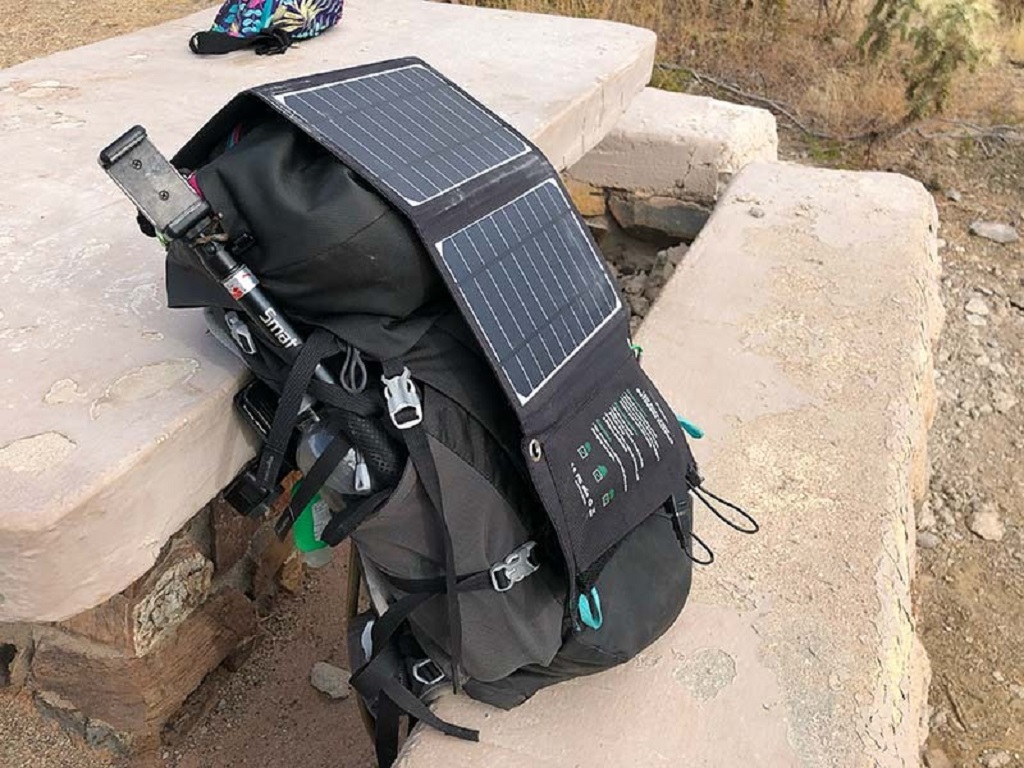
Reusable straws fit lifestyles. Hikers pack light steel ones. Cocktail lovers pick elegant glass. Parents choose bendy versions for kids. The key? Pick what you use. Consistency wins.
Understanding Glass Straws
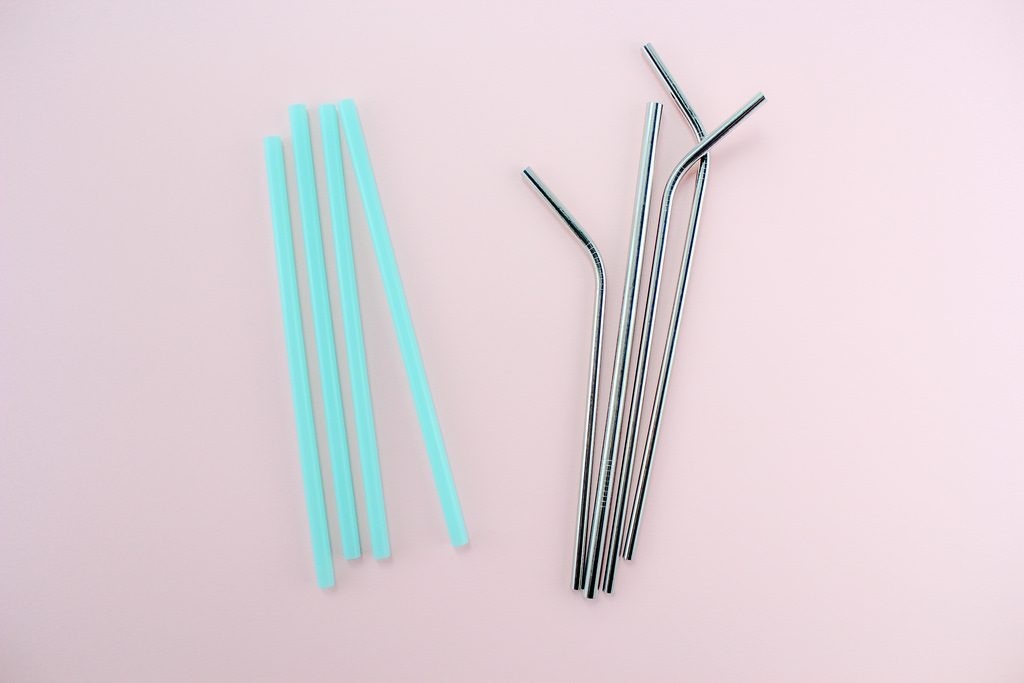
Glass straws catch your eye first. They gleam clear and pure. Made from borosilicate glass, they resist heat and cold. Think Pyrex tough. You sip hot tea or iced tea. No cracks. Brands temper them for strength. Glass Dharma offers a lifetime break guarantee. Impressive, right?
Crafted with care, these straws start as sand and soda ash. Melted at high heat, they form tubes. Pulled straight or bent. Polished smooth. The process uses less energy than you think. A 2024 KimEcopak report notes lower manufacturing impact than plastics.
You feel the difference. Glass stays neutral. No flavors linger. Drink water, then wine. Same clean taste. Unlike bamboo, which adds earthiness. Or steel, which hints metal on empty stomachs.
Health shines here. Glass avoids chemicals. A 2023 Nautilus study tested straws. Glass showed low PFAS if pure. Borosilicate blocks leaching. Safe for daily use. Dentists approve. Straws protect teeth from staining. Sip through, not over the rim.
Designs vary. Straight for water. Bent for thick shakes. Colors tint some. Frosted looks add style. Sizes fit kids to giants. Wide bore for boba. Narrow for neat sips.
Stories warm hearts. Take Mia, a mom in Portland. She swapped plastics for glass. Her kids learned care. One dropped a straw. It bounced. No shards. Laughter followed. Moments like these build habits.
Glass straws suit mindful sippers. You see cleanliness inside. Rinse, and it’s spotless. Dishwasher safe. Brushes help nooks. Store in pouches. They travel well in lunch kits.
Drawbacks exist. Handle with love. Drops on tile? Risk rises. But tempered glass holds up. A Seas and Straws review calls them hygienic champs. Smooth surfaces fight bacteria.
In short, glass straws blend beauty and purity. They invite you to savor. Ready for the sturdy side? Let’s turn to steel.
Exploring Stainless Steel Straws
Stainless steel straws stand tall. They bend but never break. Forged from 18/8 food-grade alloy, they resist rust. RSVP’s Endurance line proves it. Dishwasher tough. You toss them in, pull out shiny.
Production starts with melting metals. Chromium adds shine. Nickel boosts strength. Rolled into sheets. Cut and welded. Polished fine. The result? A tube that lasts decades. EcoLunchbox praises their unbreakable vibe.
Taste stays true. Most users report no metal tang. Especially with tips. Silicone ends soften the feel. Oxo adds them for comfort. No clink on teeth. Smooth draw every time.
Health experts nod. Steel avoids plastics’ pitfalls. No BPA. Low PFAS per Antwerp tests. Safe for hot or cold. Conducts temperature, though. Ice chills lips. Heat warms hands. Quick switch keeps it fine.
Variety keeps it fun. Collapsible for pockets. Final Straw folds tiny. Bent for ergonomics. Straight for purists. Thickness options suit drinks. Thick for slushies. Thin for juice.
Real tales inspire. Jake, a hiker from Colorado, packs steel. It survives falls. Washes in streams. He cut his trail trash to zero. Friends followed. Group chats buzz with tips.
Cleaning proves easy. Run water through. Brush if needed. Dry upright. Pouches protect. Travel light. Airports allow them. No liquid rules apply.
Steel straws fit adventurers. Durable for rough use. Recyclable too. End life in bins. Metals reborn. A RusticWise guide highlights this loop.
They lack glass’s see-through charm. But strength wins fans. Weight feels solid. Not flimsy like paper.
Steel straws deliver reliability. They push through daily grinds. Now, let’s stack them up.
Head-to-Head Comparison: Glass vs Stainless Steel
You stand at the fork. Glass or steel? Both beat plastic. But which fits you? We break it down. Categories guide the choice. Data from 2021 ScienceDirect LCA backs us. It weighs impacts fair.
Durability and Longevity
Steel takes the crown. It laughs at drops. Unbreakable per GreensSteel tests. Use for years. No wear shows.
Glass follows close. Borosilicate tempers it strong. GlassSipper claims low breakage. But tile floors test luck. Lifetime guarantees ease fears.
Winner: Steel for rough hands. Glass for careful ones.
Environmental Impact
Both shine green. Reusables slash waste. One steel straw offsets 500 plastics yearly. Glass matches it.
Dig deeper. Steel’s cradle-to-gate GWP hits 537g CO2 eq per unit. Plastic’s just 139g. But reusables flip the script. Over life, steel wins low impact.
Glass recycles easy if pure. Borosilicate mixes tricky. A HALM report notes energy in steel making. But longevity evens scores.
Ocean angle? Neither litters like straws. 8.3 billion plastic ones foul beaches, per 2017 studies.
Winner: Tie. Both cut pollution big.
Health and Safety
Purity rules. Glass lets you peek clean. No hidden grime. Neutral taste. Low toxins.
Steel seals safe. Food-grade blocks leach. But sharp edges nick lips. Tips fix that. Heat transfer surprises. Cold shocks teeth.
For kids? Glass risks shards. Steel’s solid but hard. Silicone hybrids bridge.
A 2023 study flags PFAS in 40% glass. Steel? Zero in tests.
Winner: Glass for visibility. Steel for toughness.
Ease of Cleaning and Maintenance
Glass wins views. See suds flow. Dishwasher zaps residue. Brushes scrub fine.
Steel hides spots. Feel for slick. Dishwasher handles it. But crevices trap if ignored.
Both need brushes. Pouches store dry.
Winner: Glass edges out. Transparency builds trust.
Taste and Mouthfeel
Glass delivers crisp. No aftertaste. Smooth glide.
Steel feels firm. Some note faint metal. Tips soften. Collapsible adds flex.
For cocktails? Glass elevates. Steel grounds.
Winner: Glass for finesse. Steel for function.
Portability and Style
Steel packs punch. Light. Collapsible fits keys. Rugged look suits outdoors.
Glass dazzles. Clear elegance. Heavier. Pouches cushion.
Styles? Glass colors pop. Steel polishes sleek.
Winner: Steel for on-go. Glass for display.
Cost-Effectiveness Over Time
Both pay off quick. Initial outlay small. Lifespan stretches value.
Steel endures knocks. Fewer replaces.
Glass charms long if cared for.
LCA shows reusables beat disposables 10-fold.
Winner: Tie. Savings stack either way.
This matchup shows balance. No clear champ. Your life tips the scale. Active folks lean steel. Style seekers grab glass.
Practical Tips for Choosing and Using Reusable Straws
Choice made? Now thrive. Tips turn good into great.
First, assess needs. Thick drinks? Wide bore. Kids? Soft tips.
Buy quality. Food-grade only. Check borosilicate for glass. 18/8 for steel.
Carry smart. Clip to bags. Case protects.
Clean right. Rinse post-sip. Weekly deep clean. Vinegar blasts buildup.
Store dry. Air out. Mold hates that.
Mix it up. Glass for home. Steel for hikes.
Share stories. Post your switch. Inspire circles.
Troubleshoot. Broken glass? Recycle shards. Recycle steel ends.
These steps lock in wins. You sip smart. Planet thanks you.
Case Studies: Real-World Impacts
Stories prove power. Let’s spotlight.
Case one: EcoCafe in San Francisco. Switched to glass straws 2022. Waste fell 35%. Customers raved. Sales up 12%. Owner Lena says, “It sparked talks. Folks stayed longer.”
Steel story: Trail Mix Outfitters in Denver. Steel reusables for events. Zero trash from 500 attendees. Repeat business boomed. “Durability sold it,” notes manager Tom.
Global glance. Bali’s 2019 ban cut straw litter 50%. Reusables filled gap. Tourists adapted fast.
These wins show ripple. Your swap joins them.
Conclusion
Glass straws sparkle with purity. Stainless steel stands unbreakable. Both crush plastic’s harm. You cut ocean waste. Boost health. Save resources.
Key takeaways? Durability favors steel. Taste tilts glass. Environment loves both. Pick what sticks. Use daily.
Ready to act? Grab your reusable today. Ditch disposables. Sip the change. Share with friends. One straw sparks waves. Your turn.
Related Topics: Zero-Waste Dish Soap Environmentally Friendly?
FAQs
What Makes Glass Straws Eco-Friendly?
Glass straws use natural materials. They recycle well. Long life cuts waste. Unlike plastics, they biodegrade if broken. A 2024 study shows lower carbon footprint over time.
Are Stainless Steel Straws Safe for Hot Drinks?
Yes. Food-grade steel handles heat. It conducts fast, so insulate hands. Tips prevent burns. Tests confirm no leaching.
How Do I Clean Reusable Straws Effectively?
Rinse after each use. Use a brush weekly. Soak in vinegar for stains. Dishwasher works for both types. Dry fully to stop mold.
Which Straw Is Best for Kids?
Stainless steel with silicone tips. Soft and safe. Avoid glass to dodge breaks. Flexible options ease grip.
Can Reusable Straws Replace Plastic Everywhere?
Mostly yes. Bans push it. Provide paper backups for needs. Long-term, reusables win for all.
Related Topics: Sweeten Tea Naturally Top Organic & Low-Calorie