Imagine this. You wake up one morning. Sunlight filters through leaves. Birds chirp nearby. You step outside and pick ripe berries right from your yard. No store run needed. This scene feels like a dream. Yet it roots in reality. A permaculture food forest makes it possible.
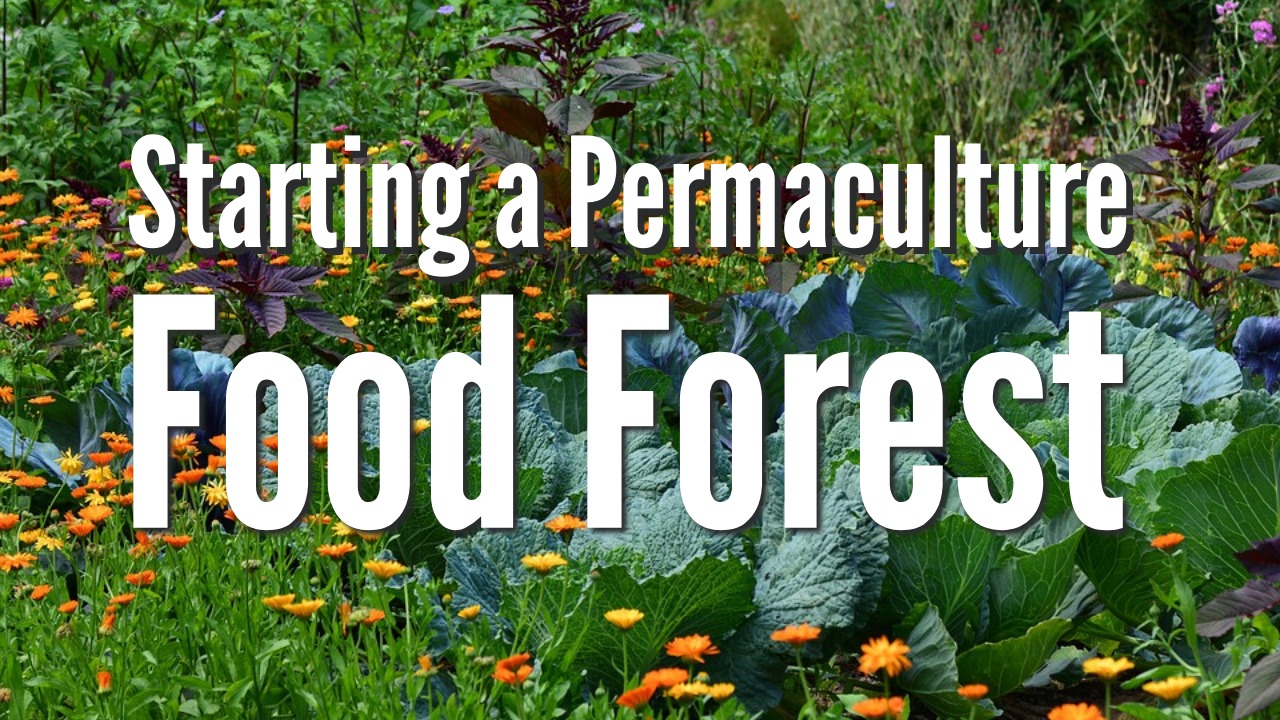
What is a permaculture food forest? Think of it as a garden that copies nature’s blueprint. You stack plants in layers like a wild woodland. Trees tower above. Shrubs fill the middle. Herbs hug the ground. Vines climb high. Everything works together. Plants feed each other. Soil stays rich. Pests stay in check. You get food without endless toil.
People build these gardens for good reasons. They crave fresh eats close to home, want to fight climate woes, seek spots that nurture wildlife. From backyards to community plots, food forests fit anywhere.
Now, consider the numbers. They paint a clear picture. A 2024 study from RPTU University of Kaiserslautern-Landau shows permaculture farms hold three times more plant species than regular ones. That boost aids pollinators and cuts pest troubles. The USDA notes sustainable methods like these trap carbon better. They store up to 40% more in soil than standard farms. These stats come from real trials. They prove food forests do more than look pretty. They heal land and feed folks well.
Ready to dive in? This guide walks you through it. You learn steps from site scout to harvest joy. Stories from real growers spice it up. You gain tools for your own plot. Let’s grow something lasting.
What Is a Permaculture Food Forest?
Picture a slice of wild woods. But every leaf and root serves a purpose. Fruits dangle. Nuts scatter. Greens sprout. That’s your permaculture food forest. It blends care for earth, people, and fair shares. Roots trace to Bill Mollison and David Holmgren. They coined “permaculture” in the 1970s. It means permanent culture. Permanent agriculture.
At heart, this system mimics forests. Nature stacks life in layers. Tall trees shade below. Bushes grab sun gaps. Ground plants shield soil. Roots dig deep or spread wide. Each spot gets what it needs. No bare earth. No waste.
In your garden, you do the same. You pick edibles that thrive local. Apples for shade. Strawberries for cover. Comfrey for soil boost. The mix yields food. It builds habitat. It cuts your work.
Why choose this over rows of veggies? Conventional plots demand tilling. They gulp water. They lean on sprays. Food forests flip that. They self-regulate. A 2021 UK Permaculture Association survey tracked 117 sites. Most hit food self-reliance goals. Yields matched or beat old ways. With less sweat.
Take Beacon Food Forest in Seattle. Started in 2009. Now seven acres strong. Locals harvest free. Kids learn ecology. It shows scale works. From tiny yards to big fields, the idea scales.
You start small. Observe your spot. Note sun paths. Feel wind flows. Test soil feel. This base sets success. Your forest grows alive. It feeds body and soul.
Benefits of Starting a Permaculture Food Forest
You plant once. Harvest for years. That’s the magic. Food forests deliver big wins. They save time. enrich land , connect you to seasons.
First, yields impress. Layers mean more crops per square foot. Trees drop fruit. Vines twist bounty. Herbs fill edges. A small plot rivals big gardens. Research backs it. Forest gardens hit energy returns up to 40:1. Conventional farms top at 5:1. Less input. More output.
Soil thrives too. Mulch smothers weeds. Roots hold water. Worms churn depth. A Luxembourg trial found permaculture soil holds more carbon. Bulk density drops. That means airier, happier dirt.
Biodiversity booms. You invite bees, birds, bugs. Good ones stick. Bad ones flee. The same RPTU study counted triple the plants. That draws life. Pollinators buzz. Pests balance out.
Water use shrinks. Canopy catches rain. Ground soaks slow. Swales guide flows. You cut bills. You ease drought stress.
Health perks follow. Fresh picks mean nutrient packs. No chemical traces. Walks in green calm minds. Communities bond over shares.
Economies click. Surplus sells. Or swap. Maintenance dips. No yearly replants.
Environment heals. Carbon sinks grow. Erosion halts. Habitats mend.
One grower shared her tale. Sarah in Portland. She turned a weedy lot into eden. Three years in, apples abound. Berries burst. Her family eats free. Neighbors join tours. Joy spreads.
Stats seal it. FAO pushes agroecology like this. It aids UN goals. Ends hunger. Guards nature. Your forest joins a global shift.
Step 1: Assess Your Site and Observe
Success starts here. You eye your land like a hawk. Every hill, breeze, shadow matters.
Grab a notebook. Walk daily. Note patterns. Where sun lingers longest? Winds whip hardest? Water pools or runs dry?
Test soil. Dig holes. Feel texture. Sandy? Clay? Squeeze a ball. Does it crumble or stick? pH kits from stores help. Aim neutral. Tweak later.
Map zones. Close to house? Daily herbs go there. Farther? Trees take root.
Climate counts. Check hardiness. USDA zones guide picks. Frost dates frame plans.
Observe nature’s cues. What wild plants push through? They hint at fits. Dandelions love poor soil. Clover signals wet.
Tools aid. Apps track sun. Compasses spot north. Rain gauges measure.
Spend weeks. Or months. Haste skips clues. One farmer waited a year. His forest now hums.
In Nepal, studies show site smarts boost yields 30%. Listen to land. It whispers secrets.
Your map emerges. Sketch paths. Mark edges. Dream big. But root real.
Step 2: Design Your Food Forest Layout
Now, blueprint blooms. You layer like lasagna. Each tier fits snug.
Recall seven layers. Canopy crowns tall. Understory shrubs hug. Herbaceous plants flower low. Groundcovers carpet. Vines climb. Roots burrow. Mycelium links below.
Sketch on paper. Or apps like SketchUp. Place big trees first. Space for growth. Apples need 20 feet. Cluster guilds. Support crews.
Guilds shine. Plants team up. Nitrogen fixers feed. Pest repellents guard. Attractors draw help.
Water wise. Dig swales. Gentle ditches catch rain. Berms hold it.
Paths wind. Mulch them soft. Access eases harvest.
Scale fits. Backyard? Stack vertical. Acre? Fan wide.
Draw from pros. Edible Forest Gardens books guide. Toby Hemenway’s Gaia’s Garden inspires.
A Milwaukie plot used this. Sherrett Food Forest. Layers layer yields. Community thrives.
Test run. Poke holes. Walk flow. Adjust. Design lives.
Step 3: Choose Plants for Your Layers
Canopy: Fruit trees lead. Apples, pears, chestnuts. Dwarf for small spots. Full size for shade.
Understory: Berries rule. Currants, elders. Hazels nut out.
Herbaceous: Perennial greens. Rhubarb, asparagus. Flowers like echinacea draw bees.
Groundcover: Strawberries creep. Clover fixes air. Mint spreads careful.
Vines: Kiwi twists. Grapes climb.
Roots: Jerusalem artichoke digs. Potatoes perennial.
Mix 80% locals. 20% exotics. Diversity guards fails.
Guild example: Apple guild. Comfrey mines deep. Daffodils deter deer. Nasturtiums trap bugs.
Source smart. Nurseries stock. Or grow seeds. Cuttings clone.
New Forest Farm in Wisconsin picks hardy. Mark Shepard’s 106 acres prove it. Hazels, chestnuts yield tons.
List yours. Match zone. Watch thrive.
Step 4: Prepare the Soil Naturally
Soil sets stage. Build it alive. No harsh digs.
Sheet mulch stars. Cardboard kills grass. Straw tops it. Worms work in.
Compost feeds. Kitchen scraps turn black gold. Worms speed it.
Inoculate life. Mycorrhizal fungi link roots. Bokashi ferments waste.
Test needs. Low nitrogen? Plant beans. Acid soil? Add lime slow.
Cover always. Bare soil sighs. Mulch breathes.
A Phoenix project sheet mulched desert. Now fruits flourish.
Patience pays. Soil shifts seasons. Test yearly. Tweak gentle.
Step 5: Plant in Phases
Plant smart. Not all at once. Waves build steady.
Year one: Big bones. Trees and shrubs root deep. Space wide. Water faithful.
Year two: Fill gaps. Herbs and covers settle. Vines grab trellis.
Year three: Fine tune. Annuals test. Perennials push.
Group by need. Wet lovers downhill. Dry up high.
Time right. Dormant stock heals fast. Spring wakes.
Water deep. infrequent. Roots hunt.
Beacon phased it. Now paths weave plenty.
Mulch newbies. Stake if windy. Watch daily.
Growth gifts. Adjust as goes.
Step 6: Maintain with Minimal Effort
Care lightens. Systems self steer.
Mulch yearly. Two inches fresh. Holds wet. Feeds slow.
Prune wise. Open canopies. Shape fruits.
Harvest often. Picks prompt more. Share surplus.
Watch woes. Yellow leaves? Check water. Spots? Scout bugs. Hand pick.
Chop drop. Fallen feeds ground.
Integrate animals. Chickens till light. Bees buzz aid.
Stefan Sobkowiak’s Quebec orchard chops leaves. Soil stays sweet.
Observe shifts. Adapt easy. Effort fades.
Step 7: Harvest and Enjoy the Bounty
Joy arrives. Fruits ripen. Greens wave.
Pick prime. Berries soft peak. Nuts dry fall.
Preserve smart. Jam berries. Dry herbs. Root cellar spuds.
Cook seasonal. Salads spring. Stews fall.
Share circles. Neighbors taste. Kids learn.
Yields grow. Year five booms. Track journal.
One family’s tale. Nelson Lebo’s New Zealand plot. Hundred trees. Three years lush. Feasts flow.
Savor slow. Forest feeds deep.
Case Studies: Real-World Success Stories
Stories inspire. See how others thrive.
Beacon Food Forest, Seattle. Seven acres public. Started 2009. Four dreamers sparked. Now volunteers tend. Apples, plums, berries abound. Free picks build bonds. Events teach. It models urban win.
Sherrett Food Forest, Portland. Tiny 0.68 acres. Toby Hemenway students birthed. Layers stack tight. Herbs spiral. Mushrooms hut. Tours invite. Locals replicate.
New Forest Farm, Wisconsin. Mark Shepard’s 106 acres. Restoration ag. Hazels, silvopasture. Yields profit. Books share blueprint.
Luverne, Minnesota. Project Food Forest aids. Community plants. Volunteers guard. Fruits feed bank.
These spots prove. Scale varies. Impact sticks.
Common Challenges and Solutions
Hiccups happen. You solve smart.
Pests nibble? Diversity deters. Birds net early. Neem sprays gentle.
Drought bites? Swales save. Drip lines aid.
Weeds creep? Mulch smothers. Covers outcompete.
Slow start? Patience plants. Annuals bridge.
Overcrowd? Thin wise. Compost cuts.
Research helps. Forums share fixes.
Growers say: Start small. Learn fast.
Conclusion
You hold keys now. From assess to harvest, steps stack sure. Food forests gift abundance. They mend earth. They nourish kin.
Key wins: Layers yield more. Soil lives long. Life multiplies.
Take action. Pick your plot. Sketch today. Plant tomorrow. Watch wonder unfold.
Join the wave. Share your story. Grow the good.
FAQs
What is the first step in starting a permaculture food forest?
Observe your site. Walk it daily. Note sun, wind, water. Map patterns. This base guides all.
How long does it take for a food forest to produce?
Trees fruit in 3-5 years. Full bounty hits decade. Phases build steady. Patience pays big.
Can I start a food forest in a small backyard?
Yes. Stack vertical. Dwarf trees fit. Pots hold vines. Layers max space. Start tiny. Expand slow.
What plants work best for beginners?
Go local edibles. Apples canopy. Strawberries ground. Comfrey support. Guilds ease care.
How does a food forest save water?
Canopy shades. Mulch holds. Swales catch. Roots sip deep. Use drops 50%. Nature teaches thrift.
Related Topics: Aquaponics System for a Small Balcony