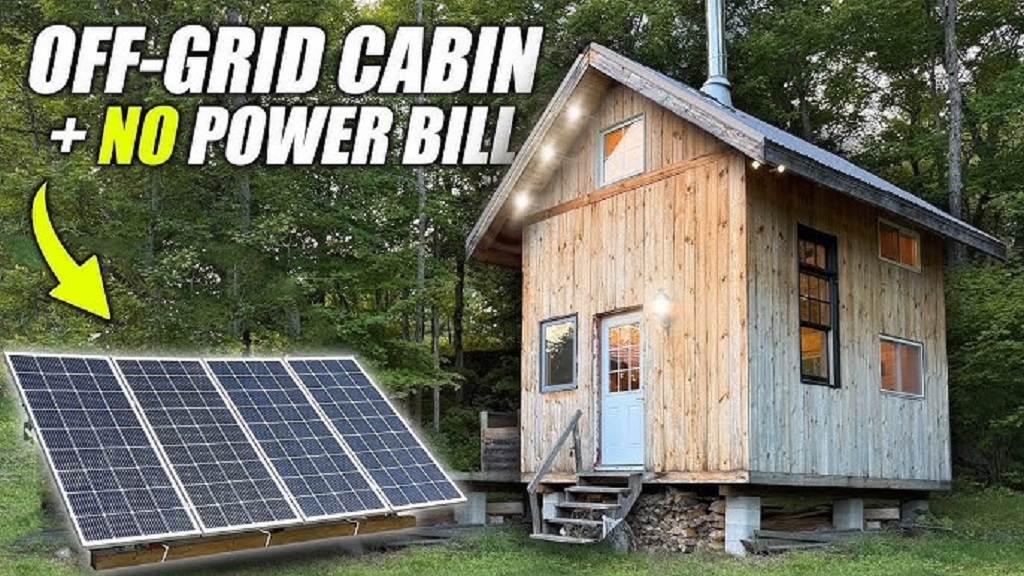
Imagine this. You pull up to your cozy cabin after a long drive through winding forest roads. The sun dips low, painting the trees gold. No hum of generators. No extension cords snaking from a distant grid. Just quiet. You flip a switch, and lights glow softly. The fridge hums. Your phone charges. All from the sun’s free gift.
That’s the magic of an off-grid solar power system for a small cabin. It lets you live light on the land. You generate your own electricity. You store it for dark nights or stormy days. No utility bills. No blackouts from far-off storms. Just you, nature, and clean power.
Off-grid solar works like this. Panels catch sunlight and turn it into direct current electricity. A controller manages the flow to batteries. Batteries hold the charge. An inverter flips it to alternating current for your gadgets. Simple. Reliable. Yours.
Numbers back this up. The Off-Grid Solar Market Trends Report 2024 from the Energy Sector Management Assistance Program shows sales of off-grid solar gear jumped 17% in early 2024. Over 1 million units sold. It powers 109 million people worldwide with better energy access. In the U.S., the Department of Energy notes remote homes save big on fuel costs. One study from the National Renewable Energy Laboratory highlights that solar cuts diesel use by 80% in off-grid spots.
Why cabins? Small spaces need less power. A typical cabin sips 1-3 kWh daily. Think lights, a fan, a small fridge. Solar fits perfect. It matches your low-key life.
I remember my first off-grid weekend. Friends laughed at my “science project” panels. By nightfall, we cooked on electric stoves. Stars out. No noise. Pure peace. You can have that too. Ready to learn how?
Why Choose Off-Grid Solar for Your Small Cabin?
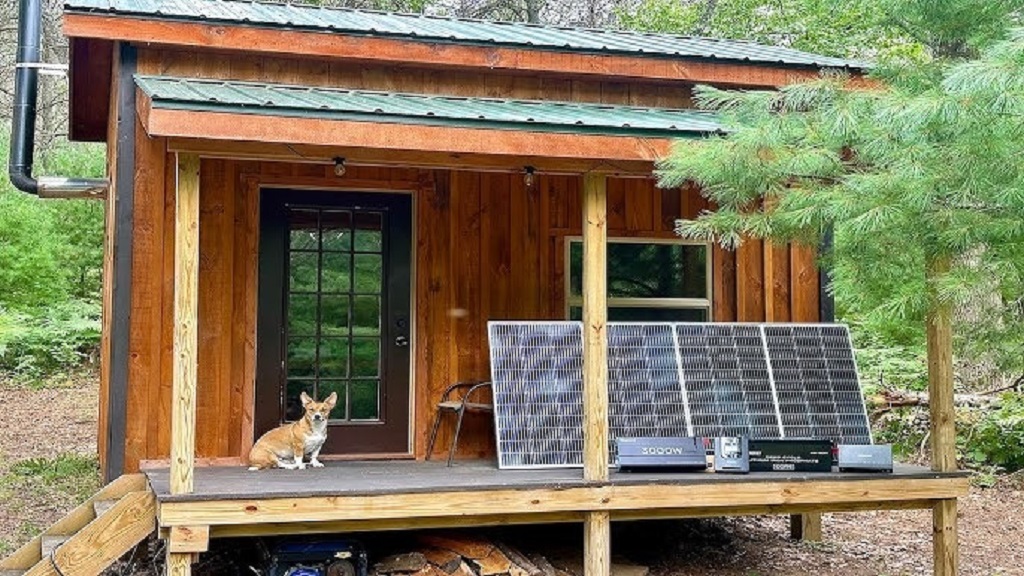
Picture your cabin as a sanctuary. Tucked in woods or by a lake. Far from city buzz. But power? That’s the hitch. Generators guzzle gas. They roar. They break. Grid lines? Cost a fortune to run miles through trees. Enter off-grid solar. It frees you.
First benefit: independence. You make your own juice. No waiting for utility crews after storms. In 2023, wildfires knocked out power for millions in California. Off-grid folks? They slept fine.
Second: green living. Solar slashes carbon. The World Bank reports off-grid solar avoids 1.5 million tons of CO2 yearly. Your cabin becomes a low-impact haven. Panels last 25+ years. Batteries? Up to 15.
Third: quiet bliss. No generator racket scaring wildlife. Just birdsong. One cabin owner in Maine shared her story. Jerry and Victoria Wolford faced $130,000 to grid-connect. They went solar. Now? Peaceful pond views, powered by sun.
Savings add up. Fuel for generators? Gone. Maintenance? Low. A case from EcoWatch shows a 800W kit runs a tiny home forever. No bills.
But it’s more. Solar fits cabin life. Small systems power essentials. Lights. Radio. Pump for well water. You live simple. Intentional.
Drawbacks? Upfront work. Sizing right. Weather dips output. Yet, backups like wind or hydro mix in easy.
In short, off-grid solar turns your cabin into a smart retreat. Sustainable. Self-reliant. Yours.
Sizing Your Off-Grid Solar System Right
Sizing feels tricky at first. Like picking boots for a hike. Too small? Blisters. Too big? Heavy pack. But break it down. You’ll nail it.
Start with needs. List appliances. A LED bulb? 10W, 5 hours daily = 0.05 kWh. Small fridge? 1 kWh/day. Fan? 0.2 kWh. Total for basics: 2-3 kWh daily.
Factor sun hours. Use PVWatts tool from NREL. Enter location. Say, northern Arizona: 5 peak hours summer, 3 winter. Multiply needs by hours. For 2 kWh: 400-600W panels.
Batteries next. Aim 2-3 days autonomy. For 2 kWh, 4-6 kWh storage. Lithium? Efficient. Lead-acid? Cheaper but needs water checks.
Inverter: Match peak load. Fridge startup? 800W surge. Pick 1000-2000W pure sine wave. Smooth for sensitive gear.
Example: Weekend hunting cabin. Lights, fridge, pump. 1.5 kWh/day. 4 hours sun? 375W panels. 3 kWh lithium bank. 1500W inverter.
Tools help. Unbound Solar’s calculator sizes arrays. Add 25% buffer for clouds.
Common pit? Undersizing. One forum user in Ontario went small. Winter woes. Lesson: Plan worst month.
Scale up slow. Start basic. Add panels later.
Right size means reliable power. No guesswork. Just flow.
Key Components of an Off-Grid Solar Setup
Components team up like cabin crew. Each job clear. Pick quality. They’ll serve years.
Solar panels first. Heart of harvest. Monocrystalline? Efficient in shade. 300-400W each. Four for small cabin: 1.2-1.6 kW array. Mount south, 30-degree tilt.
Charge controller. Traffic cop. MPPT best. Pulls 30% more from panels. Victron or Epever handle 50A.
Batteries store bounty. Lithium-ion rule now. Battle Born or Renogy. 100Ah each. Four in parallel: 12V, 5 kWh. No spills. Fast charge.
Inverter converts. Outback or Schneider. 2000W. Pure sine. Runs tools smooth.
Wiring and fuses. Copper gauge right. 10 AWG for panels. Fuses protect. Ground everything. Lightning foe.
Backup? Generator port on inverter. Rare use.
Case study: Arizona off-grid build. 15 acres. EcoFlow Delta Pro. Portable. Powers full cabin. User added panels. Seamless.
Buy matched kits. GoGreenSolar bundles. Easy.
Components right? System sings.
Step-by-Step Installation Guide
Installation day. Excitement builds. Tools ready: wrench, drill, multimeter. Safety gear: gloves, glasses.
Step 1: Site scout. Clear south spot. No trees shade. Ground mount sturdy. Or roof rack.
Step 2: Mount panels. Rails first. Bolts tight. Angle for latitude. Wire in parallel for volts.
Step 3: Controller spot. Dry, cool. Near batteries. Connect panels. Positive to positive.
Step 4: Battery bank. Ventilated shed. Series for volts if needed. Connect to controller.
Step 5: Inverter link. DC from batteries. AC to panel. Ground rod 8 feet deep.
Step 6: Test. Multimeter checks. Sun up? Output flows. Load on. Steady.
Tips: Label wires. Torque specs follow. Permit if local rules say.
One installer shared: “First time? Buddy up. Two heads beat one.”
Time: Weekend job for basics.
Done? Power on. Cabin alive.
Maintenance: Keep It Running Smooth
Maintenance? Like cabin chores. Quick. Keeps joy high.
Monthly: Clean panels. Soft brush, water. Dust cuts 20% output.
Batteries: Check levels if lead-acid. Distilled water. Lithium? Peek voltage.
Quarterly: Tighten connections. Multimeter continuity.
Yearly: Pro inspect. Inverter logs. Battery health.
Cold spots? Insulate bank. Heat pads for lithium.
Forum tip: Log readings. Spots trends early.
Low effort. Long life. 25 years panels. 10 batteries.
Real Cabin Stories: Success and Lessons
Stories inspire. Jerry in Maine ditched $130K grid. Solar now. Pond swims by LED light.
Ontario hunter: 2 panels, 4 batteries. Weekends charged. No genny noise.
Arizona 15 acres: EcoFlow start. Expanded. Full off-grid.
Mistake? One undersized. Winter dark. Added panels. Lesson learned.
These tales? Proof. Solar fits cabins big and small.
Common Pitfalls and How to Dodge Them
Pitfalls lurk. Step smart.
Undersize: Audit loads first. Add buffer.
Shade ignore: Tree trim pre-install.
Wiring wrong: Color code. Fuse all.
Battery mismatch: Match controller amps.
No backup: Genny ready for clouds.
Skip ground: Shock risk. Rod always.
Pro tip: Forum check. DIY Solar shares fixes.
Avoid? System thrives.
Related Topics: The Rise of Bioplastic Bottles
Conclusion
Off-grid solar power system for a small cabin opens doors. Independence. Green peace. Reliable glow.
You sized it. Picked parts. Installed strong. Maintained light. Stories show path.
Now act. Sketch your setup. Grab tools. Build that freedom. Your cabin waits. Sun rises tomorrow. Power it right.
Related Topics: How Does Wind Energy Works
FAQs
What Size Off-Grid Solar System Fits a Small Cabin?
Basics need 400-800W panels, 2-4 kWh batteries, 1000W inverter. Audit loads. Use PVWatts for sun hours. Scales to use.
How Much Sun Does My Cabin Need for Solar?
3-5 peak hours daily. South face. Tilt matches latitude. Tools like NREL calculator pinpoint.
Lead-Acid or Lithium Batteries for Off-Grid?
Lithium wins. Lighter. Longer life. No water adds. Handles deep cycles. Lead-acid cheaper start.
Can I Install Off-Grid Solar Myself?
Yes, for small setups. Basic electric know-how. Kits simplify. Big? Hire pro for safety.
What If Clouds Cut Solar Output?
Buffer batteries for 2-3 days. Genny backup. Wind add-on. Efficiency appliances help.