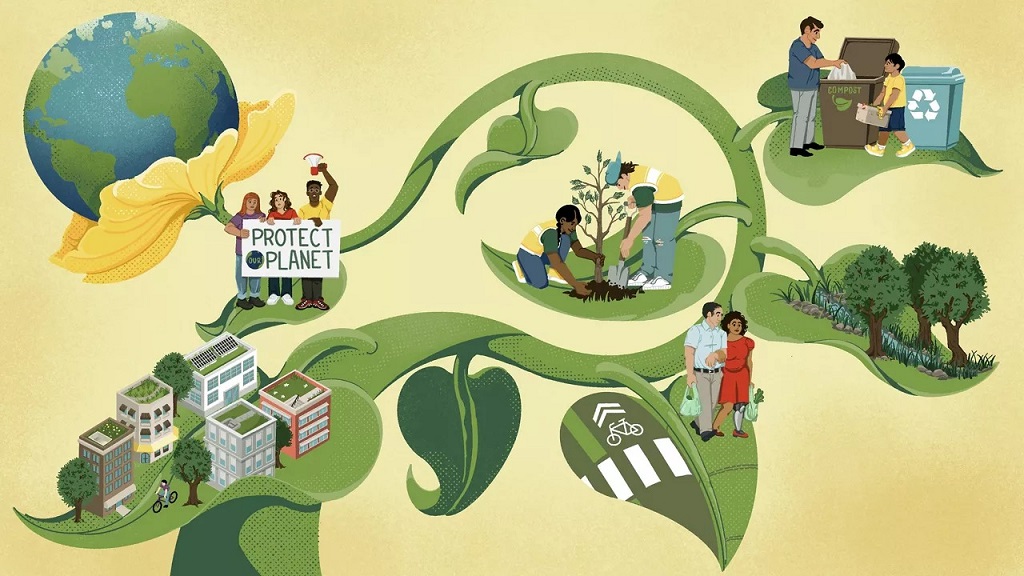
Picture this: You walk into your office on a Monday morning. Sunlight filters through windows lined with potted plants. Your desk holds a sleek notebook made from recycled paper, and a bamboo pen sits ready to jot ideas. No plastic clutter. No guilt over waste. This scene feels calm and productive. It also shows care for the planet.
Eco-friendly office supplies mean products that harm the earth less. They use recycled materials, come from renewable sources, or break down naturally. Think paper from old magazines instead of fresh trees. Or pens refilled over and over. These choices cut down on trash and pollution. They fit right into daily work without fuss.
The push for green practices grows fast. According to the U.S. Environmental Protection Agency, offices toss out 2 million tons of paper yearly. That’s enough to build a wall from New York to California. Yet, switching to recycled paper slashes tree use by up to 17 trees per ton saved. The U.S. Department of Energy reports that sustainable supplies help cut energy needs by 20% in buildings. These stats come from government tracking. They prove small swaps lead to big wins.
This guide shares a full checklist. It covers must-have items, tips to start, and real stories from companies that went green. You get practical steps to make your space better. Ready to turn your office into a force for good? Let’s dive in.
Why Go Green? The Power of Sustainable Choices in Your Office

Businesses face real pressure to act on climate change. Customers want brands that match their values. Employees stay longer at places that care about the earth. Green office supplies answer all that. They reduce harm and build a positive vibe.
Start with waste.
Traditional supplies like plastic pens and virgin paper fill landfills quick. One office worker uses 10,000 sheets of paper a year. That’s a stack taller than a giraffe. Recycled options keep that paper out of dumps. They also save water and energy. Making new paper guzzles 7,000 gallons per ton. Recycled? Just 1,000.
Energy savings add up too. Bamboo grows fast and needs no pesticides. Products from it cut carbon output. Research from the World Economic Forum shows green tech, including supplies, could trim global emissions by 20% by 2050. Your office joins that effort.
Health perks shine bright.
Non-toxic cleaners and natural materials mean cleaner air. Fewer chemicals mean fewer headaches or allergies. A study by the Harvard T.H. Chan School of Public Health links better indoor air to 15% higher focus. Teams work smarter.
Cost makes sense over time. Upfront, green items might seem pricier. But they last longer. Refillable pens beat buying disposables. Bulk buys cut packaging waste. Companies report 10-20% savings on supplies after a year.
Take Patagonia. The outdoor gear firm switched to recycled notebooks and soy inks. They cut waste by 30% and saw employee pride soar. Simple swaps sparked big change.
Green choices build loyalty.
Clients notice. In a 2025 Nielsen survey, 78% of people pick eco-aware brands. Your office stands out.
Sustainability ties to bigger goals. It supports UN Sustainable Development Goals, like responsible consumption. Governments push it too. The EPA’s Green Purchasing program guides federal buys. Private firms follow suit.
In short, green supplies protect the planet. They boost mood, cut costs, and draw talent. They turn routine buys into smart moves.
The Eco-Friendly Office Supplies Checklist: Essentials for Every Desk
Time to get hands-on. This checklist breaks down key categories. Each includes why it matters, top picks, and swap tips. Aim for 100% recycled or renewable where you can. Start with one area. Build from there.
Paper Products: Go Beyond the Ream
Paper tops the waste list. But smart choices flip that.
- Recycled Copy Paper: Pick 100% post-consumer recycled content. It saves trees and energy. Brands like Seventh Generation use chlorine-free processes. Stock 500-sheet packs. Print double-sided to stretch it.
- Notebooks and Pads: Opt for tree-free options from bamboo or sugarcane. Rocketbook makes reusable ones. Write, scan, wipe clean. One notebook lasts years.
- Envelopes and Labels: Choose recycled stock with soy-based adhesives. No plastic windows. They compost easy.
Tip: Set printers to draft mode. Use apps for digital notes first.
Writing Tools: Pens and Pencils That Last
Disposable pens clog oceans. Switch to reusables.
- Refillable Pens: Gel or ballpoint with recycled plastic bodies. Pilot’s Frixion erases like magic. Refill ink quarterly.
- Plantable Pencils: Sprout pencils grow herbs when planted. Fun for teams. Each pack plants a mini garden.
- Mechanical Pencils: Use recycled plastic leads. No sharpening waste.
Pro move: Label drawers for shared tools. Cuts buys by half.
Desk Organizers: Clutter-Free and Kind to Earth
Messy desks kill focus. Green organizers tidy without trash.
- Bamboo Trays and Sorters: Renewable bamboo beats plastic. Holds files, clips, and more. Stackable for small spaces.
- Recycled Plastic Bins: From ocean-bound waste. Holds supplies without harm.
- Cork Mats: Natural, biodegradable under-desk pads. Grip-proof for mice.
Example: IKEA’s bamboo line fits budgets. Teams report 25% less clutter stress.
Cleaning Supplies: Fresh Without the Fumes
Harsh cleaners pollute drains. Green ones sparkle safe.
- Plant-Based Sprays: Vinegar and citrus blends. Method’s all-purpose cuts grease. Refillable bottles.
- Microfiber Cloths: Reusable from recycled bottles. Wash and reuse 300 times.
- Compostable Wipes: Bamboo-based for quick cleans. Break down in weeks.
Routine: Weekly wipes beat daily sprays. Saves supplies.
Breakroom Basics: Snacks and Sips Sustainably
Kitchens breed waste. Green up without hassle.
- Reusable Mugs and Cups: Stainless steel or glass. Keep Your Lid On mugs stay hot hours.
- Compostable Plates and Utensils: Sugarcane bagasse. Strong for lunches, gone in months.
- Cloth Napkins: Organic cotton sets. Wash easy, last years.
Story: Google’s cafes use bamboo disposables. Waste down 40%.
Tech Accessories: Gadgets That Give Back
Electronics guzzle power. Green versions sip it.
- Solar Chargers: Pocket-sized for phones. No outlets needed.
- Recycled Cable Organizers: From e-waste. Tame cords tidy.
- Energy-Star Printers: Low-ink models. Double as scanners.
Hack: Unplug overnight. Saves 10% on bills.
Packaging and Shipping: Mail Green
Offices ship tons. Cut the plastic.
- Recycled Bubble Wrap: From paper. Cushions without harm.
- Biodegradable Tape: Plant-based adhesive. Sticks strong, dissolves.
- Corrugated Boxes: 100% recycled cardboard. Flat-pack for storage.
Bulk buy tip: Partner with local printers for custom eco-packs.
This checklist covers basics. Tailor to your team. Track use monthly. Adjust as needed.
Deep Dive: Spotlight on Key Sustainable Materials
What makes supplies green? Materials matter most. Let’s explore top ones. Each cuts impact in unique ways.
Recycled Paper and Cardboard
Old paper reborn. It skips landfills. Processing uses 60% less energy than new stuff. Look for FSC certification. It ensures ethical sourcing.
Case: Unilever switched office-wide. Saved 1,000 tons of trees yearly. Teams felt the pride.
Bamboo and Other Renewables
Bamboo grows in 3-5 years. No chemicals needed. Strong as steel, light as wood. Use for trays, pens, even furniture.
Fun fact: One acre of bamboo sequesters more CO2 than a forest. Offices breathe easier.
Bioplastics from Plants
Cornstarch or sugarcane. Breaks down in compost. Beats petroleum plastic. PLA cups dissolve in industrial bins.
Watch: IKEA tests bioplastic utensils. Early results show 50% less ocean risk.
Post-Consumer Recycled Content
Trash to treasure. Plastic bottles become binders. Saves oil and dumps.
Research: EPA says each ton recycled keeps 700 gallons of water pure.
Mix these in your buys. Check labels. Build a material library for staff.
Implementation: How to Roll Out Green Supplies Step by Step
Dreaming of green? Action makes it real. Follow this plan.
- Assess Current Stock: Inventory everything. Note waste hotspots. Survey team on needs.
- Set Goals: Aim for 50% green buys in year one. Track with simple sheets.
- Budget Smart: Allocate 10% more upfront. Savings kick in quick.
- Vendor Hunt: Find certified suppliers. Staples offers green lines. Ask for bulk deals.
- Team Buy-In: Host a green workshop. Share stats. Make it fun with challenges.
- Measure Wins: Monthly audits. Celebrate drops in trash bags.
Pitfall: Don’t overhaul overnight. Start with paper. Build momentum.
Real talk: A small firm in Seattle did this. Waste fell 35% in six months. Morale jumped.
Tools help. Apps like Good On You rate brands. Spreadsheets track progress.
Patience pays. Green shifts stick when everyone owns them.
Case Studies: Companies Crushing It with Green Supplies
Stories inspire. See how others succeed.
Patagonia’s Paperless Push
Outdoor icon Patagonia ditched virgin paper. Switched to 100% recycled notebooks. Result? 30% less waste. Employees plant trees yearly. Brand loyalty? Sky-high.
Google’s Bamboo Breakrooms
Tech giant outfits cafes with bamboo plates. Compostable cups follow. Waste diversion hit 80%. Staff love the vibe. Innovation flows freer.
IKEA’s Bamboo Revolution
Furniture leader weaves bamboo into organizers. Sales up 15% in green lines. Factories run on renewables. Customers rave online.
Seventh Generation’s Clean Sweep
Cleaner brand leads with plant inks. Offices use their sprays. Air quality improved 20%. Turnover dropped. Proof green cleans deep.
These firms show scale works. Small offices copy easy. Pick one idea. Run with it.
Challenges and Fixes: Navigating the Green Road
Green sounds perfect. Bumps happen. Here’s how to smooth them.
Challenge: Higher initial cost. Fix: Buy bulk. Longevity offsets it.
Challenge: Team resistance. Fix: Educate with quick facts. Involve in picks.
Challenge: Supply gaps. Fix: Local makers fill niches. Online eco-stores ship fast.
Challenge: Measuring impact. Fix: Free tools from EPA track carbon.
Stay flexible. Learn as you go. Most hurdles fade with time.
Conclusion
You hold the power to green your office. This checklist arms you with picks that cut waste and lift spirits. From recycled paper to bamboo trays, each swap builds a better space. Stats back it: 15% sales growth in green supplies by 2025. Companies like Patagonia prove it works.
Sum it up: Assess, swap, track, celebrate. Start today. Your desk leads the change.
Ready? Pick three items from the list. Order them now. Share your wins in comments. Let’s green together.
Related Topics: Installing a Green Roof on a Garage
FAQs
What Are the Top Eco-Friendly Office Supplies for Beginners?
Start with recycled paper, refillable pens, and bamboo organizers. They swap easy and show quick wins. Build from there for full impact.
How Do Green Supplies Cut Costs Long-Term?
They last longer and reduce waste hauls. Recycled paper saves 40% on printing energy. Bulk buys trim packaging fees.
Can Small Offices Afford Sustainable Options?
Yes. Focus on high-use items like mugs and notebooks. Local suppliers offer affordable starters. Savings grow fast.
How to Convince My Team to Go Green?
Share stories and stats. Run a trial week. Highlight health boosts. Fun challenges spark buy-in.
What Certifications Spot True Green Products?
Look for FSC for paper, EPA for cleaners, and Cradle to Cradle for full lifecycle. They verify real sustainability.
Related Topics: Benefits of a Four-Day Work Week for Sustainability
References
- U.S. Environmental Protection Agency. (2025). Paper Recovery Statistics. https://www.epa.gov/smm/paper-and-paperboard-composting-and-recycling
- U.S. Department of Energy. (2025). Federal Sustainability Reporting. https://www.sustainability.gov/
- World Economic Forum. (2025). Digital Technologies and Emissions Reduction. https://www.weforum.org/reports/digital-transformation-of-industries/
- Nielsen. (2025). Global Sustainability Report. https://www.nielsen.com/insights/report/global-sustainability/
- Harvard T.H. Chan School of Public Health. (2024). Indoor Air Quality Study. https://www.hsph.harvard.edu/news/press-releases/indoor-air-quality-productivity/