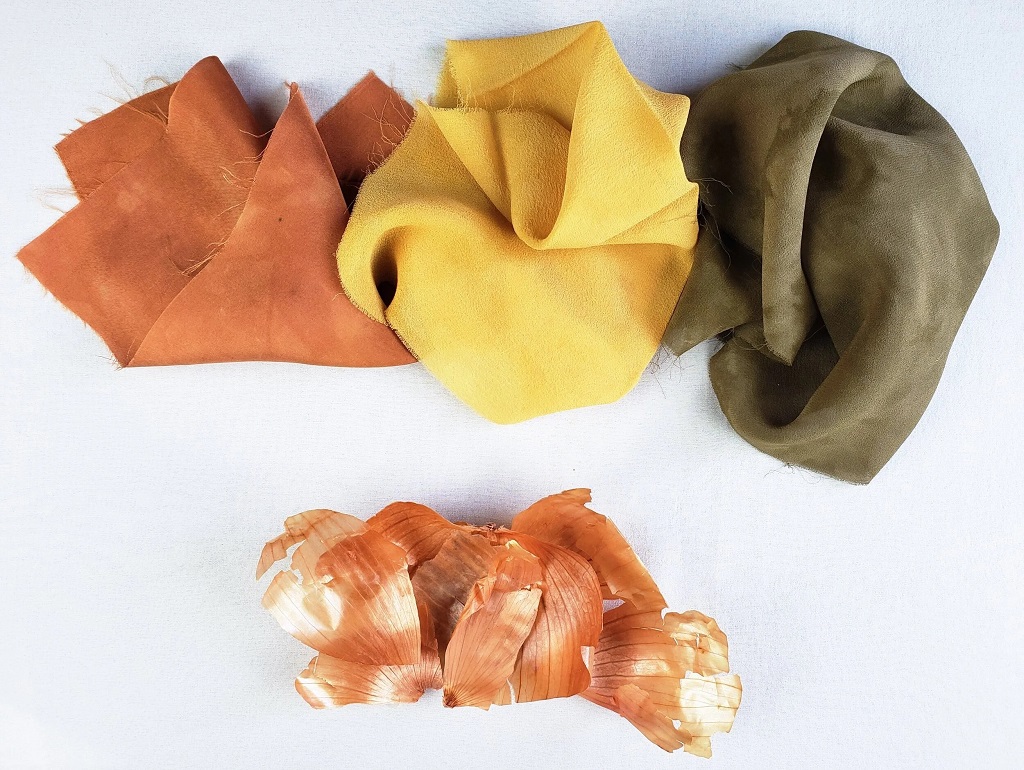
You peel an onion for dinner, and those discarded skins transform into a pot of golden elixir that colors your favorite scarf a warm, sunny yellow. Natural dyes from onion skins offer a simple way to bring color to fabrics using everyday kitchen waste. This ancient practice revives the art of sustainable coloring, where plants provide hues without harsh chemicals.
Onion skins contain natural pigments like quercetin, a flavonoid that yields earthy tones from yellow to rust. Crafters and designers turn to these dyes for their eco-friendly appeal. They bond well with natural fibers such as wool and cotton, creating lasting colors that feel alive and organic.
The shift toward green practices boosts this method’s popularity. The global natural dyes market reached $1.5 billion in 2024 and projects growth to $2.6 billion by 2034 at a 6% compound annual growth rate. Another report highlights the market at $5.07 billion in 2024, expanding to $8.95 billion by 2034 with a 5.9% CAGR, driven by demand for non-toxic alternatives in textiles and fashion.
This guide walks you through every step. You will learn to extract dyes, prepare fabrics, and experiment with shades. Whether you craft at home or explore professional techniques, onion skin dyes deliver practical value and creative joy.
Ancient Origins and Global Traditions
Humans have colored fabrics with plants for thousands of years, and onion skins have long held a special place in this story. Originating in Central Asia and the Middle East over 5,000 years ago, onions were prized by Ancient Egyptians and Greeks not only as food but also as a natural source of pigment.
By the 1400s, Turkish artisans were boiling onion skins to create golden threads for intricate carpets. These weavers simmered skins with wool, producing durable yellows that withstood time and sunlight. The technique spread along trade routes, reaching Europe and beyond.
In the Americas, Native American groups like the Navajo adopted similar methods in the 1700s. They paired onion skins with natural dyes such as indigo and madder to color woven rugs and blankets. Historical dye charts from that period even list onion peels for achieving warm mustard tones.
During colonial Europe, dyers experimented with onion extracts combined with mordants like alum to set colors on linen and wool. This simple, home-based craft continued through rural folk traditions long after industrial dyeing began. Onion skins remained a symbol of practicality—beautiful, inexpensive, and accessible to all.
Revival, Innovation, and Modern Legacy
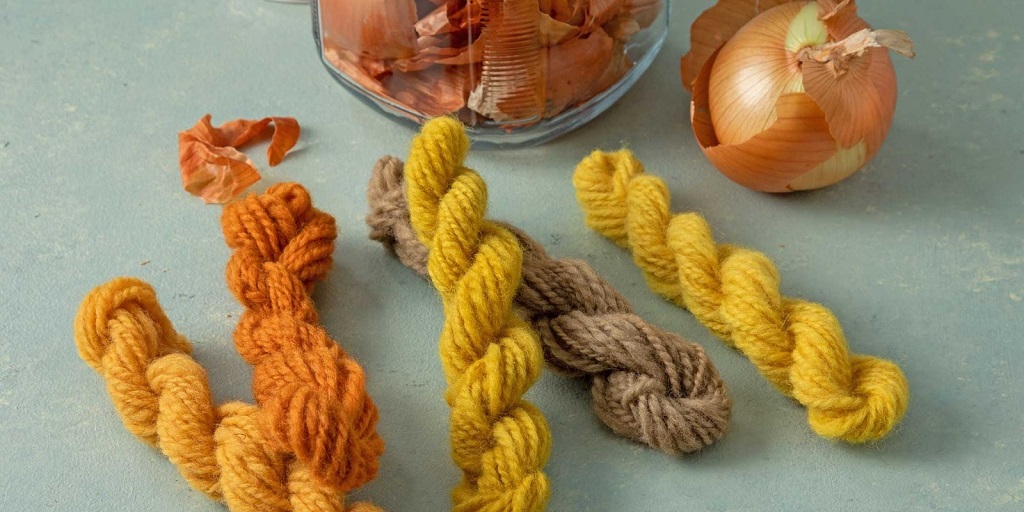
Today, a revival of natural dyeing honors these historical roots. Modern artisans reference old dyeing manuals to recreate authentic hues. Eco-printers now bundle onion skins with leaves and flowers, steaming them to imprint delicate golden patterns inspired by ancient motifs.
The practice thrives because onions are universally grown. Farmers, chefs, and crafters collect peels that would otherwise become waste, transforming them into color while preserving cultural heritage. Stories from Turkish rug makers and Navajo weavers continue to inspire sustainable artists worldwide.
Explorers and botanists of the 19th century also documented onion-based dyes, noting that red onion skins produced deeper oranges than yellow ones. These early records help today’s creators refine shades and consistency.
Though synthetic dyes overshadowed natural methods in the 20th century, the environmental movement of the 1970s reignited interest. Pioneers like India Flint popularized eco-printing with onion skins, celebrating their earthy tones and organic beauty.
Now, global workshops—from Japanese shibori to Australian felt making—teach these sustainable skills. The history of onion skin dyeing reminds us that humble ingredients can carry centuries of craftsmanship, storytelling, and connection to the earth.
Why Choose Onion Skins for Natural Dyeing
Onion skins stand out as a top choice for beginners and pros alike. They come free from your kitchen, turning scraps into treasure. Unlike exotic plants, onions offer consistent results without special sourcing.
These peels pack powerful pigments. Quercetin gives yellow onions a bright gold, while red varieties add warm rusts. Tannins in the skins act as natural fixatives, helping dyes stick without extra steps.
Sustainability drives the appeal. Each year, billions of tons of food waste fill landfills. Onion skins contribute to this, but dyeing repurposes them. You create beauty from what others toss, aligning with a zero-waste lifestyle.
Health benefits shine too. Natural dyes avoid toxic chemicals found in synthetics—no heavy metals or allergens leach into skin or water. Families can craft safely, knowing fabrics stay gentle.
Benefits, Versatility, and Real-World Impact
Versatility defines onion skins. They work beautifully on wool, silk, cotton, and even paper. Adjust heat or additives for shades from pale lemon to deep amber. This flexibility suits scarves, quilts, or wall hangings.
Cost savings add practical value. Skip store-bought dyes that expire quickly—fresh peels always deliver. Plus, the process builds skills for other natural dyes like avocado pits or walnut hulls.
Community stories highlight the joy. One crafter dyed curtains from a winter’s onion stash, saving money while adding warmth to her home. Another used red skins for holiday ornaments, blending tradition with creativity.
Environmental wins extend further. Dyeing with onions cuts pollution from textile factories. Rivers stay cleaner when plants replace petroleum-based colors. Your small batch contributes to a larger shift.
Ease of use seals the deal. No fancy equipment is needed—just a pot and stove. Results appear in hours, encouraging experimentation. In a world rushing toward fast fashion, onion skins slow things down, inviting mindfulness and connecting hands to earth.
The Science Behind Onion Skin Dyes
Onion skins hold a treasure of chemistry that creates color magic. At the heart lies quercetin, a flavonoid abundant in the outer layers. This compound absorbs light in the blue-green spectrum, reflecting yellow hues.
Tannins join the party. These polyphenols bind dyes to fibers, improving fastness. Yellow onion skins boast high tannin levels, making them self-mordanting for cellulose like cotton. Red skins add anthocyanins for pH-sensitive reds.
Extraction unlocks these gems. Heat breaks cell walls, releasing pigments into water. Simmering at 80-100°C maximizes yield without degrading quercetin. Acidic baths from vinegar deepen tones, while alkaline shifts fade them.
pH plays a starring role
Neutral water yields golds; acidic vinegar brings oranges. A 2024 study showed red onion extracts functionalize fabrics against UV rays, thanks to anthocyanins. This adds protective value beyond aesthetics.
Mordants enhance the bond. Alum, a metal salt, forms complexes with quercetin for brighter, longer-lasting colors. Iron mordants shift yellows to greens by altering light reflection. Research confirms these interactions boost wash fastness.
Fiber type matters scientifically. Protein fibers like wool attract dyes via hydrogen bonds. Cellulose in cotton needs tannins or mordants for adhesion. A 2008 analysis found anthocyanin yields up to 13.5 mg per 100g fresh skins.
Light and heat affect stability. Quercetin resists fading better than some dyes, per recent tests. Yet, direct sun exposure breaks bonds over time. Store dyed items in shade for longevity.
Boiling water pulls
Extraction methods vary. Boiling water pulls 20-23% yield, per gravimetric studies. Methanol extracts more flavonoids but suits lab use. Home cooks stick to water for safety.
Phytochemical profiles reveal extras. Onion peels contain steroids, glycosides, and terpenoids. These add antioxidant properties, hinting at multifunctional dyes. A 2020 paper noted anti-inflammatory benefits in extracts.
Understanding this science empowers tweaks. Test small batches to see pH effects. Blend yellow and red skins for custom palettes. The chemistry invites curiosity, turning dyeing into discovery.
Recent advances build on this. Ultrasound extraction speeds pigment release, though pots work fine at home. Nanotech mordants improve evenness, but traditional alum suffices for vibrant results.
Dive into the molecules, and onion skins reveal their genius. They prove nature engineers color with precision. Harness this knowledge, and your dyes gain scientific edge.
Materials You Need for Onion Skin Dyeing
Gather basics to start your dyeing adventure. Onion skins form the core—collect 20-50 yellow peels for a light batch, more for depth. Red onions work for warmer tones; mix varieties for complexity.
Choose natural fibers. Wool yarn, silk scarves, or cotton fabric absorb best. Aim for 100-200 grams per session. Pre-washed items prevent uneven spots.
A stainless steel pot holds the dye bath. Non-reactive surfaces avoid color shifts. Size it to submerge fibers freely—about 4-6 quarts for small projects.
Tools include a wooden spoon for stirring, tongs for handling hot items, and a strainer for skins. Rubber gloves protect hands from heat.
Mordants fix the color. Alum (potassium aluminum sulfate) suits most fibers; dissolve 1-2 tablespoons per pound. Cream of tartar boosts brightness—add half as much. Iron liquor, from rusty nails in vinegar, greens shades.
Water quality counts. Use filtered or rainwater to dodge chlorine interference. Mild soap like dish detergent scours fabrics first.
Extras enhance options. Vinegar or lemon juice adjusts pH for oranges. Baking soda lightens tones. Rubber bands bundle for tie-dye effects.
Storage aids efficiency. Glass jars hold mordant solutions. Cheesecloth wraps skins for easy straining.
Safety items round it out. Apron, old towels absorb spills. Ventilation keeps steam at bay.
Source sustainably. Save peels over weeks; dry them in sun for longer life. Local farms offer bulk if needed.
With these, you set up success. Each item plays a role in clean, vivid results. Prepare thoughtfully, and the process flows smoothly.
Step-by-Step Guide to Making Natural Dye from Onion Skins
Start by collecting skins. Yellow onions yield classic golds; reds add orange warmth. Rinse 20-30 peels to remove dirt. Chop roughly for faster extraction.
Fill your pot with water—enough to cover skins by 2 inches. Add peels and bring to a simmer, not boil, to preserve pigments. Maintain low heat for 45-60 minutes. Stir occasionally as color leaches out.
Let the bath cool overnight. This deepens hues as pigments infuse. Strain skins through cheesecloth, squeezing gently. Compost the solids—they enrich soil.
Prepare your fabric next. Scour to clean: Simmer fibers in soapy water with washing soda for an hour. Rinse well; this opens fibers for dye uptake.
Mordant for staying power. For protein fibers like wool, dissolve alum in hot water (8% weight of fiber). Add cream of tartar. Submerge wet fabric, heat to 150°F for an hour, then cool overnight.
Cellulose like cotton needs tannin first. Soak in a strong tea bath for tannins, then alum mordant. This duo binds quercetin effectively.
Heat the dye bath to 140-180°F. Add pre-wetted, mordanted fabric. Stir gently every 10 minutes for even coverage. Simmer 30-60 minutes; longer yields deeper color.
Remove and rinse in cool water matching bath temperature. This sets the dye without shocking fibers. Hang to dry in shade—direct sun fades early batches.
Test color fastness. Wash a sample in mild soap; good dyes hold through gentle cycles. Iron after drying to lock in vibrancy.
Scale up wisely. Double peels for larger projects. Reuse bath for lighter shades on scrap fabric.
This method delivers reliable results. Follow patiently, and watch scraps become art. Experiment from here—dyeing evolves with practice.
Preparing Different Fabers for Onion Skin Dyeing
Wool loves onion dyes naturally. Its scales trap pigments easily. Scour with dish soap to remove lanolin, then mordant with alum. The result? Soft golds that feel luxurious.
Silk demands care. This protein fiber mordants like wool but heats lower—120°F max—to avoid damage. Onion skins give silk subtle ambers, perfect for scarves. Rinse in cool water to preserve sheen.
Cotton, a cellulose champ, needs extra prep. Tannin mordant first; black tea or sumac works. Follow with alum for binding. Yellow skins turn cotton to sunny mustards, ideal for tote bags.
Linen shares cotton’s traits. Soak in tannin, then alum. Its texture holds dye well, creating rustic earth tones. Onion extracts enhance linen’s natural crispness for table linens.
For blends, test small. Cotton-wool mixes mordant as protein dominates. Pure synthetics resist—stick to naturals for best uptake.
Animal fibers like alpaca mordant simply. Alum alone suffices; tannins add depth. Onion dyes bring out alpaca’s halo in warm yellows.
Plant fibers like hemp benefit from prolonged simmers. Tannins build adhesion; onion skins yield olive undertones.
Pre-treat all with a hot water soak. This relaxes fibers. Dry mordanted items before dyeing to concentrate bonds.
Each fabric responds uniquely. Wool glows bold; silk whispers elegant. Match material to vision, and onion dyes shine across them all.
Creating Color Variations with Onion Skins
Yellow onion skins set the baseline: bright golds at standard simmer. Boost intensity with more peels or overnight steep—aim for 100% weight of fiber.
Red onions introduce variety. Their anthocyanins produce rusty oranges. Mix equal yellow and red for terracotta blends.
Mordants shift palettes dramatically. Alum brightens to lemon; copper sulfate warms to brass. Iron after-bath turns yellows olive green—simmer 10 minutes in rusty vinegar.
pH tweaks open doors. Add vinegar (1 cup per gallon) for deeper ambers. Baking soda lightens to pale straws. Test strips guide adjustments.
Layering builds complexity. Dye once in yellow bath, then over-dye with iron for mossy tones. Eco-print with leaves on onion base for patterned depths.
Temperature controls fade. Low heat (140°F) yields soft pastels; higher (180°F) saturates richly.
Fiber choice influences shade. Wool takes bold; cotton mutes to honey. Silk captures subtle gradients.
Sunlight develops colors post-dye. Expose dry fabric briefly for oxidation—reds intensify.
Experiment boldly. One artist layered onion over indigo for teal accents. Track ratios in a journal; patterns emerge.
Variations keep projects fresh. From sunny pillows to forest greens, onion skins adapt endlessly.
Advanced Techniques for Onion Skin Dyeing
Eco-printing elevates basics. Bundle wet fabric with onion skins and herbs. Steam 1-2 hours in a tin for transferred patterns—veins and edges imprint vividly.
Bundle dyeing twists it. Roll fabric around a stick with peels inside. Tie tight, simmer—the release creates organic blooms.
Extract concentrates for precision. Simmer double peels, reduce liquid by half. This stock dyes evenly, reusable for gradients.
Ultrasonic aids labs, but home microwaving speeds extraction. Zap skins in water 5 minutes; cool and strain for quick batches.
pH-sensitive dyes from red onions react live. Dip in vinegar for pink shifts; soda for blue—fun for interactive art.
Mordant printing stamps patterns. Brush alum paste on motifs, dye all-over. Untreated areas stay light, creating designs.
Overdye with other plants. Onion base plus marigold brightens; weld greens it. Layer baths for custom spectra.
Historical recreations use urine as mordant—modern vinegar substitutes. Simulate ancient rugs with prolonged ferments.
Scale for pros. Large vats handle yardage; stir mechanically. Commercial onion extract powders simplify, but fresh peels personalize.
These methods deepen skills. From prints to palettes, advanced play unlocks onion’s full potential.
Troubleshooting Common Issues in Onion Skin Dyeing
Colors too pale? Add more skins or extend simmer. Weak mordant dilutes—double alum next time.
Uneven spots appear? Stir constantly; overcrowd less. Pre-soak fabric evens uptake.
Dye bleeds on wash? Mordant stronger or add vinegar fixative. Rinse thoroughly in cool water.
Brown muddiness creeps in? Avoid boiling—simmer only. Use fresh peels; old ones oxidize.
Fabric felts? Heat wool gently; agitate minimally. Silk scorches? Cap at 120°F.
Iron greens too dark? Dilute liquor; shorten bath time. Test on scraps always.
pH swings wild? Measure with strips; buffer with soda. Hard water interferes—use soft.
Skins clog strain? Chop finer or use mesh bag. Compost clogs enrich garden.
Fastness fails? Sun-dry in shade; store dark. Natural limits exist—embrace subtle fades.
Patience solves most. Note errors, adjust forward. Each batch teaches.
Applications and Uses for Onion Skin Dyes
Home crafters dye yarn for knitting. Golden skeins become cozy sweaters or baby blankets—warmth from waste.
Quilters piece onion-dyed blocks. Earth tones blend seamlessly, creating heirloom spreads.
Artists ecoprint journals. Onion patterns on paper make unique covers or cards.
Fashionistas tie-dye tees. Bundle techniques yield one-of-a-kind shirts for casual wear.
Interior designers color curtains. Linen panels in amber filter light softly.
Jewelry makers tint silk threads. Beaded necklaces glow with natural hues.
Kids’ crafts engage. Simple dips color egg cartons into planters—fun and educational.
Professional dyers scale up. Onion extracts tint uniforms or upholstery sustainably.
Holiday makers craft ornaments. Felt balls dyed rust hang festively.
Therapeutic uses soothe. Dyeing calms minds, connecting to nature’s rhythm.
These uses span life. Onion dyes fit everywhere, adding eco-touch.
The Sustainability Impact of Onion Skin Dyeing
Onion skins fight waste. Globally, vegetable peels top discards—dyeing diverts tons from landfills.
Textile industry pollutes rivers with synthetics. Natural dyes cut toxins; onion methods zero chemical runoff.
Carbon footprint shrinks. Local peels mean no shipping emissions. Home dyeing saves energy over factory runs.
Biodiversity benefits. Growing dye plants supports pollinators; onions aid kitchen gardens.
Community builds resilience. Workshops share skills, fostering local economies.
Studies show natural dyes reduce allergies. Healthier workers, cleaner air.
Water conservation flows. Less rinsing than synthetics; reuse baths.
Onion farming sustains soil. Peels return nutrients via compost.
Global shift grows. Brands like Patagonia adopt plants; onion inspires small scale.
Your pot contributes. Sustainable dyeing ripples outward, coloring a greener world.
Conclusion
Onion skins unlock a world of natural color, from golden wools to olive cottons. History, science, and steps equip you to create sustainably. Gather peels, mordant wisely, and experiment with variations for unique results.
Start small—dye a scarf this weekend. Share your hues with friends, spreading the craft. Embrace this kitchen alchemy; your fabrics will thank you with vibrant life.
FAQs
What colors can I get from onion skin dyes?
Yellow skins produce golds and ambers; red ones yield oranges and rusts. Mordants like iron add greens, while pH shifts bring pinks or deeper browns.
Do I need special equipment to make natural dye from onion skins?
No, a stainless pot, spoon, and strainer suffice. Mordants like alum help, but basics work for starters.
How long does onion skin dye last on fabric?
With proper mordanting, colors hold through 20-50 washes. Light exposure fades over years, but gentle care preserves vibrancy.
Can I dye synthetic fabrics with onion skins?
Synthetics resist natural dyes poorly. Stick to wool, cotton, silk for best results.
Is onion skin dyeing safe for skin-contact items?
Yes, natural and non-toxic. Avoid allergies by testing small areas first.
Related Topics: Wildflower Honey Infused Skin Barrier Repair