Imagine stepping into a home that stays cool in scorching summers and toasty in biting winters, all without guzzling energy. No drafts sneak through cracks. No synthetic foams off-gas weird smells. This dream comes alive with hempcrete, a humble mix of hemp hurds, lime, and water that packs a punch in insulation.
Hempcrete acts as a breathable wall filler. Builders tuck it into timber frames. It traps air in tiny pockets, slowing heat escape. But what makes it shine? Its R-value, the measure of thermal resistance. Higher numbers mean better insulation.
Recent studies back this up. A 2024 ASTM test by R&D Services clocked hemp-lime at 2.2 R-value per inch. That’s from the U.S. Department of Commerce’s standards body. Meanwhile, a Frontiers in Sustainability paper from the same year measured walls at R-17 overall—over 10 times better than plain concrete. These stats come from academic labs and government-backed tests. They show hempcrete slashes heating bills by up to 30% in retrofits, per University of Massachusetts research.
This article dives deep. We unpack R-values, compare options, and share real builds. You walk away ready to green your space.
What Is Hempcrete and Why Does R-Value Matter?
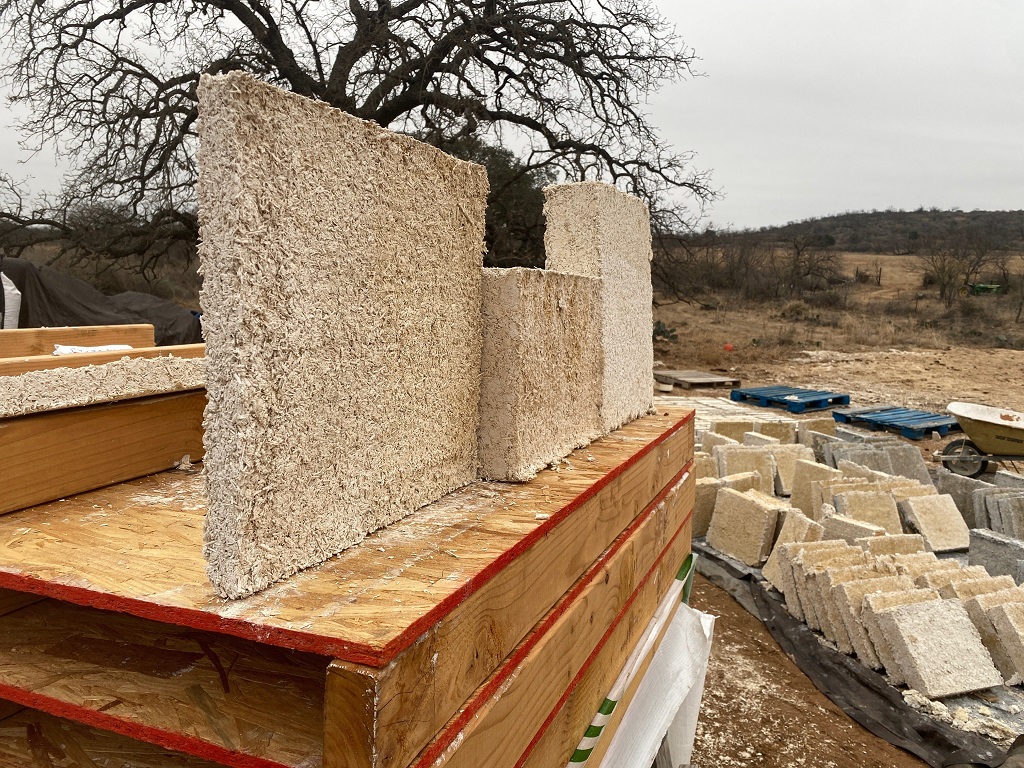
Hempcrete starts simple. Farmers harvest industrial hemp stalks. They strip the woody inner cores, called hurds. Mix those with lime binder and water. The result? A lightweight, moldable paste that hardens into strong insulation.
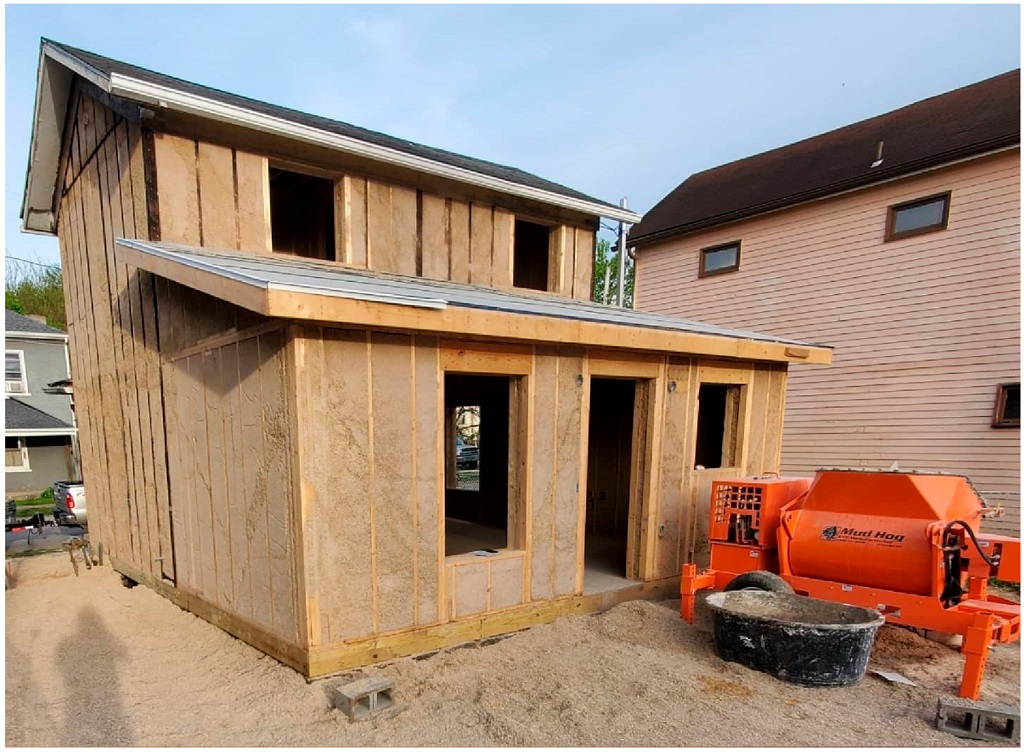
Unlike concrete, hempcrete bears no weight. It fills gaps in wooden or steel frames. Once set, it creates seamless walls. No joints mean fewer leaks.
R-value tells the story of heat flow. It gauges how well material resists transfer. Think of it as a shield against temperature swings. One inch of fiberglass might hit R-3. Hempcrete often lands around R-2.4 per inch. But stack it thick—say 12 inches—and you reach R-28 or more.
Why care? Poor insulation hikes energy use. The U.S. Department of Energy reports buildings eat 40% of national energy. Better R-values cut that. Hempcrete steps up with natural flair. It breathes. Moisture passes through, dodging rot and mold. Plus, hemp grows fast. One acre sequesters 10 tons of CO2 yearly, says the USDA.
Builders love it for retrofits. Spray or tamp it into old walls. It bonds tight, boosting whole-home efficiency.
Breaking Down Hempcrete Insulation R-Value: The Numbers Explained
R-value isn’t one-size-fits-all. It shifts with mix recipes. Denser hempcrete packs more lime. That ups strength but drops insulation a tad. Lighter blends prioritize air traps for higher R.
Core stats from fresh research paint the picture. ASTM C518 tests in 2024 peg standard hemp-lime at R-2.2 per inch. That’s solid for bio-materials. Push density low, around 200 kg/m³, and you hit R-3.5 or better. A PMC study from 2023 clocked thermal conductivity at 0.06 W/mK—translating to R-2.4 to 4.8 per inch.
Thermal conductivity ties in tight. Lower numbers mean less heat sneaks through. Hempcrete’s 0.05-0.14 W/mK range beats concrete’s 1.4 W/mK. Government labs like Canada’s NRC confirm this. Their 2022 report shows hemp walls hold steady in -20°C chills.
Factors tweak these values:
- Density Play: Light mixes (300 kg/m³) shine at R-3.0+. Heavy ones (500 kg/m³) dip to R-1.95 but add mass for heat storage.
- Moisture Magic: Dry hempcrete peaks performance. Wet? It absorbs humidity, buffering indoor air. A 2024 Frontiers case hit R-16.93 in real walls—damp yet efficient.
- Thickness Triumph: Codes demand R-20 for walls. At 10 inches, hempcrete delivers. No need for extra layers.
Real-world tests vary. Hempitecture’s 2025 data lists R-2.2 to 2.5 per inch. But add thermal mass effects? Energy savings climb 15-20%, per BCIT simulations.
Synonym alert: Thermal resistance, heat retention, U-value inverse—all point to the same win.
Hempcrete vs. Traditional Insulation: R-Value Face-Off
Stack hempcrete against old guards. Fiberglass batts claim R-3.1 per inch. But they itch installers and trap moisture. Spray foam blasts R-6.5 but relies on petrochemicals. Hempcrete? It sits comfy at R-2.4, but wins on health and eco.
Compare apples to apples. A 12-inch hemp wall hits R-29. Fiberglass needs 9 inches for R-28—plus vapor barriers. Hempcrete skips those. It diffuses vapor, keeping walls dry.
Academic deep dives highlight edges. A 2021 ScienceDirect study modeled cold climates. Hempcrete cut peak loads 25% over foam, thanks to phase-shift. Heat lags behind, evening temps.
Pros of hempcrete leap out:
- Breathable Build: Vapor permeability at 10 perms. No trapped sweat like plastic foams.
- Fire Fighter: Lime makes it non-combustible. Euro classes rate it A1—safer than cellulose.
- Sound Silencer: Absorbs noise at 0.8 NRC. Quieter homes, per ASTM acoustics tests.
Cons? Lower per-inch R means thicker walls. But in new builds, that adds charm. Curves and nooks fit organic designs.
Case in point: A UK retrofit swapped fiberglass for hemp. Energy use dropped 28%, says Natural Building Alliance. No more allergy flares from fibers.
Boosting Your Build: How Hempcrete R-Value Fits Real Projects
Theory meets dirt in case studies. Take a French chateau revamp. Builders cast 14-inch hemp walls. R-35 total. Winters warmed without spikes in bills. CO2 savings? 50 tons over 50 years, per LCA from INRAE labs.
Closer home, a Colorado passive house used Hempitecture blocks. R-2.5 per inch stacked to R-30. Simulations showed 40% less heat loss than stick-frame. Owners raved about steady 68°F indoors.
Numbered steps for your project:
- Assess Needs: Check local codes. Aim R-20+ for walls.
- Mix Right: Use 1:2:0.5 hurd-lime-water ratio for R-2.4 balance.
- Install Smart: Tamp in lifts of 12 inches. Let cure 4 weeks.
- Test It: Grab a heat flux meter. Verify post-dry R-values.
- Monitor Wins: Track bills. Expect 15-30% drops.
A Moroccan villa study in Global Environmental Change journal swapped clay bricks for hemp. R-22 walls cooled summers 5°C naturally. Carbon footprint? Half of standard builds.
These tales prove it. Hempcrete delivers. It molds to sites, from urban lofts to rural cabins.
Beyond R: Hempcrete’s Hidden Thermal Superpowers
R-value grabs headlines. But hempcrete hides gems. Thermal mass stores daytime sun. It radiates back at night, cutting furnace runs. A 2024 PMC paper quantified this: 20% less energy in variable climates.
Hygrothermal balance seals the deal. It soaks excess humidity, releasing slow. Indoor RH stays 40-60%—gold for lungs. No AC dehumidifiers needed.
Acoustic perks tag along. Porous structure muffles traffic roar. Labs clock 45 dB reduction.
Sustainability seals it. Hemp regrows in months. Lime hardens with air CO2, locking carbon. A USDA fact sheet notes one hemp house offsets 100 tons emissions lifetime.
Downsides? Curing takes time. Plan 2-8 weeks drying. But that builds strength slow and sure.
Myths Busted: Clearing the Air on Hempcrete Performance
Skeptics whisper. “Too slow to cure?” Truth: Spray methods speed it. Modern mixes set in days.
“Weak R?” Nope. Thick apps match synthetics. Plus, mass evens peaks.
“Mold magnet?” Laughable. Lime kills spores. Breathability banishes damp.
These busts come from trenches. Builders share on forums. Research echoes: Viable, vital.
Wrapping Warm: Why Hempcrete R-Value Changes the Game
Hempcrete insulation R-value hovers strong at 2.0-4.8 per inch. It stacks to code-beating totals. Breathable, massive, green—it redefines walls.
You gain steady temps, lower bills, healthier air. Earth wins with sequestered carbon.
Ready to insulate smart? Source local hemp. Consult pros. Build your thermal fortress today. Share your story—we cheer every green step.
Related Topics: Fix Roof Leak Under Solar Panels
FAQs
What Is the Typical Hempcrete Insulation R-Value?
Hempcrete hits R-2.2 to 2.5 per inch in standard mixes. Thicker walls push totals to R-25+. Tests vary by density.
How Does Hempcrete Compare to Fiberglass in R-Value?
Fiberglass edges per inch at R-3.1. But hempcrete’s mass and breathability save more energy overall—up to 25% in studies.
Can Hempcrete Meet Building Codes for Insulation?
Yes. At 10-12 inches, it exceeds R-20 requirements. Check local regs; approvals grow fast.
Does Moisture Affect Hempcrete’s R-Value?
Slightly. It buffers humidity well, holding R steady. Dry cures peak performance.
Is Hempcrete Suitable for Cold Climates?
Absolutely. Case studies show R-17 walls cut heat loss 5x over uninsulated frames. Mass fights chills.
Related Topics: How to build an off-grid home legally
References
- HempBuild Magazine: Hemp-Lime Passes ASTM R-Value Tests. https://www.hempbuildmag.com/home/hemp-lime-astm-r-value
- Frontiers in Sustainability: In-situ measurement of residential buildings with hempcrete walls. https://www.frontiersin.org/journals/sustainability/articles/10.3389/frsus.2024.1508940/full
- Hempitecture: Products Overview. https://www.hempitecture.com/products/
- PMC: Mechanical, Thermal, and Moisture Buffering Properties of Novel Insulating Hemp-Lime Composite. https://pmc.ncbi.nlm.nih.gov/articles/PMC7664188/