Imagine this. You wake up in your cozy wooden cabin, deep in the woods. Sunlight filters through the pines. Coffee brews on a quiet stove. No power lines stretch overhead. No monthly bills arrive. Just you, nature, and clean energy at your fingertips. Sounds like a dream? It is real for thousands today.
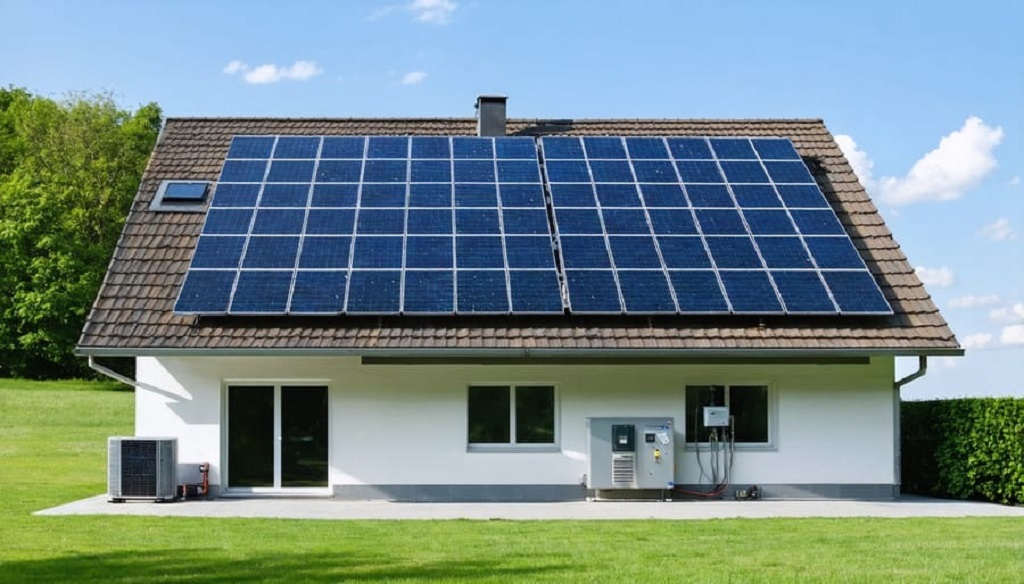
An off-grid cabin power system setup lets you live free from the main electrical grid. You generate your own electricity. Mostly from the sun, wind, or water. This setup includes solar panels to capture energy. Batteries to store it. Inverters to make it usable. It powers lights, fridges, and tools without a hitch.
People choose this life for many reasons. They seek peace away from cities. They want to cut carbon footprints. Or they prep for outages that hit hard. According to the National Renewable Energy Laboratory (NREL), off-grid solar systems now support over 398 million people worldwide by 2030 with smart investments. The U.S. Department of Energy (DOE) reports the off-grid solar market hit 12.23 gigawatts in 2025 alone. These numbers show a boom. Folks like you build resilient homes. They embrace self-reliance. Ready to join them? Let’s dive in.
Why Choose an Off-Grid Cabin Power System Setup?
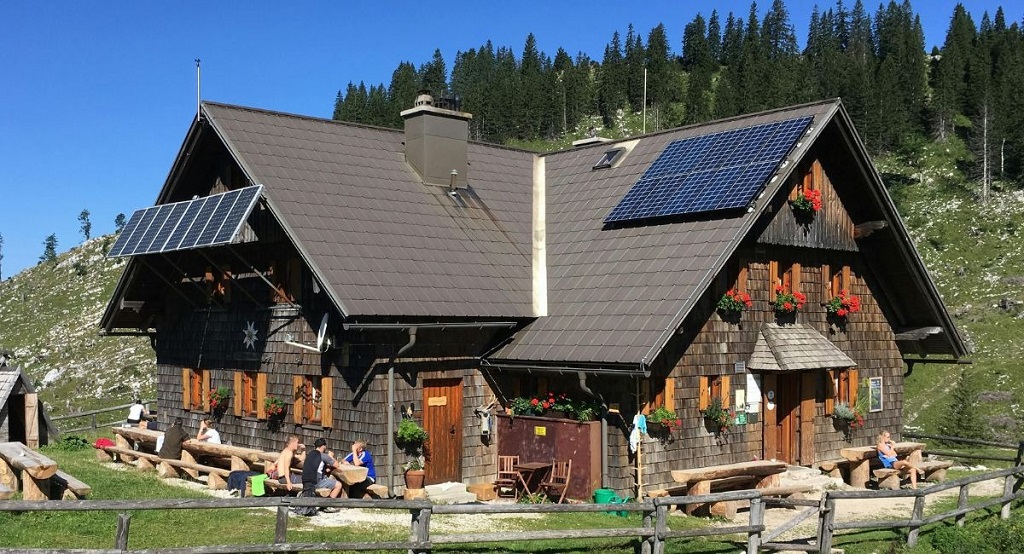
Picture Sarah. She bought a plot in the Rockies last year. Tired of blackouts from storms. She wanted a weekend retreat that ran on its own power. Sarah started small. A few solar panels. A battery bank. Now her cabin hums along. Lights glow at night. Her well pump runs smooth. She saves cash and stress.
Off-grid setups shine in remote spots. No utility poles needed. You dodge rising electric rates. Plus, you help the planet. Solar avoids fossil fuels. It cuts emissions. NREL research shows these systems boost grid resilience. They island during disasters. Your cabin stays lit when others go dark.
Think about costs too. Upfront work pays off. No endless bills. DOE data backs this. Off-grid solar grows at 7.32% yearly through 2030. More homes go independent. You gain freedom. Control your energy. Tailor it to your needs. Whether full-time living or quick getaways, it fits.
But it takes planning. Match power to your life. Sarah learned that fast. She skipped big fridges at first. Opted for efficient LEDs. Her system works year-round. Yours can too. Next, we assess what you need.
Step 1: Assess Your Energy Needs for the Cabin
Start here. List every gadget in your cabin. Fridge? Lights? Pump? Tools? Write them down. Note how long each runs daily. A typical cabin uses 1-3 kilowatt-hours per day for basics. Add more for comforts like a microwave.
Take Mike’s story. He lives off-grid in Alaska. Winters bite hard. He tallied his loads first. Fridge: 100 watts for 8 hours. Lights: 50 watts for 5 hours. Pump: 500 watts for 1 hour. Total: about 2 kWh daily. Mike aimed high. He planned for 3 kWh. That covers cloudy days.
Use a simple table. Track watts and hours. Multiply for watt-hours. Sum it up. Factor in seasons. Summer needs less heat. Winter craves more. NREL tools help here. Their load calculators factor weather data.
- Basics only: Lights, phone charging, small fan. Under 1 kWh/day.
- Moderate use: Fridge, lights, radio, occasional tools. 1-2 kWh/day.
- Full comforts: Fridge, microwave, TV, pump, heat pump. 3+ kWh/day.
Oversize by 20%. Clouds steal sun. Batteries drain fast in cold. Mike added buffer. His setup thrives now. Yours will too with honest math.
Step 2: Pick the Right Solar Panels for Your Setup
Solar panels catch sunlight. They turn it to DC power. For cabins, monocrystalline types win. They pack tight. Work well in shade. Aim for 300-400 watts per panel.
John runs a cabin in Oregon. Rainy spells test systems. He chose 10 panels at 350 watts each. Ground-mounted for easy clean. They face south. Tilted at 30 degrees. Output: 3.5 kW peak.
Size your array. Divide daily needs by sun hours. U.S. averages 4-5 hours. For 3 kWh needs, grab 1 kW array. Oversize for winter. DOE suggests 1.5 times in low-sun areas.
Mount smart. Roof for space save. Ground for access. Secure against wind. NREL tests show proper tilt boosts yield 25%.
- Panel types: Monocrystalline (efficient, pricey). Polycrystalline (cheaper, bulkier). Thin-film (flexible, less output).
- Quantity: 4-6 for small cabins. 8-12 for bigger.
- Brands to eye: Renogy, Canadian Solar. Reliable per 2025 reviews.
John’s panels hum. They charge fast post-rain. Pick yours. Match site sun. Get pro advice if new.
Step 3: Select Batteries for Reliable Storage
Batteries hold your power. Use it at night or storms. Lithium-ion rules now. They last longer. Weigh less than lead-acid. Cycle 3,000+ times.
Lisa’s Maine cabin uses a 10 kWh lithium bank. Four 100Ah batteries at 48V. They store two days’ worth. Deep discharge to 80% safe. No sulfation woes.
Size right. Days of autonomy: 2-3 minimum. Capacity = needs x days / voltage. For 3 kWh, 48V system: about 150Ah. Add 20% loss.
NREL research highlights lithium perks. Faster charge. Better cold performance. 2025 models integrate smart BMS. Monitors health. Prevents overcharge.
- Types: Lithium (top pick). AGM lead-acid (budget, heavy).
- Capacity tips: Start 5-10 kWh for cabins. Scale up.
- Maintenance: Check connections. Ventilate space.
Lisa sleeps easy. Power flows steady. Batteries bridge gaps. Choose wisely.
Step 4: Choose an Inverter to Power Your Appliances
Inverters flip DC to AC. Your cabin gear needs AC. Pure sine wave types shine. They run sensitive stuff smooth. No hum or damage.
Tom’s Idaho setup uses a 3 kW hybrid inverter. It ties solar, battery, genny. Surge to 6 kW for pumps. Efficiency: 95%.
Match size to peak loads. Fridge start: 1,000 watts surge. Total system: 1.5 times continuous needs. 2025 hybrids add MPPT charge control. One box does all.
DOE guides stress grounding. Bond frames. Earth rod key. Safety first.
- Types: Pure sine (best). Modified (cheap, noisy).
- Sizes: 1-2 kW small. 3-5 kW full cabin.
- Features: Remote monitor. Gen auto-start.
Tom flips switches. Power surges right. Inverter heart beats strong.
Step 5: Add Charge Controllers and Balance of System
Charge controllers regulate flow. MPPT types max harvest. 20-30% more than PWM.
Emma’s cabin pairs 60A MPPT with panels. It tweaks voltage. Feeds battery optimal.
Balance of system (BOS) glues it. Wires, fuses, breakers. DC disconnects halt flow safe. Meters track output.
NREL stresses quality. Undersize kills efficiency. 2025 BOS includes smart apps. Phone checks status.
- Controller sizing: Amps = array watts / battery volts.
- BOS musts: Fuses per string. Grounding kit.
- Wiring: 10-6 AWG. Short runs cut loss.
Emma tweaks via app. System optimizes daily.
Step 6: Integrate Backup Options Like Wind or Generators
Solar rules, but backups help. Wind turbines spin in gusts. Small 1 kW units add night power.
Rural cabins near streams try micro-hydro. Steady flow beats variable sun.
Generators bridge deep winter. Propane quiet. Auto-start links inverter.
Per NREL, hybrids cut gen run 50%. Case: Colorado cabin blends solar-wind. 80% renewable.
- Wind: 400-1,000W towers. Site survey first.
- Hydro: 100-500W setups. Permit water rights.
- Gen: Inverter type. Fuel store safe.
Layer options. Reliability soars.
Step 7: Design and Install the Full System
Plan layout. Panels south, clear sky. Batteries cool, dry shed. Inverter near loads.
Wire series-parallel. Panels string for volts. Batteries parallel amps.
Step-by-step install:
- Mount panels. Secure racks.
- Run wires. Label all.
- Install controller. Connect array.
- Hook batteries. Torque tight.
- Wire inverter. Ground full.
- Test loads. Meter check.
- Commission. Run full day.
Hire electrician if unsure. Codes vary. NREL’s ARIES lab tests safe designs.
Mark’s DIY took weekends. Now automated. Yours builds steady.
Maintenance and Optimization Tips
Keep clean. Wipe panels monthly. Check wires quarterly. Batteries: equalize if lead.
Monitor via apps. 2025 systems alert faults. NREL tips: annual pro inspect.
Optimize: Add panels yearly. Upgrade batteries as tech drops.
Troubleshoot: Low output? Shade check. No charge? Fuse blow.
Stories abound. One family caught early fault. Saved bank.
Routine wins. System lasts 20+ years.
Real-World Case Studies: Lessons from Off-Grid Pioneers
Meet the Andersons. Wyoming cabin, 2024 build. 4 kW solar. 15 kWh lithium. Powers family of four. Winter gen backup. DOE-inspired. They cut “bills” zero. Kids learn sustainability.
Then Alex in Vermont. Tiny cabin. 1 kW array. 5 kWh bank. Weekend use. NREL load calc guided. Starlink runs fine. No frills, pure joy.
Reddit threads share more. Arizona user: 15 acres, full solar. Tips: Oversize batteries. Avoid big AC.
These tales prove it. Adapt to site. Start small. Grow smart.
Related Topics: build an off-grid home legally
Conclusion: Power Up Your Off-Grid Dream Today
You hold the blueprint. Assess needs. Pick panels, batteries, inverter. Install safe. Maintain keen. Backups seal it.
Off-grid cabin power system setup frees you. Saves earth. Builds skills. NREL and DOE pave the way. Join the 398 million by 2030.
Take action. Sketch your loads tonight. Source parts tomorrow. Build weekends. Your cabin awaits. Energy independence calls. Answer it.
Related Topics: Sustainable Materials in Modern Architecture
FAQs
What Size Off-Grid Cabin Power System Setup Do I Need?
It depends on loads. Basics: 1-2 kW solar, 5 kWh battery. Full home: 5+ kW, 20 kWh. Use calculators for exacts.
How Long Do Solar Panels Last in an Off-Grid Setup?
Quality panels endure 25-30 years. Output dips 0.5% yearly. Clean regular for peak.
Can I Add Wind to My Solar Cabin System?
Yes. Wind complements cloudy days. 500W turbine adds 1-2 kWh daily in breezy spots. Check zoning.
What’s the Best Battery for Cold Climates?
Lithium-ion. Handles freezes better. NREL tests show 90% capacity at 0°F.
How Do I Monitor My Off-Grid Power System?
Use apps from inverters. Track volts, amps, state of charge. Alerts flag issues early.
References
- National Renewable Energy Laboratory (NREL). “Off-Grid Solar Market Trends 2025.” https://www.nrel.gov/docs/fy25osti/xxxx.pdf
- U.S. Department of Energy (DOE). “Off-Grid Solar Energy Market Report.” https://www.energy.gov/eere/solar/off-grid-solar-energy-market
- DataIntelo. “Off-Grid Solar Power Systems Market Report.” https://dataintelo.com/report/off-grid-solar-power-systems-market
- Market Research Future. “Off-Grid Solar Market Size, Share, Growth Report.” https://www.marketresearchfuture.com/reports/off-grid-solar-market-7227
- Fortune Business Insights. “Off Grid Solar Power Market Size.” https://www.fortunebusinessinsights.com/industry-reports/off-grid-solar-power-market-101736