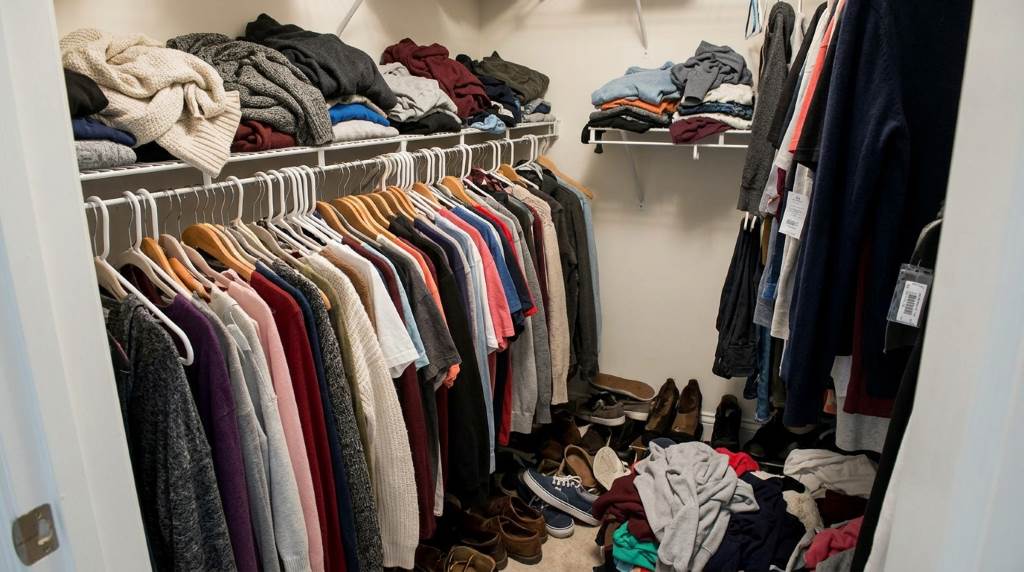
Closet waste continues growing as people buy more clothing while wearing each item less often. According to the Environmental Protection Agency, millions of tons of textiles enter landfills every year, while the average consumer purchases significantly more clothing than decades ago. Many residents now explore solutions like an eco friendly clothing swap to reduce unnecessary disposal. Understanding why closet waste matters helps households save money while protecting valuable local resources.
Understanding Closet Waste in Austin
Closet waste happens when usable clothing remains forgotten, unused, or quickly discarded after limited wear. This pattern creates unnecessary landfill waste and increases demand for new textile production every year.
Fast fashion encourages frequent purchases through affordable prices and constantly changing styles. Meanwhile, many households overlook simple habits that extend clothing life and reduce unnecessary consumption.
Small lifestyle changes often create meaningful environmental benefits over time. For example, adopting sustainable gift wrapping ideas encourages broader sustainable thinking beyond clothing purchases.
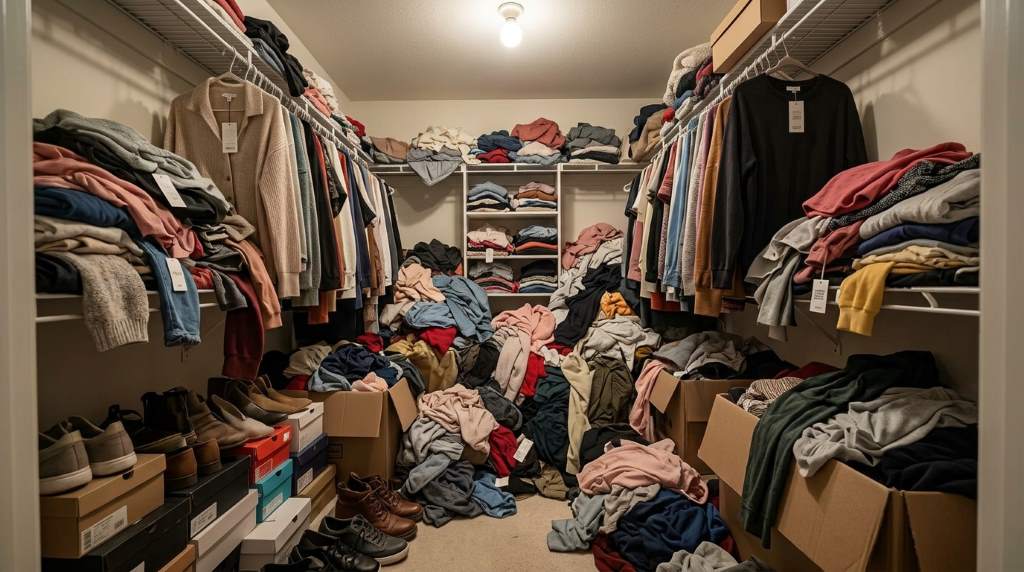
Why Closet Waste Creates Local Challenges
Every unwanted garment requires transportation, storage, recycling, or landfill space after disposal. Consequently, growing textile waste increases pressure on local waste management systems and community resources.
Many donated clothes never reach another owner because supply exceeds actual demand. Instead, some textiles eventually become waste despite entering donation channels with good intentions.
Residents also face financial losses because unused clothing represents money spent without lasting value. Therefore, thoughtful purchasing benefits both personal budgets and environmental sustainability.
Environmental Effects of Excess Clothing
Textile manufacturing requires significant amounts of water, energy, and raw materials throughout production. Every unnecessary purchase increases environmental impacts before clothing even reaches the closet.
Synthetic fabrics may release microplastics during washing, affecting waterways and surrounding ecosystems. Natural fibers generally offer advantages when sourced responsibly and maintained carefully.
Sustainable living extends beyond wardrobes because homes also influence environmental health. Many homeowners also explore eco friendly flooring options while improving healthier indoor spaces.
Common Reasons People Accumulate Too Many Clothes
Impulse shopping remains one of the biggest causes of overflowing closets. Attractive discounts often encourage purchases without considering actual wardrobe needs.
Emotional buying also contributes because clothing sometimes provides temporary satisfaction after stressful situations. However, those feelings usually fade while unused garments continue accumulating.
Another common reason involves keeping clothes for unrealistic future expectations. People frequently save outdated pieces despite having little intention of wearing them again.
How Closet Waste Affects Personal Finances
Unused clothing quietly reduces available household income over many years. Every forgotten purchase represents money that could support more valuable financial priorities.
Organizing crowded closets also consumes valuable time during busy mornings and seasonal changes. Cleaner wardrobes simplify daily routines while reducing unnecessary decision fatigue.
Families often discover duplicate purchases because hidden clothing remains overlooked inside packed storage spaces. Better organization prevents repeated spending on similar items.
Practical Ways to Reduce Closet Waste
Creating intentional shopping habits remains the most effective long term solution. Always evaluate whether new clothing complements existing outfits before completing any purchase.
- Create a seasonal clothing inventory.
- Donate wearable garments regularly.
- Repair damaged clothing before replacing it.
- Buy durable, versatile pieces.
- Avoid impulse shopping during sales.
Simple sustainable choices often inspire additional environmentally responsible habits throughout daily life. Likewise, many professionals appreciate eco friendly lunch box solutions for reducing everyday waste.
Organize Your Closet More Effectively
Sort Clothing by Use
Group frequently worn clothing separately from occasional or seasonal items for easier access. This method quickly identifies forgotten garments that deserve regular use or donation.
Follow the One In One Out Rule
Remove one similar item whenever adding something new into your wardrobe collection. Consequently, closet space remains manageable without constant expansion.
Schedule Seasonal Reviews
Review every clothing category at least twice each year for better organization. Regular evaluations prevent unnecessary accumulation before storage becomes overwhelming.
Support Sustainable Community Habits
Community events encourage responsible clothing sharing while reducing unnecessary purchases across neighborhoods. Clothing exchanges also help participants refresh wardrobes without increasing textile waste.
Local repair businesses extend garment life through affordable alterations and professional mending services. Supporting these businesses strengthens both sustainability efforts and the local economy.
Schools, workplaces, and community organizations can promote responsible clothing practices through educational campaigns. Shared awareness creates lasting environmental improvements across future generations.
Conclusion
Closet waste creates environmental, financial, and organizational challenges that affect everyday life in meaningful ways. Fortunately, thoughtful purchasing, better organization, and responsible disposal significantly reduce unnecessary textile waste.
Start reviewing your wardrobe today and keep only clothing that truly serves your lifestyle. Small actions completed consistently will create lasting benefits for both your home and your community.
Frequently Asked Questions
What is closet waste?
Closet waste refers to wearable clothing that remains unused before eventually being discarded.
Why does closet waste matter?
It increases landfill waste, wastes resources, and creates unnecessary household expenses.
How often should I clean my closet?
Review and organize your closet at least twice every year.
Can donating clothes completely solve closet waste?
No, buying thoughtfully remains more effective than relying only on donations.
What is the easiest way to reduce closet waste?
Purchase fewer high quality garments and wear them more frequently.