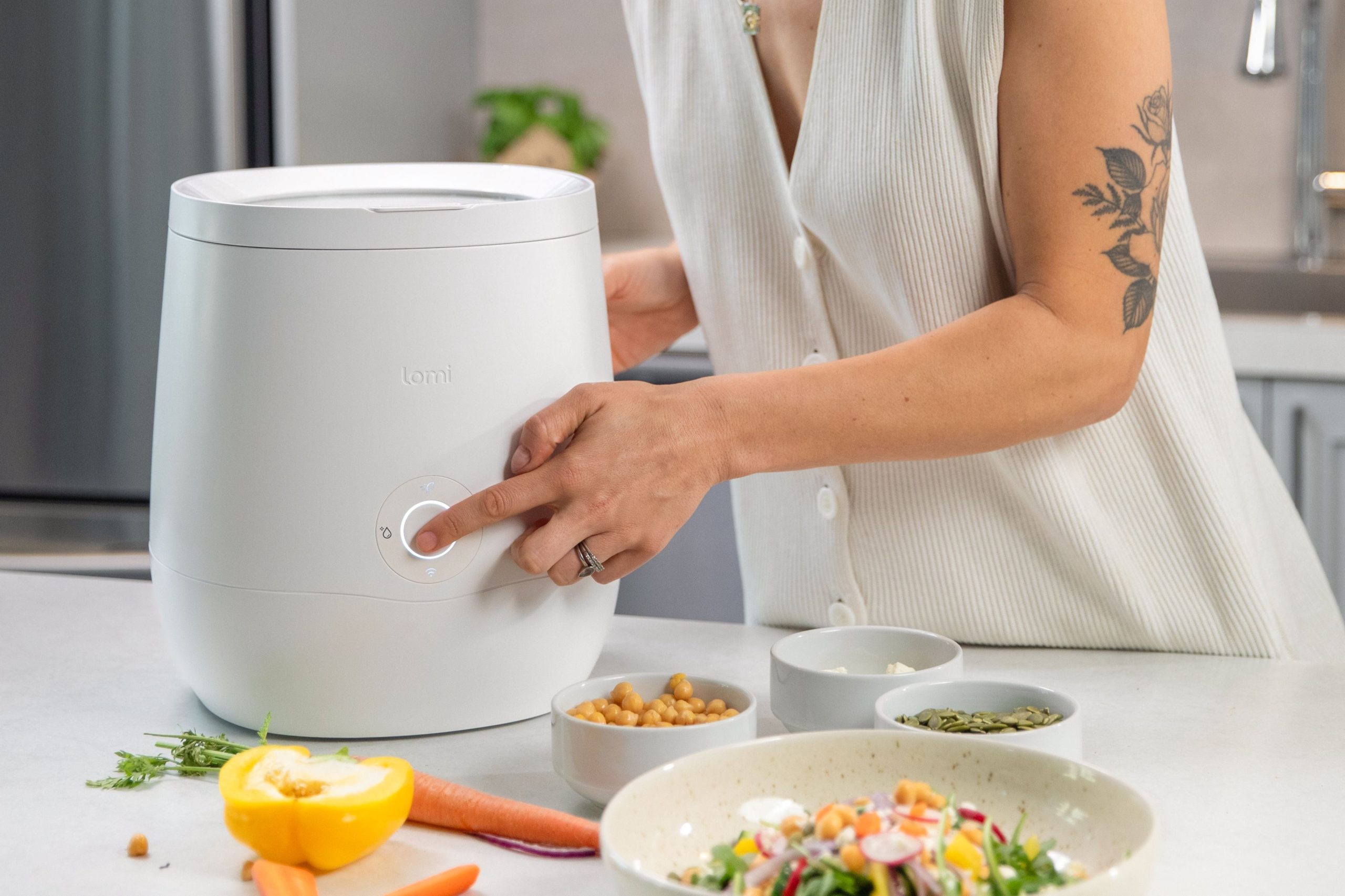
Imagine this: You chop veggies for dinner. Peels and cores pile up. Instead of tossing them in the trash, you drop them into a sleek box on your counter. Hours later, you get dry, crumbly material ready to feed your plants. No smells. No mess. Just pure eco-win.
That’s the power of electric composters for kitchen countertops. These compact devices grind and dry food scraps fast. They turn waste into a soil booster you can use right away. Think of them as mini recycling heroes for your home.
Food waste hits hard. The EPA notes that U.S. households toss 66 million tons of food yearly. That’s enough to fill 22 million cars. Only 5% gets composted, per EPA data. The rest rots in landfills, pumping out methane. Methane traps heat 25 times better than CO2. Composting cuts that risk. It keeps scraps out of dumps and builds better dirt.
I remember my first try. Scraps stank in a bag under the sink. Flies buzzed in. Then I got an electric unit. Now, my kitchen stays fresh. My tomatoes thrive on the output. You can do this too. Let’s dive in.
What Are Electric Composters for Kitchen Countertops?
Electric composters sit right on your counter. They look like small appliances, about the size of a coffee maker. You load in peels, cores, eggshells. Hit start. Heat, grind, and air do the work.
Unlike old-school piles in the yard, these run indoors. No yard needed. They shrink waste by up to 90%. Output weighs less and takes less space. It’s not full compost yet. Think pre-compost or soil amendment. Mix it in dirt, and microbes finish the job.
Models vary. Some grind bones and meat. Others stick to veggies. All aim to cut trash trips. EPA backs home composting. It saves energy and fights climate change.
How Do Electric Composters Work?
Start simple. Chop scraps small if needed. Add to the bucket. Seal it. Pick a cycle: quick dry or full grind.
Inside, a motor spins blades. Heat hits 140-160°F. That kills germs and dries moisture. Fans blow air to speed things up. In 3-24 hours, wet scraps turn dry powder.
Science backs it. USDA research shows heat plus air breaks down organics fast. No bugs breed. No stink spreads. Output has nutrients like nitrogen and potassium. Plants love that.
Picture Sarah, a city mom. She runs hers nightly. Scraps from family meals vanish. Her balcony herbs grow lush. Yours could too.
Benefits of Electric Composters for Kitchen Countertops
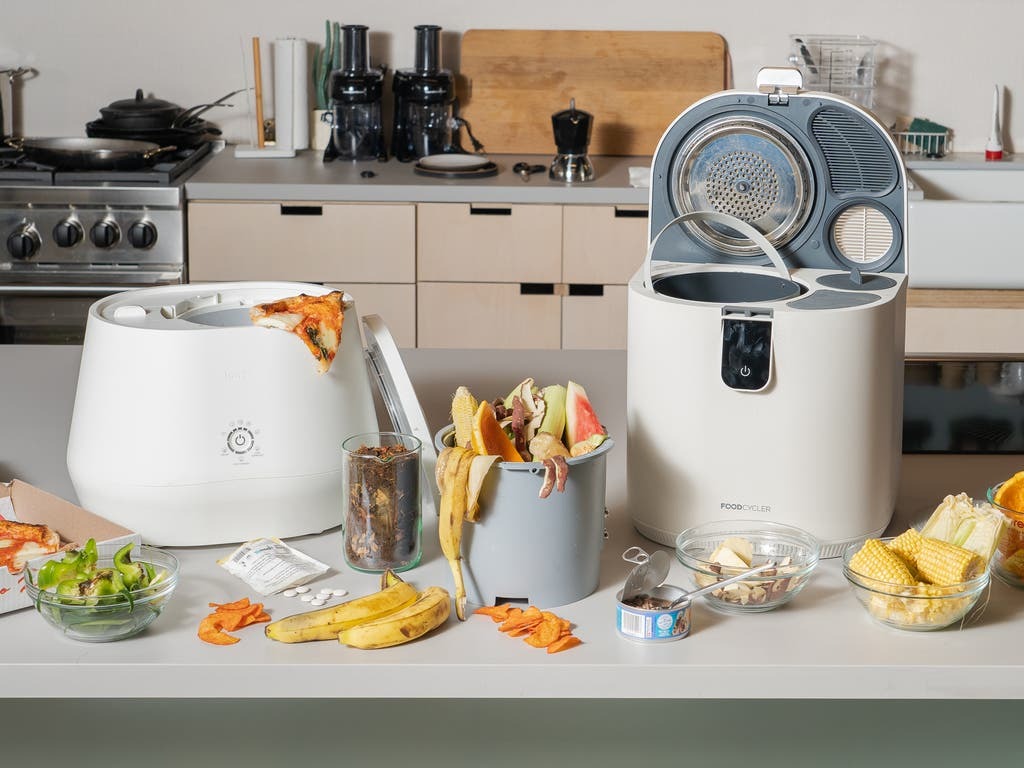
These gadgets shine in small spaces. Apartments welcome them. No outdoor bin means no critters digging.
Cut Waste and Emissions
Landfills choke on food scraps. EPA says wasted food causes 58% of dump methane. One unit diverts pounds weekly. That’s real change.
Odor-Free Kitchens
Filters trap smells. Charcoal or carbon blocks funk. Rinse the bucket. Done.
Quick Results
Wait months for yard compost? Not here. Day-one output boosts pots or lawns.
Nutrient Boost
Output enriches soil. Studies from Penn State show it holds water better. Roots dig deeper.
Easy Habits
Kids help load it. No gross trips outside in rain.
A 2024 EPA report ties home tools like these to 4% more composting nationwide. Small steps add up.
Drawbacks and Realistic Expectations
Not perfect. Output needs soil time to mature. Direct use risks mold, per BioCycle tests. Mix it in beds, not top-dress.
Energy use? Low. About 5 kWh monthly, like a light bulb.
Space hogs? Some models span 12 inches. Measure your counter.
Experts like Ron Alexander warn: It’s dehydration, not true compost. But it starts the chain. Better than trash.
Choosing the Right Electric Composter for Your Kitchen
Pick based on needs. Solo cook? Go compact. Big family? Larger bucket.
Key Features to Look For
- Capacity: 1-3 pounds per load. Matches daily scraps.
- Cycles: Eco for greens, grow for full mix.
- Filters: Replace every few months. Keeps air clean.
- Noise: Under 50 decibels. Quiet as a fridge.
- Size: Fits 12×12 inch spot.
Top Types
- Grinders: Like Vitamix FoodCycler. Handles variety.
- Dehydrators: Lomi style. Fast dry.
- Full Recyclers: Mill. Kid-friendly pods.
Read reviews. Wirecutter tested six. Most shrink waste well, but check output maturity.
Match your style. Sleek stainless for modern kitchens. White for cozy vibes.
Best Practices for Using Electric Composters in Kitchens
Success comes from routine. Follow these steps.
Daily Setup
- Rinse scraps first. Less gunk.
- Chop big items. Speeds process.
- Balance loads: Veggies plus coffee grounds.
Running Cycles
- Fill halfway. Avoid overflows.
- Select mode: Express for urgency.
- Run empty clean cycle weekly.
Odor Control Tips
- Use liners. Compostable bags ease dump.
- Wipe bucket post-use. Vinegar kills bacteria.
- Place near sink. Quick access.
From Good Housekeeping tests: Empty daily in humid spots. Prevents fruit flies.
Storage Hacks
- Output in jars. Label dates.
- Freeze extras. Bags in door.
A 2025 Compost Culture guide stresses ventilation. Open window during runs.
What Can You Compost in Electric Units?
Most handle veggie peels, fruit cores, grains. Check manual.
Greens (Nitrogen-Rich)
- Lettuce trimmings
- Banana skins
- Eggshells (crushed)
Browns (Carbon-Rich)
- Bread crusts (small)
- Coffee filters
- Tea bags (no staples)
Tricky Items
- Meat: Some models ok, but skip if unsure. Attracts issues.
- Dairy: Test small. Oils clog.
- Oils: Wipe, don’t pour.
Avoid plastics, metals. EPA lists safe scraps: 28% of trash is organics.
Case: One family cut bin fills by half. Veggie-only loads worked best.
Integrating Electric Composters into Your Routine
Make it habit. Set phone reminder: “Scrap time.”
Story time: Mike, busy dad, links it to coffee. Grounds go in first. Kids toss peels after school.
Pair with apps. Track waste saved. Motivate.
Community tie-in: Drop mature output at gardens. Share wins.
Environmental Impact: Real Numbers
Composting fights climate. EPA: Divert one ton food waste? Saves 0.24 tons CO2.
Household scale: Four-person home diverts 300 pounds yearly. That’s 71 pounds less methane.
USDA on-farm studies show compost builds soil carbon. Holds water in droughts.
Global view: UNEP says composting cuts planet impact. U.S. leads with tools like these.
Using the Output: Garden and Beyond
Output is gold. Mix 20% into soil. Boosts microbes.
For Plants
- Houseplants: Top-dress pots.
- Veggies: Side-dress rows.
- Lawns: Spread thin.
Wait two weeks. Let it cure. Penn State labs confirm: pH balances then.
Other Uses
- Mulch paths.
- Worm food.
- Donate to schools.
Example: Urban farm in NYC uses home outputs. Yields up 15%.
Maintenance and Cleaning Tips
Keep it humming. Wipe daily. Deep clean monthly.
- Bucket: Dishwasher safe? Check. Else, soap soak.
- Filters: Swap quarterly.
- Blades: Brush gently. No water inside.
Vinegar spray fights buildup. Dry fully.
From Wired reviews: Neglect leads to clogs. Routine wins.
Comparing Electric Composters to Traditional Methods
Yard bins? Free but slow. Smelly in heat.
Worm bins? Quiet, but space hogs.
Curbside? Easy, but truck emissions.
Electric? Fast, indoor. Best for apartments.
BioCycle survey: 60% facilities handle under 5,000 tons food waste. Home units fill gaps.
| Method | Speed | Space | Odor | Cost |
| Electric Countertop | Hours | Low | None | Medium |
| Backyard Pile | Months | High | Possible | Low |
| Vermicompost | Weeks | Medium | Low | Low |
| Municipal | Varies | None | N/A | Low |
Choose based on life.
Real Stories: Users Share Wins
Take Lisa from Chicago. No yard. Her unit cut trash 40%. Balcony blooms now.
Tom in Seattle: Family of five. Handles meat scraps. Less haul to bin.
From Reddit threads: Many love ease. Some mix with yard compost for full cycle.
These tales show: It fits real lives.
Future of Home Composting Tech
2025 brings smarts. App controls. AI balances loads.
EPA Compost 2025: More grants for tools. Boosts access.
Research grows. Universiti Brunei tests maturity. Pushes better outputs.
Innovation: Solar-powered? Biodegradable parts.
You’re part of it. Start small.
Conclusion
Electric composters for kitchen countertops change the game. They shrink waste, freshen homes, feed gardens. You cut methane, save space, grow better.
Key wins: Fast process, no odors, easy use. Balance with curing for best results.
Ready? Pick a model. Load your first scraps. Watch magic happen. Your kitchen, your planet. Start today.
FAQs
What Foods Work Best in Electric Composters for Kitchen Countertops?
Stick to veggie peels, fruit scraps, grains. Chop small. Avoid liquids. Models vary—check guides.
How Often Should I Empty My Electric Composter?
Daily for storage bins. Process full loads every 1-2 days. Matches household flow.
Can Electric Composters Handle Meat or Dairy?
Some do, like grinders. Others skip to avoid clogs. Start veggie-only.
Is the Output Safe for Edible Gardens?
Yes, after curing two weeks. Mix in soil. Boosts health without risks.
Do Electric Composters Save Space in Small Kitchens?
Absolutely. Countertop size fits apartments. Reduces bin runs.
Related Topics: The Rise of Bioplastic Bottles