Bringing your own lunch to work is a smart move. It saves money and helps you eat healthier. However, the container you use matters just as much as what you put inside it. Choosing an eco friendly lunch box reduces plastic waste and supports a cleaner planet. Additionally, it can last for years, saving you money in the long run.
This guide will help you pick the best eco friendly lunch box for your office routine. You will learn what materials to look for, what features matter most, and how to match your choice to your daily needs.
Why Your Lunch Box Choice Matters
Every year, millions of plastic containers end up in landfills. Many single-use bags and flimsy plastic boxes are used once and thrown away. This creates a massive environmental problem. Therefore, switching to an eco friendly option is one of the easiest changes you can make.
Beyond the environment, eco friendly lunch boxes are often safer for your health. Many plastic containers contain harmful chemicals like BPA. These chemicals can leach into your food, especially when the container is heated. Natural and food-grade materials do not carry this risk.
Additionally, sustainable lunch boxes tend to be more durable. They hold up better over time and maintain their quality through daily use. So, choosing green is a win for both the planet and your wallet.
Understanding Eco Friendly Materials
The first step in selecting a lunch box is understanding the materials available. Not all eco friendly options are the same. Each material has its own benefits and trade-offs.
Stainless Steel
Stainless steel is one of the most popular choices for eco friendly lunch boxes. It is durable, rust-resistant, and completely free of harmful chemicals. Steel boxes do not absorb odors or stains. They are easy to clean and can last for many years with proper care.
However, stainless steel is heavier than plastic alternatives. It is also not microwave-safe. If you need to heat your food at the office, you will need to transfer it to another container first.
Bamboo and Natural Fiber
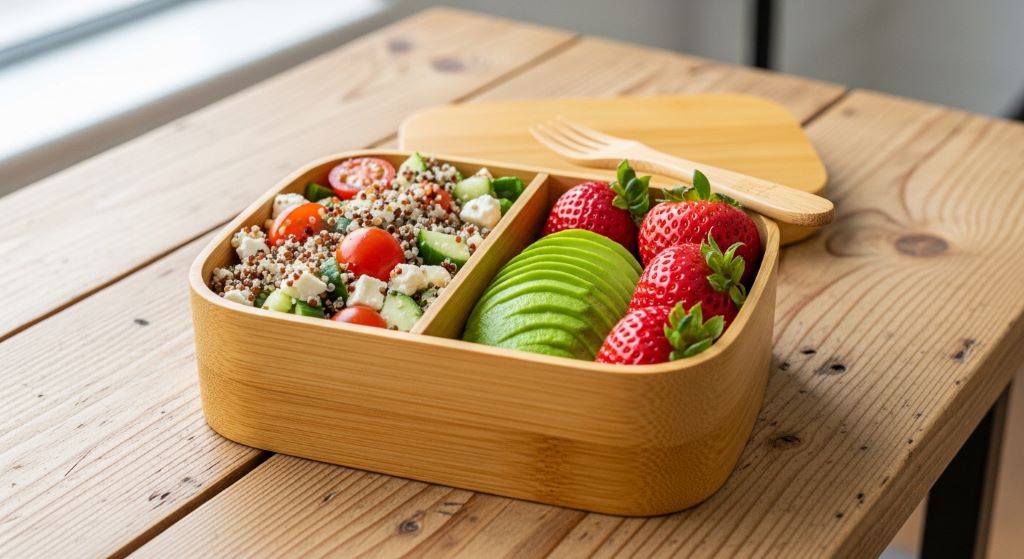
Bamboo is a fast-growing, renewable resource. Lunch boxes made from bamboo fiber or bamboo composites are lightweight and biodegradable. They have a natural, attractive appearance that many people enjoy.
The downside is that bamboo composites sometimes use binding resins that may not be fully natural. Therefore, always check the product label to confirm the materials used. Look for boxes that use food-safe, non-toxic binders.
Glass
Glass lunch boxes are an excellent choice for health-conscious office workers. It does not react with food and is completely free of chemicals. It is also microwave-safe, which makes reheating very convenient.
However, glass is heavier and more fragile than other options. A sturdy, well-fitted lid is essential to prevent spills. Additionally, consider a silicone sleeve or protective casing to reduce the risk of breakage during your commute.
Recycled Plastic
Some eco friendly lunch boxes are made from recycled plastics, such as post-consumer recycled (PCR) materials. These products give plastic a second life and reduce demand for virgin plastic production. They are lightweight and affordable.
That said, recycled plastic still has limitations. It may not be as long-lasting as steel or glass. Over time, plastic can degrade and may eventually need to be replaced.
Key Features to Look For
Once you understand the materials, focus on the features that make a lunch box practical for office use.
Leak-Proof Seal
A good lunch box must keep liquids inside. Look for boxes with a tight-fitting, leak-proof lid. Silicone gaskets or locking clasps provide a reliable seal. This is especially important if you carry soups, sauces, or wet foods.
Compartments and Size
Think about how much food you typically bring to work. A box with multiple compartments lets you keep different foods separate. This prevents mixing of flavors and keeps your meal organized. Choose a size that fits comfortably in your bag without wasting space.
Insulation
If your office does not have a refrigerator, an insulated lunch box is a must. Insulated options keep food cold for several hours. Some even come with insulated pouches or bags for added protection. This feature helps you avoid foodborne illness and enjoy your meal at the right temperature.
Ease of Cleaning
You will use your lunch box every day. Therefore, it must be easy to clean. Look for boxes that are dishwasher-safe or have smooth surfaces that are simple to hand-wash. Avoid boxes with too many small crevices where bacteria can hide.
Portability
Consider how you travel to work. If you walk or cycle, a compact and lightweight box works best. If you drive, size is less of a concern. A box with a handle or one that fits inside a tote bag is ideal for commuters.
Matching Your Lunch Box to Your Meal Planning Style
Your lunch habits play a big role in the best choice for you. Think carefully about what you typically bring to work.
For Hot Meals
If you often bring soups, stews, or reheatable meals, a glass or microwave-safe container is ideal. Glass handles heat well and does not leach chemicals when warmed. Alternatively, bring a stainless steel box and use the office microwave after transferring your food to a mug or bowl.
For Salads and Cold Meals
Stainless steel and glass both work well for cold foods. Look for a wide, flat box that gives you room to toss a salad. A compartment for dressing keeps your greens from getting soggy. Therefore, a multi-section box is a great fit for salad lovers.
For Snacks and Light Lunches
If you prefer lighter meals or a selection of snacks, a small bento-style box is a smart pick. These boxes have several small compartments that keep items like fruit, nuts, crackers, and cheese neatly separated. Many bamboo and stainless steel bento boxes are available in compact sizes perfect for snack-style lunches.
For Meal Preppers
If you plan your meals for the whole week, choose a box that stacks easily and stores well in the fridge. Glass containers with matching lids are great for this purpose. They seal tightly and can go directly from fridge to microwave. Additionally, buying a set of matching containers keeps your fridge organized.
Budget Considerations
Eco friendly lunch boxes vary widely in price. A basic stainless steel box can cost as little as fifteen dollars. A high-quality glass set or a premium insulated option might cost fifty dollars or more.
Think of it as an investment. A well-made eco friendly lunch box can last five to ten years. Over that time, it saves far more than the initial cost. Additionally, it replaces hundreds of disposable bags and containers that would otherwise end up in the trash.
However, you do not need to spend a lot to make a good choice. Many affordable bamboo and recycled plastic options perform very well. Start with a mid-range option and upgrade once you know your preferences.
Certifications and Labels to Trust
Shopping for eco friendly products can be confusing. There are many claims and labels out there. However, some certifications are reliable guides.
Look for these markers when shopping:
- BPA-free or BPA/BPS-free labels on any plastic or composite products
- Food-grade stainless steel certification, typically marked as 18/8 or 304-grade
- LFGB or FDA food safety certification for glass and silicone components
- Certified B Corporation status, which signals strong environmental and social standards
- ISO 14001 certification, indicating the manufacturer follows environmental management practices
These labels give you confidence that the product meets safety and sustainability standards.
Tips for Long-Term Care
Choosing the right box is only part of the picture. Taking care of it properly ensures it lasts for years.
- Wash your lunch box after every use to prevent bacteria buildup
- Avoid using abrasive scrubbers on stainless steel, as they can scratch the surface
- Allow glass containers to cool slightly before washing to avoid thermal shock
- Store your box with the lid off to prevent odors from developing inside
- Check the lid and seals regularly and replace them if they crack or lose their grip
With simple care, your eco friendly lunch box will serve you well for many years.
Conclusion
Choosing an eco friendly lunch box for office meal planning is a small step with a big impact. The right choice depends on your material preferences, the types of meals you bring, your budget, and how you travel to work. Stainless steel is durable and chemical-free. Glass is safe and microwave-friendly. Bamboo is lightweight and biodegradable. Recycled plastic is affordable and practical.
Additionally, look for features like leak-proof seals, easy cleaning, proper size, and insulation. Match your box to your meal planning habits, and always check for reliable certifications. Finally, care for your box properly so it lasts as long as possible.
Making this one change in your daily routine reduces plastic waste, keeps your food safe, and supports a more sustainable lifestyle. Therefore, take your time, weigh your options, and choose a lunch box that works as hard as you do.
Frequently Asked Questions
What is the most eco friendly material for a lunch box?
Stainless steel is widely considered the most eco friendly option. It is durable, long-lasting, chemical-free, and fully recyclable at the end of its life. Glass is a close second, especially for those who need microwave-safe containers.
Are bamboo lunch boxes safe for food?
Yes, most bamboo lunch boxes are safe for food, provided they use food-grade, non-toxic binders. Always check for BPA-free certification and food safety labels such as FDA or LFGB before purchasing.
Can I use a stainless steel lunch box in the microwave?
No, stainless steel is not microwave-safe. If you need to reheat your food at the office, transfer it to a microwave-safe dish first. Glass containers are a better option if reheating is a regular part of your routine.
How do I prevent my eco friendly lunch box from developing odors?
Wash your box thoroughly after each use and allow it to air dry completely with the lid off. For stubborn odors, soak the container in a solution of warm water and baking soda for about thirty minutes before rinsing.
Is it worth spending more on a premium eco friendly lunch box?
Yes, in most cases. Higher-quality boxes tend to last much longer, meaning you replace them less often. Over time, the cost per use is much lower than cheaper alternatives that wear out quickly. A well-made box is both a financial and environmental investment.
Related Topics:
Eco-Friendly Display Stands: Sustainable Product Displays for Conscious Brands
Weaving a Greener Future: Eco-Friendly Yarn and Sustainable Choices for Knitters and Crafters