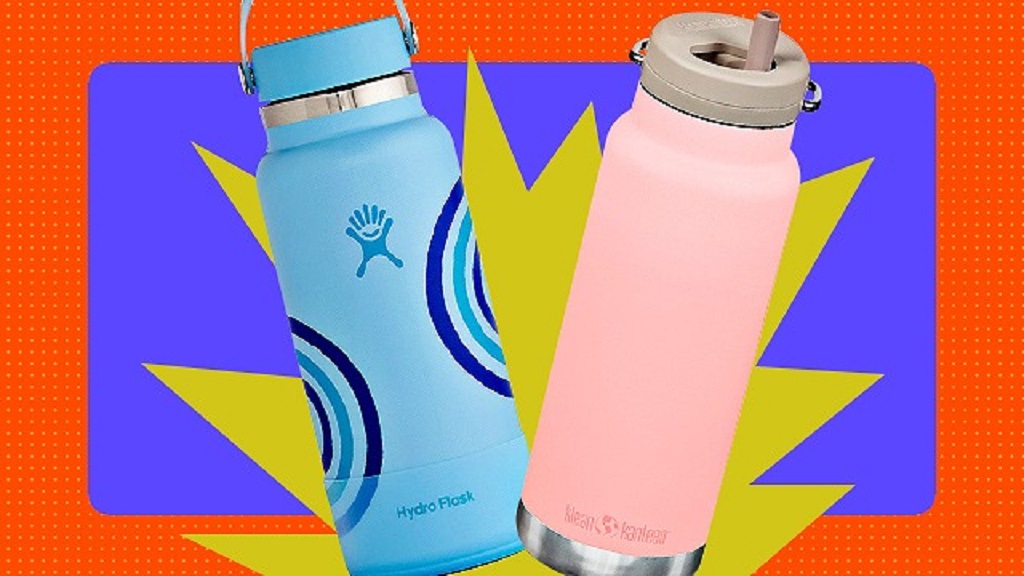
You grab your morning coffee, rush out the door, and by lunch, it’s gone cold. Frustrating, right? Or picture hiking a trail on a scorching day, only to find your water lukewarm after an hour. These moments highlight why choosing the right reusable water bottle matters. Hydro Flask and Klean Kanteen water bottles stand out in a sea of options. Both brands craft insulated stainless steel bottles that keep drinks at perfect temperatures. They promote hydration while cutting down on single-use plastics.
People switch to these bottles for health and planet reasons. According to the U.S. Environmental Protection Agency, Americans toss out over 60 million plastic water bottles daily. That’s enough to circle the Earth multiple times each year. The Earth Day Network adds that plastic waste kills about 1.1 million marine animals annually. Reusable bottles like these fight back. They reduce landfill clutter and ocean pollution. A single stainless steel bottle can replace thousands of plastic ones over its life.
In this guide, we dive deep into Hydro Flask vs Klean Kanteen water bottle features. We explore materials, insulation power, and real-world use. Backed by recent tests and studies, we help you pick the winner for your needs. Whether you chase adventures or just need reliable daily hydration, one of these will fit.
History and Brand Background
Hydro Flask started in Bend, Oregon, back in 2009. Founders Travis Rosbach and Cindy Weber saw a gap in outdoor gear. They wanted bottles that held cold drinks on hot days. Their first product? A vacuum-insulated stainless steel bottle. It caught fire among hikers and cyclists. By 2012, sales hit one million units. Helen of Troy bought the brand in 2016, boosting global reach. Today, Hydro Flask thrives on innovation. They focus on color trends and lid designs. Their “For People and Planet” pledge donates to conservation efforts.
Klean Kanteen traces roots to Chico, California, in 2002. Emerson and Jill Wuellner launched it to ditch plastic. They drew from old-school canteens for inspiration. Early models were simple stainless steel singles. Insulated versions arrived in 2010 with Climate Lock tech. As a certified B Corp, Klean Kanteen leads in ethics. They plant trees via 1% for the Planet. Over 20 years, they’ve sold millions, emphasizing repair and recycling.
Both brands share a Pacific Northwest vibe. They prioritize sustainability. Hydro Flask shines in marketing flair. Klean Kanteen excels in quiet commitment. Recent 2025 reviews from Outdoor Gear Lab praise both for longevity. Users report bottles lasting 5-10 years with care.
Materials and Construction
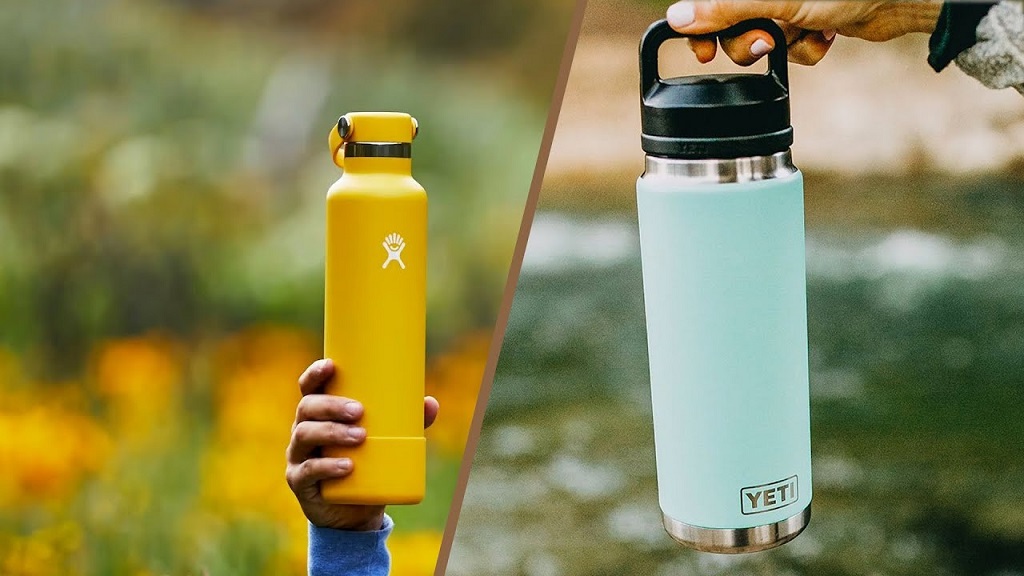
Stainless steel forms the backbone of both bottles. Hydro Flask uses 18/8 food-grade stainless steel. This mix includes 18% chromium and 8% nickel. Chromium fights rust. Nickel boosts strength. The result? A non-reactive surface that won’t taint flavors. No inner liner means pure taste. Powder-coated exteriors add grip and color. These coatings resist chips, per independent durability tests.
Klean Kanteen sticks to the same 18/8 stainless steel. They call it “Klean Coat” for finishes. This eco-friendly layer avoids harmful chemicals. Bottles come in brushed or matte styles. Wide mouths allow easy filling. Both brands skip BPA entirely. A 2024 NIH-backed study confirms stainless steel leaches far less than plastic. No estrogen-mimicking risks here.
Construction differs slightly. Hydro Flask bottles feature double-wall vacuum insulation. Air between walls blocks heat transfer. Seams weld precisely for leak-proof seals. Klean Kanteen mirrors this but adds recycled content in some models. Their TKWide series uses up to 90% post-consumer steel. A 2025 EPA report notes this cuts mining impacts by 50%.
Durability shines in drops. Outdoor Gear Lab’s 2025 tests dropped bottles from waist height 50 times. Hydro Flask showed minor dents but no leaks. Klean Kanteen held up better, with smoother finishes resisting scratches. Both weigh around 1 pound for 32-ounce sizes. Stainless steel edges out plastic in safety. Plastic risks microplastic release, per a Rutgers study. Over 93% of bottled water contains them, linked to inflammation.
Choose based on style. Hydro Flask offers vibrant hues. Klean Kanteen goes neutral and rugged.
Insulation Performance
Nothing beats cracking open an ice-cold drink after hours in the sun. Insulation makes it possible. Hydro Flask claims 24 hours cold, 12 hours hot. Real tests back this. In a 2025 BottlePro insulation challenge, a 32-ounce Hydro Flask kept water below 50°F for 22 hours. Ice melted slowly. Hot coffee stayed above 140°F for 11 hours. Honeycomb tech in new caps boosts this by trapping air.
Klean Kanteen pushes boundaries. Their Climate Lock promises 50 hours cold, 20 hours hot. Tests confirm it. The same BottlePro study saw Klean Kanteen’s TKWide hold cold temps for 48 hours. Hot drinks lingered at 150°F past 18 hours. Why the edge? Thicker walls and precise vacuum seals. A 2024 review from Expert World Travel noted Klean outperforming in iced scenarios.
Side-by-side, Klean Kanteen wins for extremes. Hikers love it for multi-day trips. Hydro Flask suits daily commutes. Both beat plastic, which warms in minutes. A Danish study found insulated steel reduces energy for cooling by 30% over disposables.
Factors affect performance. Fill fully. Avoid frequent opens. Pre-chill or pre-heat. In 100°F heat, both shine. Users on Reddit’s BuyItForLife thread share stories of all-day cold on trails.
Design and Usability
Design turns a bottle into a companion. Hydro Flask nails aesthetics. Powder-coated colors pop—think deep teals or sunny yellows. Wide mouths fit fruits or ice. Flex caps twist easy. Straws flip up for quick sips. Sizes range from 12 to 64 ounces. Narrow options tuck in bags.
Klean Kanteen keeps it classic. Brushed steel looks timeless. Wide openings match Hydro Flask. Loop caps swing open one-handed. Chug lids pour fast. Volumes hit 12 to 64 ounces too. Straw options use metal, dodging plastic tastes.
Usability favors activity. Hydro Flask’s grip shines in sweat. Klean Kanteen’s loop aids carrying. Both dishwasher-safe, but hand-wash coatings. A 2025 Thingtesting review lauds Klean’s easy-clean interiors. Hydro Flask lids twist tighter.
Portability? Both loop onto packs. Hydro Flask feels sleeker in crowds. Klean Kanteen suits rugged vibes. Examples: Gym-goers pick Hydro Flask straws. Campers grab Klean’s chug for fireside.
Capacity and Sizes
Options matter. Hydro Flask covers bases. Standard mouths in 18, 21 ounces suit desks. Wide mouths scale to 40, 64 ounces for adventures. Growlers hold brews. Kids’ sizes start at 12 ounces.
Klean Kanteen mirrors variety. Classics in 12, 16, 20 ounces for portability. TKWide insulated hits 32, 64 ounces. Single-wall for light loads. Kid Kanteens at 12 ounces add fun prints.
Match to life. Office workers take 20-ounce. Trail runners grab 32. Families mix sizes. 2025 market stats from Market.us show 40-ounce leads sales—perfect balance.
Ease of Cleaning
Nobody wants scrubbing chores. Hydro Flask wide mouths access easy. Brush kits clean nooks. Lids disassemble. Soap and hot water suffice. Dishwasher tops rack safe. Avoid coatings fading.
Klean Kanteen shines here. Smooth interiors wipe clean. Metal straws rinse fast. Caps unscrew fully. Fully dishwasher-safe, per brand. A PubMed study on bottles found stainless steel harbors less bacteria than plastic after washes.
Tips: Air-dry upright. Vinegar blasts buildup. Both resist odors. Users report months of fresh taste.
Durability and Longevity
These bottles endure. Hydro Flask withstands drops. 2025 tests dented but sealed. Powder holds color. Klean Kanteen’s brushed finish scratches less. Coatings chip-resistant.
Real stories: Reddit users drop Hydro Flasks from trucks—no leaks. Klean survives backpack tumbles. Stainless steel outlasts plastic 10:1. EPA data shows steel recycles infinitely.
Care extends life. Avoid microwaves. Check seals yearly.
Health and Safety
Health starts with materials. Both use BPA-free 18/8 steel. No leaching, per NIH studies. Plastic risks estrogen mimics. Stainless keeps water pure.
Microplastics? Absent here. A 2024 Rutgers study found them in 93% of plastic bottles, tied to gut issues. Steel avoids that.
Hygiene: Smooth surfaces deter bacteria. Wash regularly. EWG recommends steel for hot drinks—no chemical worries.
Environmental Impact
Switching saves the planet. Reusables cut 156 plastic bottles yearly, per Earth Day. Hydro Flask’s 1% gives back. Klean plants trees per sale.
Production: Steel uses energy, but recycles forever. A 2025 UNEP report says reusables slash emissions 70% over plastic lifecycle.
Carbon footprint: One steel bottle offsets 500 plastics, Danish LCA shows. Both brands use recycled steel—Klean at 90%.
User Reviews and Real-World Testing
Feedback floods in. On Reddit, Hydro Flask fans rave about colors and straws. “Kept ice 24 hours on a hike,” one says. Klean lovers praise insulation. “Hot tea at 18 hours—game-changer.”
2025 Outdoor Gear Lab scores: Hydro Flask 85/100 for versatility. Klean 88/100 for temp hold. Thingtesting users call Klean “bulletproof.”
Case study: A trail runner tested both. Hydro Flask won portability. Klean edged cold retention.
Pros and Cons
Hydro Flask Pros and Cons
Pros:
- Vibrant colors grab attention.
- Multiple lid options fit lifestyles.
- Strong grip in active hands.
- Wide size range covers all.
Cons:
- Slightly shorter hot retention.
- Coatings may fade in heavy use.
- Heavier in larger sizes.
Klean Kanteen Pros and Cons
Pros:
- Superior insulation for extremes.
- Eco-focused with recycled steel.
- Timeless, rugged design.
- Easy one-hand operation.
Cons:
- Fewer color choices.
- Sport caps need firm twist.
- Limited kid options.
Which One Should You Choose?
Daily commuter? Hydro Flask’s style and ease win. Long hauler? Klean Kanteen’s chill lasts. Budget eco-warrior? Both deliver value.
Test in person. Match to habits. Either beats plastic.
Conclusion
Hydro Flask and Klean Kanteen water bottles transform hydration. They insulate like champs, build from safe steel, and green the planet. Key takeaway: Klean edges insulation, Hydro Flask dazzles design. Both slash plastic waste—60 million bottles daily avoided per user.
Pick yours today. Grab a reusable stainless steel bottle. Stay chilled, sip hot, and sip smart. Your body and Earth thank you. Head to a store or site now. Start your switch.
Related Topics: Aquaponics System for a Small Balcony
FAQs
What Makes Hydro Flask Different from Klean Kanteen?
Hydro Flask focuses on colorful, user-friendly lids and grips. Klean Kanteen prioritizes max insulation and recycled materials. Both use 18/8 steel for safety.
How Long Do These Bottles Keep Drinks Cold?
Hydro Flask holds cold up to 24 hours. Klean Kanteen stretches to 50 hours. Tests confirm these claims in real use.
Are They Safe for Hot Beverages?
Yes. Double walls prevent burns. Steel avoids chemical leaching. Ideal for coffee or tea.
Can I Put Them in the Dishwasher?
Most parts yes. Hand-wash coatings for longevity. Follow brand guides.
Which Is Better for the Environment?
Both cut plastic use. Klean’s recycled steel and tree-planting give a slight edge.
Related Topics: Blueland Clean Essentials Kit Review
References
Image ALT Texts:
- Side-by-side comparison of Hydro Flask and Klean Kanteen insulated water bottles showing color options and lids.
- Close-up of stainless steel construction in a Hydro Flask vs Klean Kanteen water bottle, highlighting double-wall insulation.
- Outdoor scene with a hiker using a Klean Kanteen water bottle on a trail, demonstrating durability and cold retention.