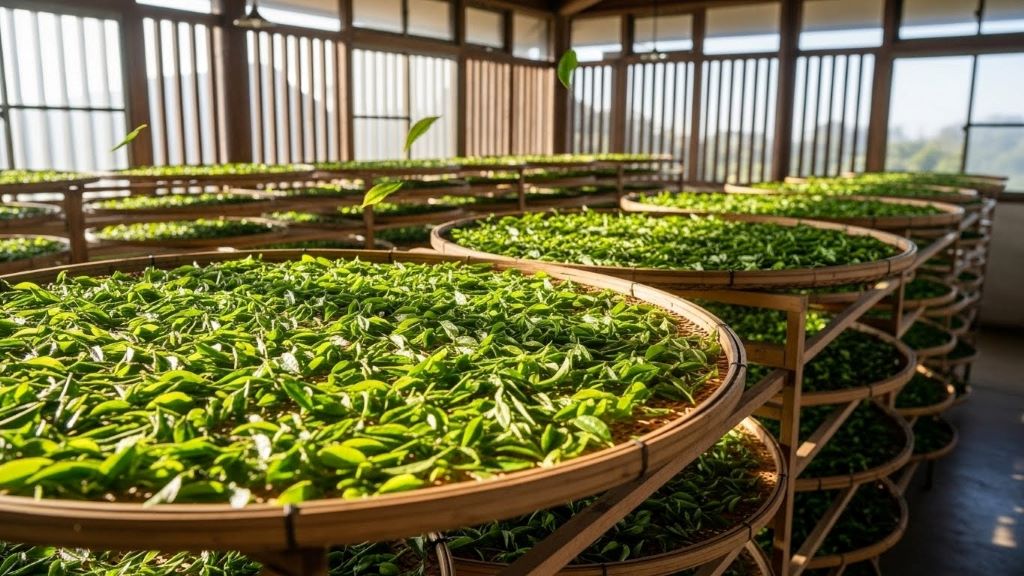
Green tea is one of the most popular drinks in the world. Millions of people enjoy it every day for its fresh taste and health benefits. However, when you walk into a store or browse online, you may notice two main options: organic green tea and regular green tea. At first glance, they look the same. So, how do you choose the right one?
This article will help you understand the key differences between organic and regular green tea. Additionally, it will guide you toward making the best choice for your health, lifestyle, and budget. By the end, you will know exactly which type of green tea suits you best.
What Is Green Tea?
Green tea comes from the Camellia sinensis plant. It is one of the least processed types of tea. Therefore, it keeps many of its natural nutrients. The leaves are harvested, dried, and then packaged without much alteration.
Green tea is rich in antioxidants called catechins. These compounds help protect your body from damage. Studies have linked green tea to better heart health, sharper focus, and even weight management. However, not all green tea is made the same way. That is where the difference between organic and regular starts to matter.
What Does Organic Mean?
The word organic has a specific meaning. It refers to how a crop is grown and processed. Organic farming avoids the use of synthetic pesticides, chemical fertilizers, and genetically modified organisms (GMOs). Instead, farmers use natural methods to grow and protect their crops.
To be labeled organic, a product must meet strict standards. In the United States, the USDA certifies organic products. In Europe, similar bodies regulate the label. Therefore, when you see certified organic on a tea box, you can trust that it has gone through a formal verification process.
Organic Green Tea vs Regular Green Tea: The Key Differences
Understanding the main differences will help you make a smarter choice. Let us look at several important factors side by side.
Pesticide Exposure
This is one of the biggest concerns for many tea drinkers. Regular green tea is often grown using synthetic pesticides. These chemicals help farmers protect their crops from insects and diseases. However, residues from these pesticides can remain on the leaves even after processing.
Organic green tea, on the other hand, is grown without synthetic pesticides. Therefore, it tends to have fewer chemical residues. If you are sensitive to chemicals or want to minimize your exposure, organic green tea is the safer option.
Nutritional Content
Some studies suggest that organic crops can have slightly higher levels of certain antioxidants. This may be because organically grown plants produce more natural defense compounds. However, the difference is often small. Both organic and regular green tea contain healthy amounts of catechins, vitamins, and minerals.
Additionally, the way tea is processed and stored can affect its nutritional value more than whether it was grown organically. Therefore, freshness and storage conditions matter a great deal regardless of the type you choose.
Taste and Aroma
Many tea lovers say that organic green tea has a cleaner, more natural taste. This is because the soil used in organic farming tends to be richer in nutrients. Healthy soil often produces leaves with more complex flavors and pleasant aromas.
However, taste is subjective. Some people cannot notice a difference at all. Regular green tea, when sourced from high-quality farms, can taste just as good. Therefore, the best way to find out is to try both and see which one you prefer.
Environmental Impact
Organic farming is generally better for the environment. It promotes healthier soil, reduces water pollution, and supports biodiversity. Farmers who use natural methods also tend to avoid monoculture farming, which can deplete the land over time.
Regular green tea farming, however, may use chemicals that can harm local ecosystems. Pesticide runoff can affect nearby water sources and wildlife. Therefore, if you care about the planet, choosing organic green tea is a way to support more sustainable agriculture.
Price Difference
Organic green tea usually costs more than regular green tea. This is because organic farming requires more labor and involves stricter certification processes. Farmers also tend to have lower yields when they avoid synthetic inputs.
Regular green tea is more affordable and widely available. For people on a tight budget, it remains a perfectly good choice. The health benefits of green tea come from the plant itself, so even regular green tea offers real value for your health.
Health Benefits of Green Tea (Both Types)
Whether you choose organic or regular, green tea offers many proven health benefits. Here are some of the most important ones:
Rich in antioxidants that reduce cell damage and lower inflammation
Supports heart health by lowering bad cholesterol levels
Improves brain function and alertness thanks to caffeine and L-theanine
May help with weight loss by boosting metabolism
Supports healthy blood sugar levels
May reduce the risk of certain cancers, according to some studies
These benefits apply to both types of green tea. Therefore, the most important thing is simply to drink green tea regularly. The choice between organic and regular is a secondary consideration for most people.
When Should You Choose Organic Green Tea?
Organic green tea makes the most sense in several situations. First, choose organic if you are particularly concerned about pesticide exposure. Pregnant women, young children, and people with certain health conditions may want to limit their chemical intake. For them, organic is a wise choice.
Second, choose organic if you care deeply about the environment. Your purchase supports farmers who use sustainable, earth-friendly methods. Additionally, organic certification ensures a level of transparency and traceability in the supply chain.
Third, if you are a dedicated tea enthusiast who values flavor and quality, organic teas from reputable brands often deliver a richer and more satisfying experience. However, this comes at a higher price, so be prepared to spend a little more.
When Is Regular Green Tea a Good Choice?
Regular green tea is a great option for everyday drinking. It is affordable, widely available, and still packed with health benefits. If you drink several cups a day, the cost savings can add up significantly over time.
Additionally, many regular green teas are grown in regions with strict food safety regulations. Japanese green teas, for example, are subject to rigorous quality controls even when they are not certified organic. Therefore, the label does not always tell the full story.
If you are new to green tea and just starting to explore its benefits, regular green tea is a low-cost, low-risk way to get started. You can always upgrade to organic later once you know what you enjoy.
Tips for Choosing the Best Green Tea
Regardless of which type you choose, here are some practical tips to help you pick the best green tea:
Look for teas with a recent harvest date. Fresh tea has more antioxidants and better flavor.
Check the origin. Teas from Japan, China, and South Korea are known for high quality.
Look for third-party testing or certifications to ensure safety and purity.
Avoid teas with artificial flavors or added fillers.
Store your tea in a cool, dark, and dry place to preserve its quality.
Buy from reputable brands that are transparent about their sourcing and farming practices.
Conclusion
Choosing between organic green tea and regular green tea does not have to be complicated. Both types offer real and meaningful health benefits. The difference lies mainly in how they are grown and what traces remain in the final product.
Organic green tea is the better choice if you want to reduce pesticide exposure, support sustainable farming, or enjoy a potentially richer flavor. However, it comes at a higher cost. Regular green tea, on the other hand, is affordable, accessible, and still delivers impressive health benefits.
Therefore, the best tea for you depends on your priorities. Consider your budget, your health goals, and your values. Try both types and pay attention to how each one makes you feel. Ultimately, the best green tea is the one you enjoy drinking every day.
Frequently Asked Questions
1. Is organic green tea better for your health than regular green tea?
Organic green tea may have slightly fewer pesticide residues, which some people prefer for health reasons. However, both types contain similar levels of antioxidants and health-promoting compounds. Therefore, either choice supports your health when consumed regularly.
2. Does organic green tea taste different from regular green tea?
Many tea drinkers report that organic green tea has a cleaner, more nuanced flavor. This can be due to the richer soil used in organic farming. However, taste preferences vary, and some people find no noticeable difference between the two.
3. Why is organic green tea more expensive?
Organic farming is more labor-intensive and involves strict certification processes. Farmers often have lower crop yields because they rely on natural growing methods. These factors drive up the production cost, which is then reflected in the retail price.
4. Can I trust a green tea that is not certified organic?
Yes, in many cases. Some teas come from regions with strict food safety regulations that limit pesticide use even without organic certification. Additionally, many brands conduct third-party testing to verify the purity of their products. Always check for quality certifications and read brand reviews before buying.
5. How many cups of green tea should I drink per day?
Most health experts suggest drinking two to three cups of green tea per day to enjoy its benefits. Drinking more than five cups daily may lead to side effects due to caffeine content. It is best to spread your cups throughout the day and avoid drinking green tea late at night.
Related Topics:
Sweeten Tea Naturally | Top Organic & Low-Calorie Alternatives
Sustainably Kind Living: 7 Affordable Zero Waste Products to Green Your Routine