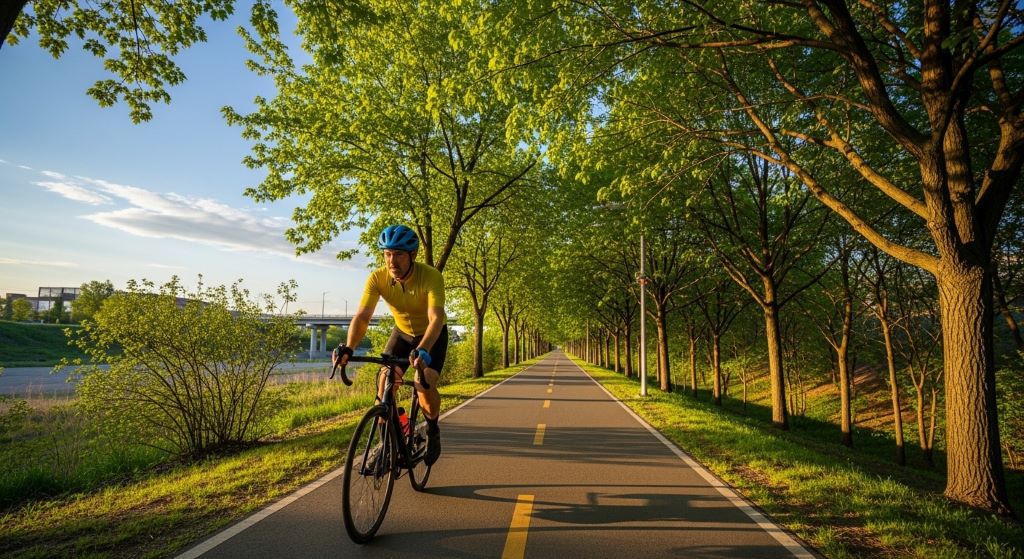
Minnesota is a state that loves the outdoors. From its thousands of lakes to its vast trail networks, the Land of 10,000 Lakes offers a natural backdrop for a healthier and more sustainable way to get around. More residents are now choosing to leave their cars at home. Instead, they are walking or cycling to work, school, and errands. This shift is making a real difference for the environment.
Green commuting is not just a trend. It is a practical choice that benefits individuals, communities, and the planet. In Minnesota, where winters can be harsh and summers are beautiful, active transportation is gaining serious momentum. This article explores how cycling and walking help reduce carbon footprints across the state.
Why Transportation Matters for the Environment
Transportation is one of the largest sources of greenhouse gas emissions in the United States. In Minnesota, personal vehicles account for a significant share of the state’s total carbon output. Every car trip burns fuel and releases carbon dioxide into the atmosphere. Over time, these emissions add up and contribute to climate change.
Fortunately, there is a simple way to reduce this impact. Choosing to walk or cycle instead of drive cuts emissions to nearly zero. A person who walks to work produces no tailpipe emissions at all. A cyclist uses only human energy. Therefore, even small changes in daily commuting habits can have a measurable effect on air quality and overall emissions.
Additionally, transportation emissions affect more than just the climate. They contribute to poor air quality in cities like Minneapolis and Saint Paul. Reducing car trips helps improve the air that everyone breathes each day.
The State of Cycling Infrastructure in Minnesota
Minnesota has invested heavily in its cycling network over the past two decades. The Twin Cities metro area is consistently ranked among the best regions in the country for bike-friendly infrastructure. Dedicated bike lanes, protected paths, and connected trail systems make it easier and safer to commute by bicycle.
The Grand Rounds Scenic Byway in Minneapolis, for example, connects parks and neighborhoods through a continuous cycling route. The Midtown Greenway offers a car-free corridor that runs across the city. These routes allow commuters to travel efficiently without sharing space with motor vehicles.
Outside the Twin Cities, cities like Duluth, Rochester, and Saint Cloud have also expanded their cycling networks. However, rural areas still face challenges. Long distances and limited infrastructure can make cycling less practical in some parts of the state. Despite this, many small towns are adding trails and bike lanes to encourage more residents to ride.
Walking as a Powerful Green Commuting Tool
Cycling often gets more attention, but walking is equally powerful. It requires no equipment, no fuel, and no maintenance. Walking even short distances instead of driving can lead to meaningful reductions in personal carbon output.
In urban neighborhoods across Minnesota, many destinations are within walking distance. Grocery stores, schools, libraries, and transit stops are often just a few blocks away. Therefore, choosing to walk for these short trips is both practical and impactful.
Saint Paul has made walkability a priority in its city planning. Pedestrian-friendly streetscapes, crosswalk improvements, and mixed-use development have made it easier to get around on foot. Minneapolis, too, has been redesigning its streets to give more space to pedestrians.
Additionally, walking offers health benefits that go hand in hand with environmental ones. Regular walking reduces the risk of heart disease, improves mental health, and helps maintain a healthy weight. When communities invest in walkable design, they invest in both environmental and public health at the same time.
How Much Carbon Can You Actually Save?
The numbers behind green commuting are encouraging. A single car emits roughly 4.6 metric tons of carbon dioxide per year. However, the average American drives far more than necessary for short, local trips. Many of these trips could easily be replaced by a walk or a bike ride.
Research shows that if just one in five Americans cycled for short trips instead of driving, the country could cut transportation emissions significantly. At the individual level, switching from a car to a bicycle for a daily 10-mile round-trip commute saves about 3,000 pounds of carbon dioxide each year.
In Minnesota, where the average commute in the Twin Cities is around 24 minutes, many residents live close enough to work to make active transportation viable. Even commuting by bike two or three days per week produces a noticeable drop in a person’s carbon footprint. Therefore, partial shifts in behavior can still deliver meaningful environmental gains.
Minnesota’s Green Commuting Programs and Initiatives
The state and its cities have introduced several programs to encourage residents to commute more sustainably. Nice Ride Minnesota, the Twin Cities bike share program, gave commuters easy access to bicycles without needing to own one. Although the program evolved over the years, it helped normalize cycling as everyday transportation.
Metro Transit supports multimodal commuting by allowing cyclists to bring their bikes onto buses and light rail. This combination of cycling and public transit extends the reach of active transportation for people who live farther from their destinations.
Additionally, many Minnesota employers participate in commuter benefit programs. These programs offer incentives like tax-free transit passes, secure bike parking, and shower facilities. Companies that support green commuting help employees make sustainable choices without sacrificing convenience.
The Safe Routes to School program is another example of state-level investment. It improves walking and cycling routes near schools, helping children and families adopt active transportation from an early age. When green habits start young, they tend to last a lifetime.
Commuting in a Minnesota Winter
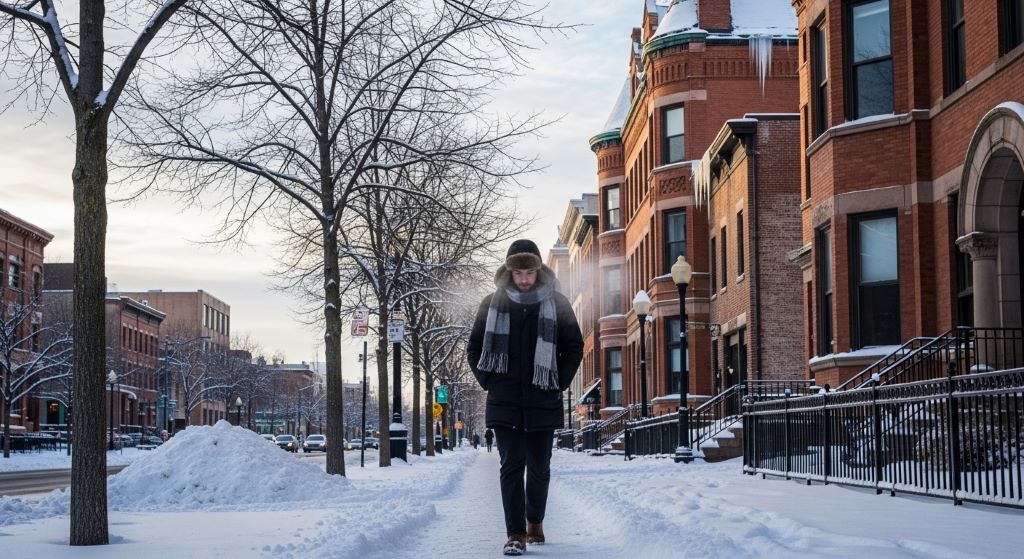
One of the biggest questions about green commuting in Minnesota is simple: what about winter? It is a fair concern. January temperatures in Minneapolis can drop well below freezing, and snowstorms are common from November through March.
However, a growing community of year-round cyclists in the Twin Cities proves that winter riding is possible. Fat-tire bikes with wide, knobby tires grip snow and ice effectively. Cities plow many bike paths alongside roads during winter months. With the right gear — warm layers, waterproof gloves, and good lighting — cycling in winter is manageable.
For those who prefer not to ride in extreme cold, walking remains an option. Many urban areas in Minnesota are designed with skyway systems that allow pedestrians to move between buildings without stepping outside. Minneapolis has one of the largest enclosed skyway networks in the world. This makes walking a year-round option for downtown commuters.
Therefore, while winter does present challenges, Minnesota’s infrastructure and culture have adapted to support active transportation throughout the year.
Community and Cultural Shifts Driving Change
Green commuting is as much a cultural shift as it is a practical one. In Minnesota, environmental awareness runs deep. Many residents feel a strong connection to the natural world and want to protect it. This mindset creates fertile ground for sustainable transportation habits to grow.
Community events like Bike to Work Day draw thousands of participants every year in the Twin Cities. These events celebrate cycling, connect commuters with resources, and show that active transportation is a mainstream choice, not an outlier one.
Neighborhood organizations also play a role. Groups in areas like South Minneapolis, Northeast Minneapolis, and Hamline-Midway in Saint Paul have advocated for safer streets, better bike lanes, and improved pedestrian infrastructure. Their work has led to real changes in how streets are designed and used.
Additionally, the rise of remote and hybrid work has shifted commuting patterns. Fewer people commute five days a week, making it easier to walk or cycle on the days they do go in. This flexibility has opened the door for more residents to try active transportation without feeling locked into it every single day.
Tips for Starting Your Green Commute in Minnesota
Starting a walking or cycling commute does not have to be overwhelming. A few simple steps can help make the transition smooth and enjoyable.
- Plan your route in advance using apps like Google Maps or the regional trail maps provided by the Three Rivers Park District.
- Start with one or two days per week before committing to a full switch.
- Invest in quality gear suited to Minnesota’s weather, including reflective clothing for darker months.
- Connect with local cycling groups or walking clubs for support, tips, and company.
- Check your employer’s commuter benefits to see if any financial incentives are available.
The key is to start small and build from there. Even one car-free commute per week contributes to a healthier environment.
Conclusion
Green commuting in Minnesota is a practical, proven way to reduce carbon footprints. Cycling and walking produce no direct emissions, improve air quality, and support healthier communities. The state’s growing trail networks, city investment in pedestrian infrastructure, and supportive commuter programs make active transportation more accessible than ever.
Winter can feel like a barrier, but Minnesotans have shown that it does not have to be. With the right preparation and mindset, year-round active commuting is achievable. Additionally, even part-time cycling or walking delivers real environmental and health benefits.
The choices we make each day on the way to work or the store add up over time. Therefore, choosing to walk or ride a bike, even occasionally, is one of the simplest and most effective actions any Minnesota resident can take to protect the environment they love.
Frequently Asked Questions
Is cycling safe during Minnesota winters?
Yes, with proper equipment and preparation. Fat-tire bikes, warm layered clothing, and city-maintained winter paths make year-round cycling possible for many commuters in the Twin Cities and beyond.
How much carbon dioxide can I save by cycling instead of driving?
Replacing a 10-mile daily car commute with a bicycle can save roughly 3,000 pounds of carbon dioxide per year. Even part-time cycling leads to measurable reductions.
Are there financial incentives for green commuting in Minnesota?
Yes. Many employers offer commuter benefit programs that include tax-free transit passes, secure bike parking, and shower facilities. Some state and city programs also provide rebates for bike purchases.
What are the best cycling routes for commuters in Minneapolis?
Popular options include the Midtown Greenway, the Grand Rounds Scenic Byway, and the Cedar Lake Trail. Metro Transit also allows bikes on buses and light rail for longer journeys.
Can walking really make a difference for the environment?
Absolutely. Walking produces zero emissions and replacing even short car trips on foot adds up over time. It is one of the most accessible and impactful green commuting choices available.
Related Topics:
Eco-Friendly Display Stands: Sustainable Product Displays for Conscious Brands
Eco-Friendly Plant Food: The Complete Guide to Natural Plant Nutrition