Clean energy is one of the fastest-growing industries in the world today. More businesses, communities, and individuals are looking for affordable and sustainable power solutions. Portable wind turbines offer a unique opportunity to meet that demand. They are flexible, scalable, and relatively low-cost compared to traditional wind energy infrastructure. If you have been thinking about starting a wind energy business, this guide will walk you through everything you need to know.
Why Portable Wind Turbines Are a Smart Business Opportunity
Traditional wind farms require massive capital investment, land permits, and years of planning. Portable wind turbines, however, change that equation completely. These compact devices can be deployed quickly, moved to different locations, and scaled to fit different energy needs.
The market for portable and small-scale wind energy is growing steadily. Remote construction sites, outdoor events, military operations, disaster relief organizations, and off-grid communities all need reliable power. Additionally, farmers, ranchers, and rural property owners are actively seeking alternatives to expensive grid electricity.
Therefore, a business built around portable wind turbines can serve multiple markets at once. That flexibility gives you more revenue opportunities and reduces your dependence on any single customer segment.
Understanding How Portable Wind Turbines Work
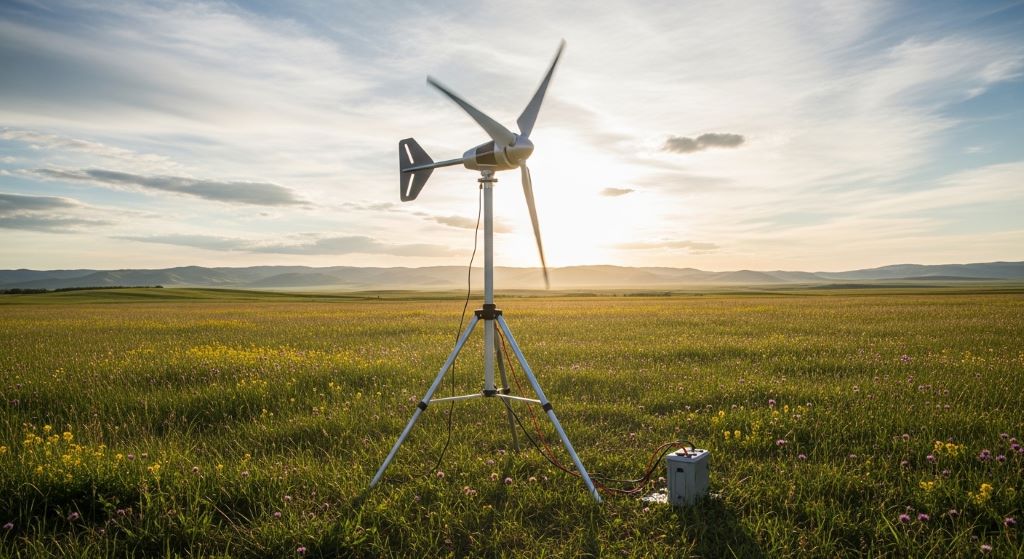
Before launching a business, it helps to understand the technology you are selling or deploying. Portable wind turbines capture kinetic energy from moving air and convert it into electricity. They consist of blades, a rotor, a generator, and a charge controller. Many modern units also include battery storage systems for consistent power delivery.
These turbines come in a wide range of sizes and output capacities. Small units produce as little as 400 watts. Larger portable models can generate 5 to 10 kilowatts or more. The right size depends on the application and the average wind speed at the deployment location.
Wind speed is one of the most critical factors in turbine performance. Most portable turbines begin generating power at wind speeds of around 8 to 10 miles per hour. They perform optimally between 25 and 35 miles per hour. Therefore, knowing your local and target wind data is essential before making equipment decisions.
Choosing Your Business Model
There are several ways to structure a portable wind turbine business. Each model has its own advantages. Choosing the right one depends on your budget, skills, and target market.
The three most common models are:
- Sales and distribution: Purchase turbines from manufacturers and resell them to end users such as farms, construction companies, or off-grid homeowners.
- Rental and leasing: Invest in a fleet of turbines and rent them to events, remote job sites, or disaster relief operations on a short-term basis.
- Energy-as-a-service: Deploy turbines on client properties and charge customers for the electricity generated rather than selling the equipment itself.
Each model requires different startup costs and carries different risks. The sales model is simpler to start but depends on consistent demand. The rental model requires more upfront investment but generates recurring revenue. The energy-as-a-service model is the most capital-intensive but creates long-term, stable income streams.
Many successful businesses start with one model and expand into others as they grow. Therefore, choose the model that matches your current resources and scale up from there.
Conducting Market Research Before You Launch
Market research is the foundation of any successful business. Before investing in equipment or registering a company, you need to understand your target market deeply.
Start by identifying who needs portable wind energy in your area. Talk to farmers, event organizers, construction companies, and local government agencies. Find out what power challenges they face and how much they currently spend on fuel or generator rentals.
Additionally, research your competition. Are there other small-scale wind energy providers in your region? What do they offer, and what gaps exist in the market? Finding an underserved niche gives you a stronger starting position.
Finally, study the regulatory environment. Energy generation and distribution are subject to local, state, and national regulations. Some areas have strong incentives for renewable energy businesses, including grants, tax credits, and low-interest loans. Others have complex permitting requirements. Understanding this landscape early prevents costly surprises later.
Creating a Solid Business Plan
A well-written business plan is essential. It guides your decisions and helps you secure funding from investors or lenders. Your plan should cover several key areas.
First, describe your business clearly. Explain what you do, who your customers are, and how you make money. Second, include a detailed financial projection. Estimate your startup costs, monthly expenses, and expected revenue for the first three years. Third, outline your marketing and sales strategy. Explain how you will find and keep customers.
Your business plan should also include a risk assessment. Identify potential challenges such as seasonal wind variation, equipment maintenance costs, or slow market adoption. Then describe how you plan to manage each risk.
A clear, realistic business plan shows investors and lenders that you have thought through the details. Additionally, it gives you a roadmap to follow as your business grows and changes.
Sourcing the Right Equipment
The quality of your turbines directly affects your reputation and revenue. Therefore, choosing the right equipment supplier is one of the most important decisions you will make.
Look for manufacturers with a proven track record in the portable or small-scale wind energy market. Request product specifications, performance data, and warranty information. Ideally, visit a supplier’s facility or speak with other businesses that use their equipment.
Key factors to evaluate when selecting turbines include:
- Power output range and efficiency rating
- Durability in harsh weather conditions
- Ease of assembly and transport
- Availability of replacement parts
- Manufacturer support and warranty terms
- Weight and portability for field deployment
Additionally, consider whether you want to offer a single turbine type or a range of models. A broader product line lets you serve more customer segments. However, it also increases inventory complexity and training requirements. Start simple and expand your offerings as demand grows.
Setting Up Your Operations
Once you have your business plan and equipment in place, it is time to set up your operations. This includes registering your business legally, setting up accounting systems, and establishing processes for installation, maintenance, and customer support.
Register your business with the appropriate government authority in your country or region. Choose a legal structure, such as a sole proprietorship, partnership, or limited liability company, based on your needs and risk tolerance. Consult a lawyer or business advisor if you are unsure which structure is right for you.
Additionally, set up a basic accounting system from the start. Track all income and expenses carefully. This makes tax filing easier and helps you understand which parts of your business are most profitable.
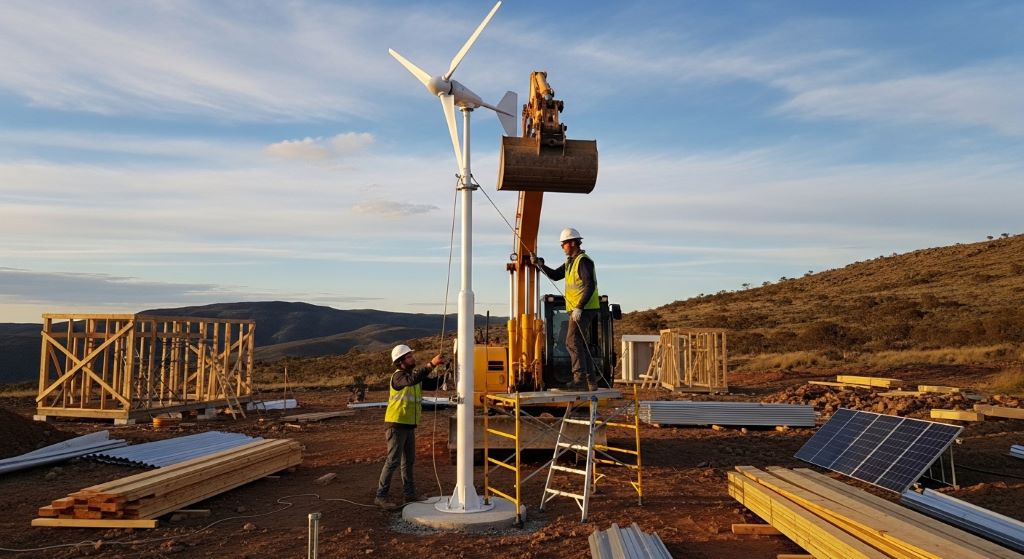
Create clear operational procedures for turbine deployment and maintenance. Document every step of the installation process. Train any staff or contractors on proper procedures. Consistent, professional service builds customer trust and reduces costly errors in the field.
Marketing Your Wind Energy Business
Even the best product fails without effective marketing. Your marketing strategy should focus on reaching the specific customer groups most likely to need portable wind energy.
Start with a professional website. Include clear information about your services, pricing, and the benefits of portable wind energy. Add case studies or testimonials from early customers. A well-designed website builds credibility and helps potential clients find you through search engines.
Additionally, attend trade shows, agricultural fairs, and industry events where your target customers gather. Face-to-face conversations often lead to stronger business relationships than digital marketing alone. Bring a working turbine demonstration if possible. Seeing the technology in action is far more persuasive than a brochure.
Leverage social media to share educational content about wind energy. Post videos, infographics, and customer stories. This positions you as a trusted expert in your niche. Over time, consistent content builds an audience that turns into leads and sales.
Consider partnering with complementary businesses as well. Solar energy installers, off-grid housing developers, and rural electrification organizations often serve the same customers you do. Strategic partnerships can generate referrals and open doors to larger contracts.
Managing Finances and Scaling Responsibly
Cash flow management is critical in the early stages of any business. Wind energy equipment can be expensive. Additionally, revenue from rentals or energy contracts often comes in slowly at first.
Keep your overhead low in the beginning. Avoid large office leases or unnecessary staff hires until your revenue is stable. Reinvest early profits into additional equipment rather than personal expenses. This approach builds your fleet and revenue capacity faster.
As your business grows, explore financing options to accelerate expansion. Equipment financing, small business loans, and government grants for renewable energy are all worth investigating. Many countries actively support small-scale renewable energy businesses with favorable funding programs.
Additionally, track your key performance indicators regularly. Monitor metrics such as equipment utilization rate, customer acquisition cost, revenue per turbine, and maintenance cost per unit. These numbers tell you what is working and where adjustments are needed.
Scaling a portable wind turbine business works best when growth is steady and sustainable. Adding too many clients or too much equipment before your operations can handle it leads to poor service and damaged reputation. Therefore, grow at a pace that allows you to maintain quality at every stage.
Staying Current with Industry Trends and Technology
The wind energy sector is evolving rapidly. New turbine designs are becoming more efficient and affordable. Battery storage technology is improving. Government policies around renewable energy are shifting constantly.
Therefore, staying informed is not optional. It is a competitive necessity. Subscribe to renewable energy publications and join industry associations. Follow technology developments from major turbine manufacturers. Attend webinars and conferences focused on small-scale and distributed energy systems.
Additionally, listen closely to your customers. Their feedback reveals emerging needs and opportunities. A client who mentions a new use case for portable power could be pointing you toward your next revenue stream. The businesses that grow the fastest are the ones that stay curious and adapt quickly.
Conclusion
Starting a wind energy production business using portable wind turbines is a realistic and rewarding opportunity. The demand for clean, flexible power is growing across many industries and communities. Portable turbines offer a practical solution that traditional wind farms cannot.
To succeed, start with a clear understanding of the technology and your target market. Choose a business model that matches your resources. Write a solid business plan and source high-quality equipment. Set up your operations with care, market your services effectively, and manage your finances with discipline.
Additionally, stay current with industry trends and remain open to feedback. The renewable energy space rewards those who are informed, adaptable, and committed to delivering real value.
The path is clear. The wind is blowing. All that is left is to take the first step.
Frequently Asked Questions
How much does it cost to start a portable wind turbine business?
Startup costs vary depending on your business model and the number of turbines you purchase. A small rental fleet of three to five turbines can cost between $15,000 and $60,000. A sales and distribution business may require less upfront inventory investment. Additionally, you will need to budget for legal registration, insurance, marketing, and operational costs.
How much money can a portable wind turbine business make?
Revenue potential depends on your business model and market size. Turbine sales generate one-time income per unit sold. Rental businesses can earn between $500 and $5,000 per turbine per month depending on the rental period and client type. Energy-as-a-service models generate steady monthly income over multi-year contracts. With a well-managed fleet and consistent clients, six-figure annual revenue is achievable within two to three years.
Do I need special permits to operate a wind energy business?
Permit requirements vary by location. In most regions, you will need a standard business license. If you are generating and selling electricity, additional energy generation permits may apply. Some areas also have zoning rules for turbine installation. Therefore, research local regulations carefully before launching and consult a legal advisor if needed.
What wind speed is needed to run a portable wind turbine effectively?
Most portable turbines start generating power at wind speeds of 8 to 10 miles per hour. They produce peak output between 25 and 35 miles per hour. Before deploying turbines in a specific location, check local wind data using resources such as government wind maps or on-site anemometer readings to confirm the location is viable.
Can portable wind turbines work alongside solar panels?
Yes. Hybrid systems combining portable wind turbines and solar panels are increasingly popular. Wind and solar energy complement each other well because wind is often strongest at night and during cloudy or stormy weather when solar output is low. A hybrid system provides more consistent power and reduces dependence on battery storage alone.
Related Topics:
Green Marketing vs. Greenwashing: Building Trust in a Sustainable World
The Green Goods Revolution: What Eco-Conscious Businesses are Offering