Green tea has captivated tea lovers for centuries with its delicate flavor and impressive health properties. However, not all green tea is created equal. The method used to dry the leaves after harvesting plays a crucial role in determining the final product’s quality, taste, and nutritional value. Among various drying methods, the slow drying technique stands out as a superior approach for organic green tea production.
This traditional method takes more time and care than modern alternatives. Nevertheless, it delivers exceptional results that tea enthusiasts and health-conscious consumers genuinely appreciate. Understanding these benefits can help you make informed choices about the tea you drink daily.
What Is the Slow Drying Technique?
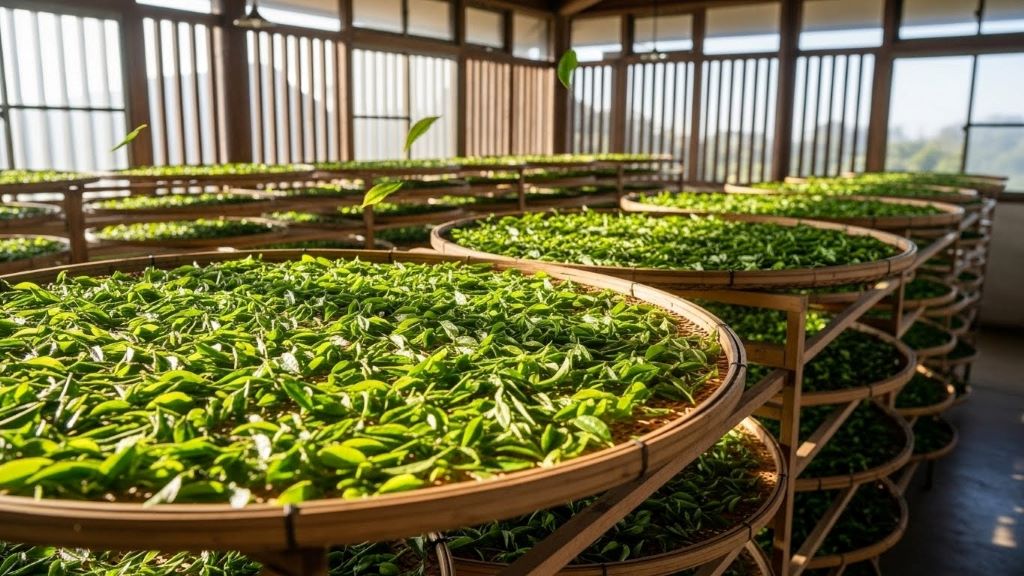
The slow drying technique involves gradually removing moisture from freshly harvested tea leaves over an extended period. Unlike rapid industrial methods that use high heat, this process relies on controlled low temperatures and proper air circulation. The leaves are carefully monitored throughout the drying process to ensure optimal results.
Traditional tea producers often use specialized drying rooms or shaded areas. The temperature typically remains between 25 to 35 degrees Celsius. This gentle approach can take anywhere from 24 to 72 hours, depending on environmental conditions and desired outcomes. Therefore, it requires patience and expertise from skilled tea makers.
Preservation of Natural Antioxidants
One of the most significant advantages of slow drying is the preservation of valuable antioxidants. Green tea contains powerful compounds called catechins, particularly epigallocatechin gallate (EGCG). These antioxidants offer numerous health benefits, including protection against cellular damage and inflammation.
High-heat drying methods can degrade these delicate compounds significantly. However, slow drying maintains lower temperatures that protect the tea’s antioxidant content. Research published by the National Institutes of Health indicates that processing methods significantly impact the antioxidant levels in tea. Consequently, slow-dried organic green tea retains more of its natural health-promoting properties.
Additionally, the gentle process preserves other beneficial compounds like L-theanine. This amino acid promotes relaxation without causing drowsiness. The combination of preserved antioxidants and amino acids makes slow-dried green tea a superior choice for health-conscious individuals.
Enhanced Flavor Profile and Aroma
Slow drying techniques create a more refined and complex flavor profile. The gradual moisture removal allows the tea leaves to develop nuanced tastes that quick-drying methods simply cannot achieve. Tea connoisseurs often describe slow-dried green tea as having sweeter, more delicate notes with less bitterness.
The aromatic compounds in tea leaves are volatile and sensitive to heat. Rapid drying at high temperatures can cause these compounds to evaporate or break down. In contrast, the slow method preserves these delicate aromatics, resulting in a more fragrant cup of tea.
Moreover, the flavor remains consistent across multiple infusions. Slow-dried leaves can typically be steeped several times while maintaining their pleasant taste. This quality makes them more economical and enjoyable for daily tea drinking.
Better Leaf Structure and Appearance
The physical integrity of tea leaves matters both aesthetically and functionally. Slow drying helps maintain the natural structure and color of green tea leaves. The leaves retain their vibrant green hue and whole shape rather than becoming brittle or discolored.
This preservation is particularly important for whole-leaf teas. When leaves remain intact, they unfurl beautifully during steeping. The visual experience enhances the overall tea ceremony and indicates superior quality. Furthermore, intact leaves are easier to handle and store without breaking into smaller pieces.
The appearance also serves as a quality indicator. Consumers can visually assess the tea’s freshness and processing quality. Well-preserved leaves suggest careful handling and proper drying techniques throughout production.
Reduced Risk of Contamination
Organic green tea production emphasizes natural growing methods without synthetic pesticides or fertilizers. Similarly, the slow drying technique aligns with this philosophy by minimizing processing interventions. The controlled environment reduces the risk of contamination from external sources.
Industrial drying methods sometimes involve direct contact with metal surfaces or exposure to various chemicals. However, traditional slow drying often uses bamboo trays or natural materials. These materials do not leach unwanted substances into the tea leaves. Therefore, the final product remains pure and aligned with organic standards.
Additionally, the careful monitoring during slow drying allows producers to identify and remove any damaged or inferior leaves. This quality control step ensures that only the best leaves make it into the final product.

Environmental Sustainability
The slow drying technique typically requires less energy than industrial alternatives. Traditional methods often rely on natural air circulation and ambient temperatures rather than electricity-intensive machinery. This approach reduces the carbon footprint associated with tea production.
Many small-scale organic tea farms use solar-powered or naturally ventilated drying facilities. According to environmental research on sustainable agriculture, traditional processing methods contribute to more sustainable food systems. These eco-friendly practices appeal to environmentally conscious consumers who want their purchases to reflect their values.
Furthermore, slow drying facilities are often simpler and less expensive to maintain. This accessibility enables small farmers to produce high-quality tea without significant capital investment. Supporting these producers helps maintain agricultural biodiversity and traditional knowledge.
Longer Shelf Life and Stability
Properly slow-dried green tea maintains its quality longer than rapidly processed alternatives. The gradual drying creates a more stable product with balanced moisture content. This stability prevents the growth of mold or bacteria during storage.
The preserved cellular structure of slow-dried leaves also contributes to longevity. The tea retains its flavor, aroma, and beneficial compounds for extended periods when stored correctly. Consumers can therefore purchase larger quantities without worrying about rapid degradation.
This extended shelf life reduces waste and improves the overall value proposition. Tea enthusiasts can enjoy their favorite varieties throughout the year while maintaining optimal quality.
Supporting Traditional Tea Culture
Choosing slow-dried organic green tea supports artisanal tea makers who preserve centuries-old techniques. These skilled craftspeople possess invaluable knowledge about tea cultivation, processing, and preparation. Their expertise cannot be replicated by automated industrial processes.
Many traditional tea-producing regions depend on these methods for their cultural identity and economic stability. By purchasing slow-dried tea, consumers directly support these communities and help preserve cultural heritage. This connection adds meaningful value beyond the physical product.
Moreover, traditional producers often maintain closer relationships with their land and crops. This intimacy results in greater attention to detail and quality throughout the production process.
Conclusion
The slow drying technique for organic green tea offers numerous compelling benefits that justify its continued use despite requiring more time and effort. From preserving vital antioxidants and creating superior flavor profiles to supporting environmental sustainability and traditional cultures, this method delivers value on multiple levels.
The enhanced leaf structure, reduced contamination risk, and longer shelf life further demonstrate why slow drying remains the preferred choice for premium organic green tea. While these teas may cost more than mass-produced alternatives, the investment pays dividends through improved taste, health benefits, and ethical satisfaction.
As consumers become increasingly aware of how their choices impact health and the environment, slow-dried organic green tea represents an excellent option. This traditional method honors both the tea plant and the people who dedicate their lives to producing exceptional tea. Next time you select green tea, consider choosing slow-dried organic varieties to experience these remarkable benefits firsthand.
Frequently Asked Questions
How can I tell if my green tea was slow-dried?
Look for whole, intact leaves with vibrant green color and a delicate, sweet aroma. Slow-dried tea typically comes from specialty producers who mention their processing methods on packaging. The leaves should unfurl beautifully when steeped and maintain flavor across multiple infusions.
Is slow-dried green tea more expensive than regular green tea?
Yes, slow-dried organic green tea generally costs more due to the labor-intensive process and longer production time. However, many consumers find the superior quality, enhanced flavor, and health benefits justify the higher price point.
Can slow-dried green tea help with weight loss?
Green tea contains compounds that may support metabolism and fat oxidation. Slow-dried varieties retain higher levels of these beneficial catechins. Nevertheless, tea should be part of a balanced diet and healthy lifestyle rather than a standalone weight loss solution.
How should I store slow-dried organic green tea?
Store your tea in an airtight container away from light, heat, and moisture. Keep it in a cool, dark place like a pantry or cupboard. Avoid refrigeration, as temperature fluctuations can introduce moisture and affect quality.
What is the best water temperature for brewing slow-dried green tea?
Use water between 70 to 80 degrees Celsius (160 to 175 degrees Fahrenheit) for optimal results. Water that is too hot can make the tea bitter and destroy delicate compounds. Steep for 2 to 3 minutes, adjusting based on personal taste preferences.
Related Topics:
The Good Dog Company Basic Canvas Hemp Dog Collar: A Review
Scoria Kids Space Cork Yoga Mat: A Stellar Choice for Little Yogis