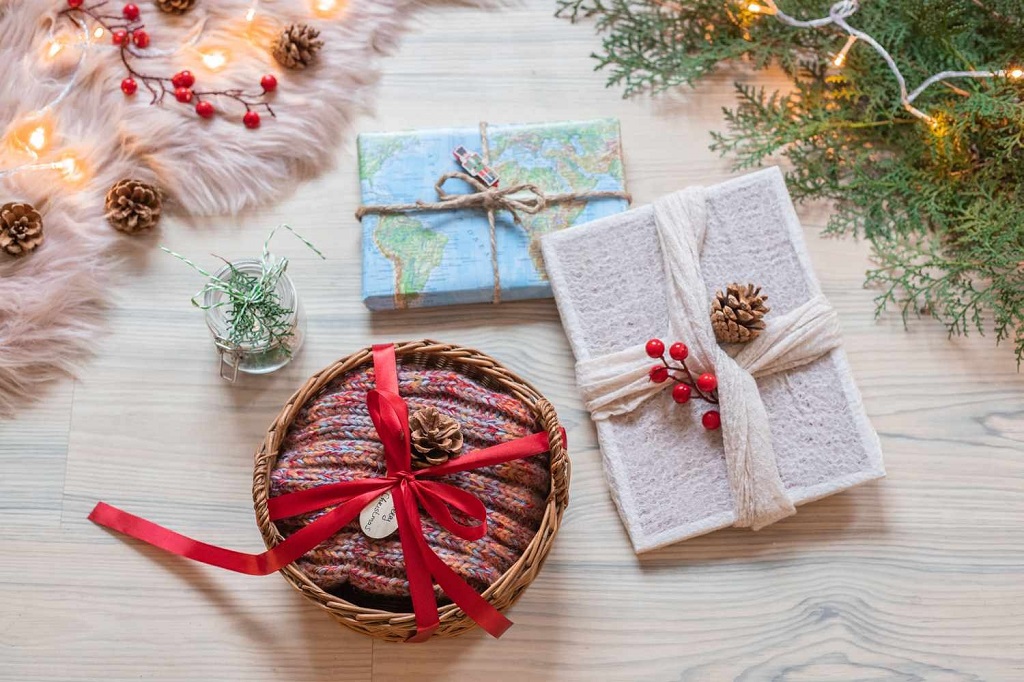
In a world increasingly conscious of its environmental footprint, the jewelry industry, traditionally associated with luxury and opulence, is undergoing a quiet revolution. While the brilliance of gemstones and the artistry of metalwork remain paramount, the packaging that cradles these treasures is now being scrutinized for its sustainability. Gone are the days of excessive plastic and non-biodegradable materials. Today’s discerning consumers demand not only beauty but also ethical responsibility, prompting a surge in innovative and eco-friendly jewelry packaging solutions. This article delves into the latest trends, materials, and strategies for creating stylish and sustainable packaging that resonates with both environmental values and brand elegance.
The Urgency of Sustainable Packaging in the Jewelry Sector

The jewelry industry, like many others, contributes to environmental challenges through its reliance on traditional packaging. Plastic, often used for protective layers and presentation boxes, lingers for centuries, polluting ecosystems and harming wildlife. Similarly, non-recycled paper and cardboard contribute to deforestation. The need for a shift towards sustainable practices is not just a trend but a necessity. Consumers are increasingly aware of the impact of their purchases, and brands that demonstrate a commitment to environmental stewardship are gaining a competitive edge. Embracing eco-friendly packaging is not only a responsible choice but also a powerful marketing tool, reflecting a brand’s values and attracting environmentally conscious customers.
Exploring a Spectrum of Sustainable Materials
The foundation of eco-friendly jewelry packaging lies in the selection of sustainable materials. Here’s a breakdown of some of the most promising options:
- Recycled and Recyclable Paper and Cardboard: This remains a cornerstone of sustainable packaging. Opt for paper and cardboard made from post-consumer recycled content, certified by organizations like the Forest Stewardship Council (FSC). Ensure that any inks used are soy-based or water-based, minimizing chemical pollution. Consider using kraft paper for a rustic, natural aesthetic, or opt for recycled cardstock with a smooth, elegant finish for a more refined look.
- Biodegradable and Compostable Materials: Innovations in biodegradable materials are transforming the packaging landscape. Options like cornstarch-based bioplastics, mushroom packaging (grown from mycelium), and seaweed-based materials offer viable alternatives to traditional plastics. These materials break down naturally, reducing waste and minimizing environmental impact. Consider using compostable pouches or inserts made from these materials for smaller jewelry items.
- Organic Cotton and Linen: For soft pouches and protective wraps, organic cotton and linen are excellent choices. Grown without harmful pesticides and chemicals, these materials are gentle on the environment and provide a luxurious feel. Opt for natural dyes or low-impact dyes to further minimize environmental impact.
- Bamboo: A rapidly renewable resource, bamboo offers a sustainable alternative to wood. Bamboo packaging is strong, durable, and naturally biodegradable. It can be used for boxes, inserts, and even jewelry displays. Consider using bamboo veneer for a sleek, modern look, or opt for woven bamboo for a more textured, artisanal feel.
- Recycled Metals: For jewelry boxes and components, recycled metals like aluminum and steel offer a sustainable option. These materials can be recycled repeatedly without losing their quality, reducing the need for virgin metal extraction. Consider using recycled metal clasps, hinges, and decorative elements.
Designing for Minimal Impact: Size, Shape, and Functionality
Beyond material selection, the design of jewelry packaging plays a crucial role in minimizing environmental impact. Consider the following design principles:
- Minimize Size and Weight: Opt for compact packaging that uses minimal materials. Streamlined designs not only reduce waste but also lower shipping costs and carbon emissions. Consider using custom-fit inserts that securely hold jewelry items, eliminating the need for excess void fill.
- Multifunctional Packaging: Design packaging that can be reused or repurposed by the customer. Jewelry boxes can double as storage containers, and pouches can be used for travel or organization. This approach extends the lifespan of the packaging and reduces waste.
- Modular and Customizable Designs: Modular packaging systems allow for flexibility and customization, reducing the need for multiple packaging sizes. Consider using interchangeable inserts and sleeves that can accommodate different jewelry items.
- Eliminate Unnecessary Components: Streamline your packaging by eliminating unnecessary components like plastic inserts, ribbons, and decorative elements. Focus on functionality and simplicity.
- Consider Biodegradable Inks and Adhesives: When printing on packaging, opt for biodegradable inks and water-based adhesives. This minimizes the release of harmful chemicals into the environment.
Branding and Communication: Telling Your Sustainability Story
Eco-friendly packaging is not just about materials and design; it’s also about communication. Use your packaging as a platform to tell your sustainability story and connect with environmentally conscious customers.
- Clearly Label Sustainable Materials: Use clear and concise labeling to highlight the sustainable materials used in your packaging. Certifications like FSC, Global Recycled Standard, and Compostable Certification can add credibility to your claims.
- Share Your Sustainability Initiatives: Include information about your company’s sustainability initiatives and values. This can be done through printed inserts, website links, or QR codes.
- Embrace Minimalist Design: Minimalist designs often convey a sense of sophistication and sustainability. Avoid excessive printing and embellishments.
- Use Eco-Friendly Inks and Printing Techniques: Opt for soy-based inks, water-based inks, and digital printing techniques, which minimize waste and chemical pollution.
- Partner with Sustainable Suppliers: Choose suppliers who share your commitment to sustainability. This ensures that your entire supply chain aligns with your environmental values.
Discover More: Embracing Nature Responsibly: A Comprehensive Guide to Choosing Eco-Friendly Tents
People Also Ask (FAQs)
-
Q: What are the most sustainable materials for jewelry boxes?
- A: Recycled cardboard, bamboo, and reclaimed wood are excellent sustainable options for jewelry boxes.
-
Q: How can I reduce plastic in my jewelry packaging?
- A: Use biodegradable or compostable pouches, paper-based inserts, and avoid plastic void fill.
-
Q: Are recycled materials as durable as virgin materials?
- A: Yes, recycled materials like cardboard and metal can be just as durable as virgin materials, provided they are sourced from reputable suppliers.
-
Q: How can I make my jewelry packaging more luxurious while remaining sustainable?
- A: Use high-quality recycled paper, organic cotton pouches, and minimalist designs with elegant finishes.
-
Q: What are the benefits of using biodegradable packaging?
- A: Biodegradable packaging breaks down naturally, reducing waste and minimizing environmental impact.
-
Q: How can I communicate my sustainability efforts to customers?
- A: Clearly label sustainable materials, share your company’s initiatives, and use minimalist designs with eco-friendly inks.
-
Q: What are the most effective ways to reduce packaging waste?
- A: Minimize packaging size, use multifunctional designs, and eliminate unnecessary components.
-
Q: Where can I find suppliers of eco-friendly jewelry packaging?
- A: Search for suppliers specializing in sustainable packaging, look for certifications like FSC, and attend industry trade shows.
-
Q: How can I make my packaging reusable?
- A: Design boxes that can be used for storage, and pouches that can be used for travel or organization.
-
Q: How can I make my packaging compostable?
- A: Use materials like cornstarch-based bioplastics, mushroom packaging, and seaweed-based materials.
Read More Also: A Bridge to Beauty: A Wooden Bridge into Your Flower Garden
Conclusion: A Sparkle of Responsibility
Eco-friendly jewelry packaging is not just a passing trend; it’s a fundamental shift towards a more sustainable and responsible industry. Indeed, by embracing innovative materials, furthermore, thoughtful designs, and importantly, transparent communication, jewelry brands can create packaging that not only protects and presents their precious creations but also reflects their commitment to environmental stewardship. Moreover, as consumers become increasingly conscious of their environmental impact, brands that prioritize sustainability will, consequently, not only gain a competitive advantage but ultimately contribute to a brighter, more sustainable future for the planet. The journey to sustainable packaging is a continuous process of learning, innovation, and collaboration.