Indoor air quality affects health more than most homeowners realize. Traditional flooring materials release harmful chemicals into living spaces for years after installation. However, eco-friendly flooring options provide beautiful, durable alternatives that protect your family’s health while reducing environmental impact.
This comprehensive guide explores flooring choices that minimize indoor air pollution. Understanding these options helps you make informed decisions for healthier home environments.
Understanding Indoor Air Pollution from Flooring
Many conventional flooring materials contain volatile organic compounds that evaporate into indoor air. These VOCs include formaldehyde, benzene, and toluene. Breathing these chemicals daily contributes to headaches, respiratory issues, and long-term health problems.
Carpets often harbor dust mites, mold spores, and allergens despite regular cleaning. Synthetic carpet backing and padding release chemical odors for months. Additionally, carpet adhesives contain strong solvents that off-gas harmful fumes.
Laminate and vinyl flooring frequently use formaldehyde-based adhesives in their construction. These products continuously release chemicals as temperatures fluctuate. Therefore, selecting low-emission flooring materials significantly improves indoor air quality.
Testing reveals that indoor air pollution often exceeds outdoor levels by two to five times. Flooring represents one of the largest surface areas in homes, making material selection crucial for healthy environments.
Solid Hardwood Flooring for Clean Indoor Air
Solid hardwood floors contain no synthetic materials or chemical adhesives in their composition. Natural wood breathes and releases no harmful VOCs into living spaces. Oak, maple, and hickory provide durable options lasting generations with proper care.
Installation using nail-down methods eliminates adhesive requirements completely. This mechanical fastening prevents any chemical off-gassing during or after installation. Moreover, solid hardwood can be refinished multiple times, extending its lifespan indefinitely.
Choose hardwood finished with water-based polyurethane or natural oil. These low-VOC finishes protect wood while maintaining healthy indoor air. Plant-based oils like tung oil and linseed oil offer completely natural alternatives.
Reclaimed hardwood provides exceptional sustainability credentials. Salvaged wood from old barns and factories contains no new chemical treatments. Additionally, reclaimed materials prevent deforestation while adding unique character to homes.
According to the Environmental Protection Agency, choosing low-VOC materials significantly reduces indoor air pollution and associated health risks.
Bamboo Flooring as Sustainable Alternative
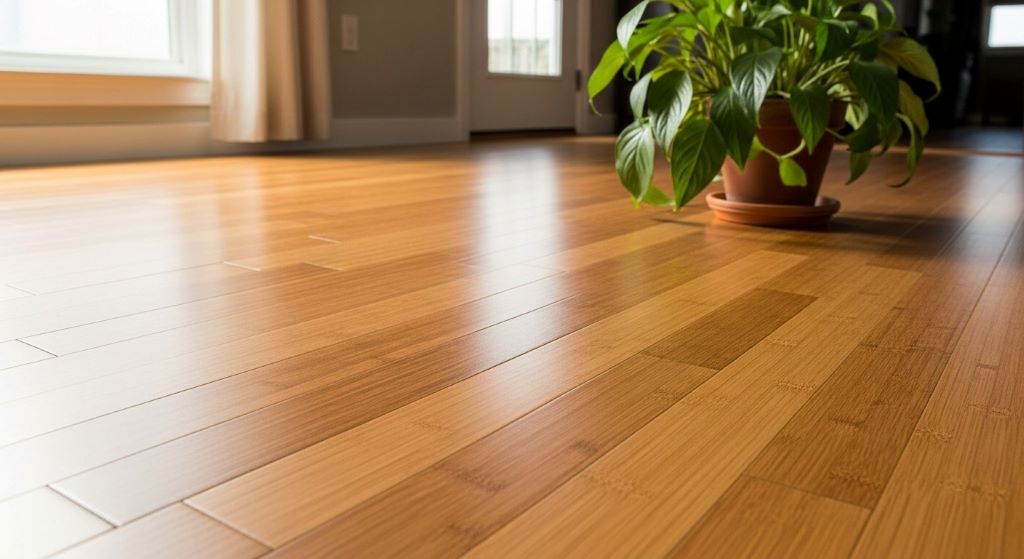
Bamboo technically grows as grass rather than hardwood, regenerating in just three to five years. This rapid growth makes bamboo exceptionally sustainable compared to traditional hardwoods requiring decades. Strand-woven bamboo offers hardness exceeding many hardwood species.
Quality bamboo flooring contains minimal adhesives when properly manufactured. Look for products using formaldehyde-free adhesives certified by reputable organizations. Additionally, bamboo naturally resists moisture and insects without chemical treatments.
Installation methods mirror hardwood flooring techniques. Floating, nail-down, or glue-down options accommodate different subfloor conditions. However, floating installations with click-lock systems eliminate adhesive needs entirely.
Verify bamboo sourcing from sustainably managed forests. Certifications like FSC ensure responsible harvesting practices. Moreover, domestic processing reduces transportation emissions compared to imported products.
Cork Flooring for Natural Air Purification
Cork harvesting removes only bark from cork oak trees without harming the living tree. Trees regenerate bark every nine years, making cork infinitely renewable. This harvesting process actually improves tree health and carbon sequestration.
Natural cork contains suberin, a waxy substance providing antimicrobial properties. This natural resistance prevents mold and mildew growth without chemical treatments. Therefore, cork flooring actively improves indoor air quality rather than degrading it.
Cork’s cellular structure traps air, creating natural insulation and sound dampening. This cushioned surface feels comfortable underfoot while reducing heating and cooling costs. Additionally, cork naturally repels dust mites and other allergens.
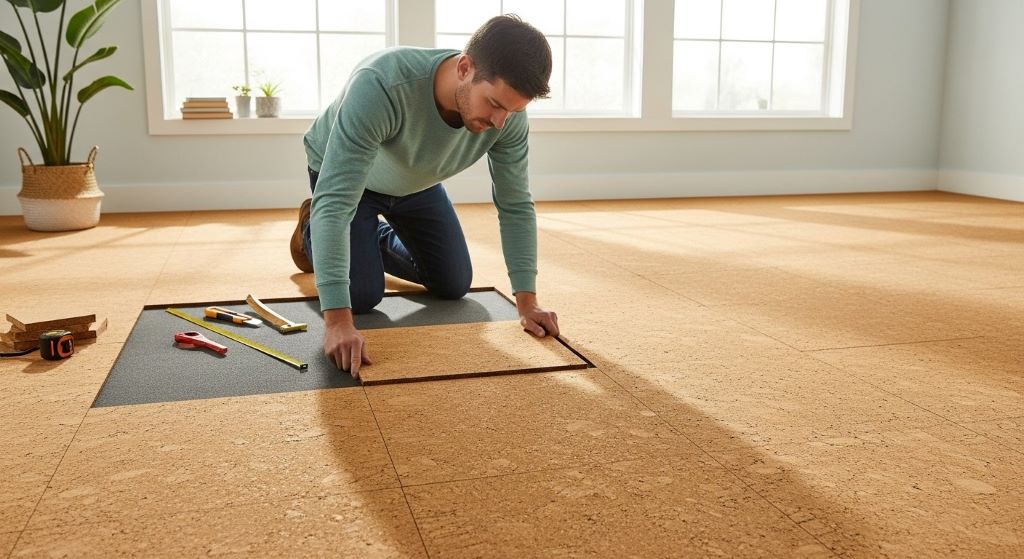
Modern cork tiles install with low-VOC adhesives or floating click-lock systems. Water-based polyurethane finishes protect cork surfaces without releasing harmful chemicals. Some manufacturers offer pre-finished cork requiring zero on-site finishing.
Natural Linoleum Made from Renewable Materials
True linoleum differs completely from vinyl flooring despite common confusion. Linoleum consists of linseed oil, cork dust, wood flour, and natural resins. These biodegradable ingredients contain no petroleum products or harmful chemicals.
Manufacturing processes compress natural materials onto jute backing. This production creates durable flooring lasting 25 to 40 years with proper maintenance. Moreover, linoleum naturally inhibits bacterial growth through linseed oil’s antimicrobial properties.
Linoleum requires no toxic sealers or chemical treatments after installation. The material maintains its appearance through integral color extending throughout thickness. Surface scratches can be buffed out without complete replacement.
Installation uses low-VOC adhesives specifically formulated for natural linoleum. Some click-together systems eliminate adhesive requirements completely. However, professional installation ensures proper seam sealing preventing moisture infiltration.
Concrete Flooring with Low-Impact Finishes
Polished concrete eliminates needs for additional flooring materials entirely. Grinding and polishing existing concrete slabs creates attractive, durable surfaces. This approach produces zero waste and requires no manufacturing emissions.
Concrete naturally contains no VOCs or organic materials supporting mold growth. Proper sealing protects surfaces while maintaining healthy indoor air. Water-based concrete stains and sealers provide color without toxic fumes.
Radiant heating systems integrate perfectly with concrete flooring. This combination eliminates dust circulation from forced-air systems. Additionally, concrete’s thermal mass stabilizes indoor temperatures naturally.
Decorative options include acid staining, scoring patterns, and aggregate exposure. These techniques create unique appearances rivaling traditional flooring aesthetics. Therefore, concrete offers both health benefits and design flexibility.
Natural Stone Tile for Chemical-Free Flooring
Slate, marble, travertine, and granite contain zero synthetic materials or chemical additives. Quarried stone undergoes cutting and polishing without chemical processing. This natural composition eliminates VOC emissions completely.
Stone flooring provides exceptional durability lasting centuries with minimal maintenance. The material resists moisture, stains, and wear better than most alternatives. Moreover, stone never harbors allergens, dust mites, or mold when properly installed.
Installation requires thin-set mortar and grout, both available in low-VOC formulations. Modern mortars cure without releasing harmful fumes. Additionally, grout sealers now come in water-based, non-toxic versions.
Stone’s thermal mass regulates indoor temperatures naturally. Cool surfaces in summer and warmth retention in winter reduce HVAC demands. This energy efficiency complements stone’s environmental benefits.
According to The Washington Post, natural materials like stone and hardwood consistently rank among the healthiest flooring choices for indoor air quality.
Reclaimed and Recycled Flooring Materials
Salvaged flooring prevents waste while eliminating new manufacturing emissions. Old-growth wood from demolished buildings offers quality unavailable in modern lumber. Additionally, reclaimed materials contain no fresh chemical treatments.
Recycled rubber flooring repurposes tires and industrial rubber products. Manufacturing processes remove contaminants, creating clean, durable surfaces. These floors suit mudrooms, gyms, and high-traffic areas perfectly.
Recycled glass tiles combine sustainability with stunning aesthetics. Crushed glass mixed with concrete creates colorful, durable surfaces. Installation methods mirror traditional tile, using standard low-VOC adhesives.
Reclaimed brick and terra cotta provide rustic charm with zero environmental impact. These materials require only cleaning before installation. Moreover, their proven durability ensures decades of continued service.
Certification Labels and Standards to Seek
FloorScore certification indicates products meeting strict VOC emission standards. This independent testing verifies low chemical off-gassing. Therefore, FloorScore labels provide reliable health assurances.
GreenGuard Gold certification sets even stricter limits on chemical emissions. Products passing these tests suit schools and healthcare facilities. Additionally, GreenGuard considers emissions affecting vulnerable populations like children.
Forest Stewardship Council certification ensures sustainable forest management. FSC-labeled wood products come from responsibly harvested sources. This certification addresses environmental impact beyond indoor air quality.
Cradle to Cradle certification evaluates entire product lifecycles. This comprehensive assessment considers material health, recyclability, and manufacturing impacts. Consequently, C2C certification represents holistic environmental responsibility.
Installation Methods That Minimize Air Pollution
Floating floor installations eliminate adhesive requirements completely. Click-lock systems mechanically join planks without glues. This method suits bamboo, engineered wood, and cork flooring perfectly.
Nail-down installation uses mechanical fasteners rather than chemicals. This traditional method works for solid hardwood and bamboo. Moreover, removing floors later produces no adhesive residue concerns.
When adhesives prove necessary, select products with zero VOC ratings. Water-based adhesives cure without releasing harmful fumes. Additionally, ensure adequate ventilation during and after installation.
Schedule installation during mild weather allowing extended ventilation periods. Open windows and use fans to exhaust any residual odors. Therefore, temporary inconvenience prevents long-term air quality issues.
Maintenance Practices for Healthier Floors
Regular sweeping and vacuuming removes particulates before they circulate through air. HEPA filter vacuums capture microscopic particles effectively. This simple practice dramatically improves indoor air quality.
Use natural cleaning products free from harsh chemicals. Vinegar solutions, castile soap, and water clean most flooring types safely. Additionally, these alternatives eliminate chemical residue buildup.
Avoid waxes and polishes containing petroleum distillates. Natural products using plant-based ingredients maintain finishes without toxic fumes. Moreover, many eco-friendly floors require minimal maintenance products.
Address spills immediately preventing moisture infiltration and mold growth. Proper maintenance extends flooring lifespan while protecting air quality. Therefore, care practices complement material selection importance.
Conclusion
Eco-friendly flooring options significantly reduce indoor air pollution while providing beautiful, durable surfaces. Solid hardwood, bamboo, cork, natural linoleum, concrete, and stone offer excellent alternatives to conventional materials. These choices eliminate VOC emissions, resist allergen accumulation, and support sustainable manufacturing practices. Additionally, proper installation methods and maintenance practices maximize health benefits. Certification labels like FloorScore and GreenGuard help identify genuinely safe products. Therefore, investing in eco-friendly flooring creates healthier home environments for families while protecting the broader environment. The combination of improved air quality, durability, and sustainability makes these options wise long-term investments.
Frequently Asked Questions
What is the healthiest flooring option for people with allergies?
Solid hardwood, bamboo, and polished concrete rank as healthiest options for allergy sufferers. These hard surfaces trap no allergens and clean easily with simple sweeping. Additionally, they contain no fibers harboring dust mites like carpeting does.
Does bamboo flooring release harmful chemicals into the air?
Quality bamboo flooring using formaldehyde-free adhesives releases minimal to no harmful chemicals. Look for FloorScore or GreenGuard certifications ensuring low VOC emissions. However, cheaply manufactured bamboo may contain problematic adhesives, so verification matters.
How long does new flooring off-gas chemicals?
Off-gassing duration varies by material and quality. Low-VOC certified products typically off-gas for days to weeks, while conventional materials may emit chemicals for months or years. Proper ventilation during installation and curing periods minimizes exposure.
Is cork flooring durable enough for high-traffic areas?
Yes, properly finished cork flooring withstands high-traffic areas effectively. Its natural resilience allows compression and recovery without permanent damage. Commercial-grade cork performs well in schools, offices, and retail spaces when correctly installed and maintained.
Can I install eco-friendly flooring over existing floors?
Many eco-friendly options install over existing floors with proper preparation. Floating bamboo, cork, and engineered hardwood work over most stable subfloors. However, concrete and stone typically require removal of existing materials for proper installation.
Related Topics:
Eco-Friendly Energy Options for Small and Medium Businesses: A Complete Guide to Sustainable Power Solutions
Eco-Friendly Small Businesses: Sustainable Practices for a Greener Future