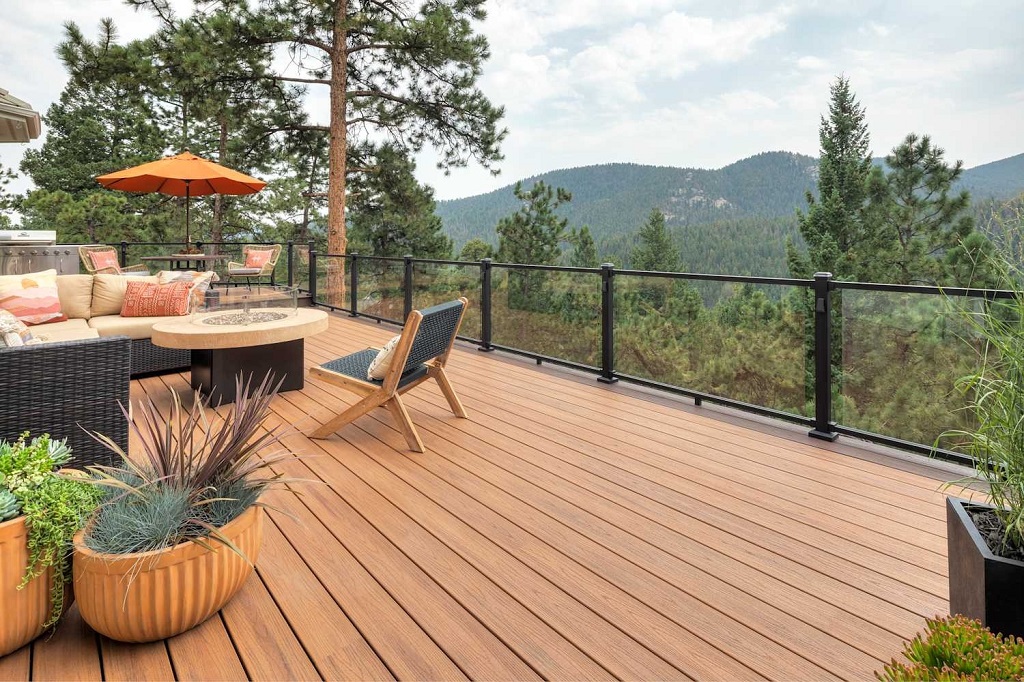
Imagine stepping onto your backyard deck after a long day. The sun warms the boards underfoot. Kids laugh as they chase fireflies. You sip coffee and watch the sunset. But what if that deck fights climate change while staying strong for decades? That’s the promise of recycled plastic lumber for decking. It turns everyday waste into a sturdy, beautiful space you love.
This material starts with discarded items like milk jugs and shopping bags. Manufacturers melt them down and mold them into planks that mimic wood. No trees cut. No rot worries. Just smart reuse. Recent data backs this up. The U.S. Environmental Protection Agency notes that Americans toss over 35 million tons of plastic yearly. Only 9% gets recycled. Recycled plastic lumber grabs that waste and keeps it out of landfills. Meanwhile, Trex reports saving more than 1 billion pounds of plastic and wood from dumps each year through their products. A 2024 American Chemical Society study even shows new composites storing more CO2 than they produce, cutting global warming effects. These facts show real impact. Let’s dive deeper into why this choice transforms your outdoor living.
What Is Recycled Plastic Lumber for Decking?
Recycled plastic lumber for decking is a smart swap for old-school wood. Builders create it from post-consumer plastics. Think HDPE from bottles or LDPE from bags. They blend these with reclaimed wood fibers in some cases. The mix forms solid boards that handle weather like a champ. Unlike pure plastic, this lumber often includes sawdust for a wood-like feel. But it skips the splinters and stains. Brands like TimberTech use up to 85% recycled content. You get planks in 5/4×6 sizes, just like treated pine. They come in colors from gray to teak tones. The process starts at recycling plants. Workers sort plastics by type. Machines shred them into flakes. Heat melts the flakes into a gooey mass. Extruders push it through molds to shape boards. Cooling sets the form. Add UV protectors for sun resistance. The result? Planks ready for your backyard. This isn’t new tech. EPA-funded projects since the 1990s tested reinforced versions for piers and bridges. Today, it powers boardwalks and patios worldwide. One key perk: it stays cool in summer. Wood scorches feet at 120°F. Plastic variants hit just 90°F, per 2024 durability tests. Users love the natural grain patterns. They look real but feel smoother. And since it’s molded, no two boards match exactly. This adds charm without the upkeep.
Environmental Benefits of Recycled Plastic Lumber
Your deck shapes the planet. Recycled plastic lumber for decking cuts harm at every step. It diverts waste from oceans and dumps. A single 300-square-foot deck uses 140,000 plastic bags, says Trex data. That’s a beach clean-up in board form. Production skips virgin plastic. This saves oil drilling. A University of Tennessee study found softwood lumber beats pure plastic on carbon, but recycled blends win overall. They store CO2 longer than wood, which rots and releases it. Lifecycle assessments prove it. TimberTech’s 2024 report shows their PVC line has 60% less global warming potential than ipe over 50 years. No chemicals leach into soil like treated wood’s arsenic.
- Waste Reduction: Keeps 40 trash bags out per 15×15 deck.
- No Deforestation: Saves trees for carbon sinks.
- Energy Savings: Uses 80% less water than wood milling.
In marine spots, it shines. A 1998 Bronx pier study found recycled planks leach fewer toxins than CCA-treated wood. Fish swim safer. Birds nest worry-free. Global stats impress. The wood-plastic market hits $7.9 billion in 2024, growing 9.3% yearly to 2034. Demand surges as folks pick green builds. Your deck joins that wave.
Durability and Performance: Why It Outlasts Wood
Recycled plastic lumber for decking laughs at weather. Rain? No warp. Sun? No fade. Bugs? No entry. EPA tests show it resists rot and insects better than pine. In 2024 trials, boards held up after 2,000 freeze-thaw cycles. Wood cracks at 500. Flexural strength hits 500 psi, matching codes for residential spans. Heat expansion matters. Plastic grows 0.5% in summer. Space gaps 1/8 inch per foot to avoid buckles. Wood shrinks instead. Maintenance? Wipe with soap. No sanding. A 2025 review notes 50-year lifespans versus wood’s 10-15.
- UV Resistance: Caps block 99% rays.
- Load Bearing: Supports 100 psf live loads.
- Slip Resistance: Grooved sides grip wet feet.
Real talk: It dents under hammers but bounces back. Unlike wood, no termite feasts.
Comparing Recycled Plastic Lumber to Traditional Wood Decking
Wood decks charm with grain and scent. But they demand work. Recycled plastic lumber for decking flips that script. Wood pros: Natural feel, easy cuts. Cons: Splinters, annual seals, chemical treatments. Plastic pros: Zero upkeep, eco-sourced, cool touch. Cons: Higher upfront, less “real” vibe.
| Feature | Recycled Plastic Lumber | Traditional Wood |
| Lifespan | 25-50 years | 10-20 years |
| Maintenance | Wash yearly | Stain/seal annually |
| Eco Impact | Recycles waste, low CO2 | Harvests trees, high emissions |
| Cost Over Time | Low (no repairs) | High (frequent fixes) |
| Resistance | Rot, bugs, fade-proof | Needs treatments |
Data from 2025 reports: Composites use 62.7% market share in building. Wood fades fast in humidity. Plastic holds color. Choose plastic for busy families. Wood for purists with time.
Installation Guide: Step-by-Step for Success
 Image Source Install recycled plastic lumber for decking like a pro. Tools mirror wood jobs: saw, drill, level. But mind expansion.
Step 1: Plan and Prep
Measure your space. Sketch layout. Check local codes for joist spacing—12 inches on center max. Clear ground. Add gravel base for drainage.
Step 2: Build the Frame
Use treated lumber joists. Or go full plastic for wet areas. Secure posts in concrete. Level beams. Space 16 inches apart.
Step 3: Cut and Lay Boards
Pre-drill holes 3/4 inch wide for screws. Cut with carbide blade— it dulls slower. Start at edges. Leave 1/4-inch gaps.
- Snap chalk line for straight runs.
- Screw with stainless 3-inch fasteners. Countersink heads.
- Stagger seams like bricks.
Step 4: Add Rails and Finish
Install hidden clips for clean looks. Or face-screw for strength. Trim edges with plastic fascia. Common pitfalls: Skip gaps, boards buckle. Over-tighten, cracks form. Test level often. Time estimate: DIY a 200-square-foot deck in weekends. Pros finish faster.
Design Ideas and Real-World Case Studies
Spark creativity with recycled plastic lumber for decking. Blend it into multi-level patios. Add curves for modern flow. Case Study 1: Bronx Tiffany Street Pier. Built in 1996 with 700 tons of recycled plastic. It leaches zero heavy metals versus wood’s arsenic. Stands strong after 25 years, per ScienceDirect. Locals enjoy toxin-free views. Case Study 2: Trex’s NexTrex Challenge. Schools collect film waste. A 2024 drop diverted 377 million pounds. One Virginia deck from it hosts community BBQs, saving 1,500 lbs landfill. Case Study 3: TimberTech’s AZEK Facility. Recycles thredUP bags into decks. A 2024 Ohio install cut 40 bags per average deck. Homeowners report zero fade after storms. Ideas:
- Coastal Retreat: Gray boards with white rails. Resists salt spray.
- Family Hub: Grooved for safety. Built-in benches from scraps.
- Zen Garden: Teak tones around a fire pit. Low water needs.
Mix with plants. Native flowers thrive nearby, boosting pollinators.
Maintenance Tips to Keep It Looking New
Your recycled plastic lumber deck stays fresh with ease. Hose it quarterly. Scrub mildew with vinegar mix. Avoid: Harsh chemicals. They etch surfaces. Skip power washers over 1,500 psi. Seasonal checks: Tighten loose screws. Clear debris. In winter, sweep snow gently. Pro tip: UV caps protect color. Reapply if needed? Rarely. Most hold 25 years. Owners share stories: One Florida family skipped seals since 2015. Deck gleams.
Conclusion
Recycled plastic lumber for decking blends smarts with style. It slashes waste, stands tough, and simplifies life. From EPA stats to pier successes, proof stacks high. You get a space that nurtures family and nature. Ready to build? Source boards from trusted makers. Sketch your dream. Call a local installer today. Transform waste into wonder. Your backyard awaits. Related Topics: Fix Roof Leak Under Solar Panels
FAQs
What Makes Recycled Plastic Lumber Eco-Friendly for Decks?
It reuses post-consumer waste, cutting landfill plastic by millions of pounds yearly. Production emits less CO2 than wood harvesting and avoids tree loss.
How Does Recycled Plastic Lumber Compare to Composite Decking?
Both use recycled plastic, but pure lumber skips wood fibers for full recyclability. Composites add fibers for wood feel but complicate end-life reuse.
Can I Install Recycled Plastic Lumber Decking Myself?
Yes, with basic tools. Pre-drill for expansion. Follow 12-inch joist spacing. Guides from brands like Kedel make it straightforward.
Is Recycled Plastic Lumber Safe for Kids and Pets?
Absolutely. No splinters, chemicals, or rot. Grooved surfaces prevent slips. It’s cooler than wood in heat.
How Long Does a Recycled Plastic Lumber Deck Last?
Expect 25-50 years with minimal care. Tests show it withstands UV, moisture, and loads better than pine. Related Topics: Build a Porch Roof With Bamboo
References
- U.S. EPA. Innovative Approaches to Enhance the Structural Performance of Recycled Plastic Lumber (RPL). https://cfpub.epa.gov/ncer_abstracts/index.cfm/fuseaction/display.highlight/abstract/1340
- Trex Company. Eco-Friendly, Recycled Plastic Decking. https://www.trex.com/why-trex/eco-friendly-decking/
- American Chemical Society. New composite decking could reduce global warming effects. https://www.acs.org/pressroom/presspacs/2024/march/new-composite-decking-could-reduce-global-warming-effects-of-building-materials.html
- TimberTech. Sustainability: Sustainable Deck Materials. https://www.timbertech.com/about/sustainability/